Roller Adhesion
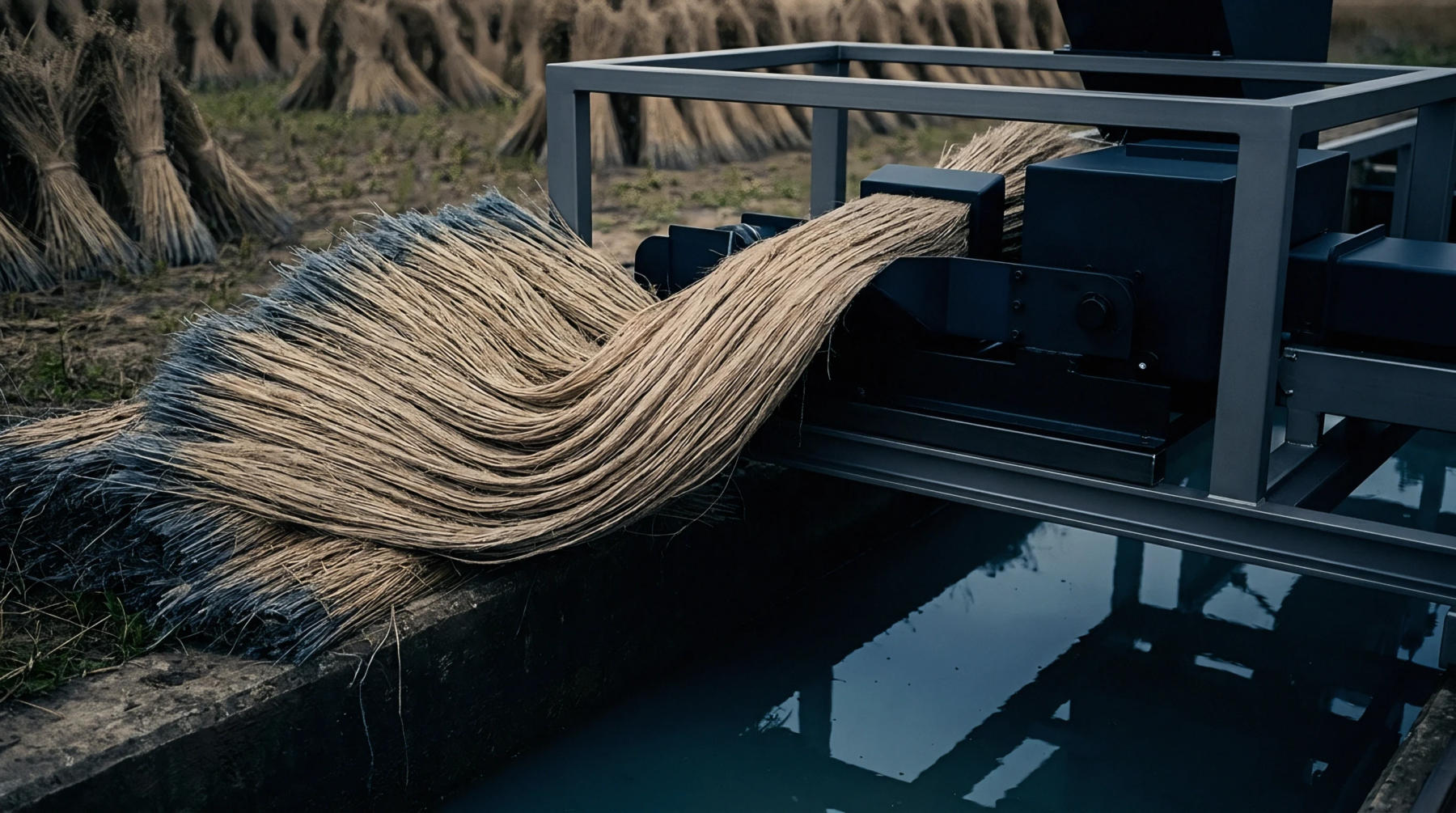
Flax fibres accumulate on the drafting cylinders during the spinning process when moisture levels exceed standard thresholds. Fluted roller lapping occurs as these fibrous deposits wrap around the rollers instead of progressing to the next stage of the yarn path. Excess humidity in the spinning room causes the pectin within the flax to become sticky, which forces the fibres to bind to the metal surfaces.
Mechanical clearing systems often fail to remove these layers once they achieve sufficient density to resist the wiping blades.
Production Fault
Operators identify the blockage when the output yarn shows significant count variations or frequent snap points. The accumulated material exerts uneven pressure on the drafting zone, which prevents the rollers from maintaining a constant nip. This physical mismatch ruins the uniformity of the final linen yarn by introducing thick spots and unintended neps.
Quality control records classify the event as a mechanical failure that necessitates immediate stoppage of the spinning frame. Maintenance staff must remove the build up manually to restore the intended pressure profile.
Cleaning Protocol
Preventive measures rely on precise regulation of the spinning room environment to keep the fibre surface below the tackiness threshold. Technicians adjust the roller coating materials to minimize the surface energy available for fibre attachment. Proper maintenance of the fluted edges helps reduce the mechanical anchoring of the flax mass against the cylinder.
Efficient thermal management keeps the lubricant and the surrounding air at levels that discourage the build up of gummy residue. Frequent inspection cycles prevent the formation of hardened deposits that damage the delicate drafting components over time.