Structural Balance
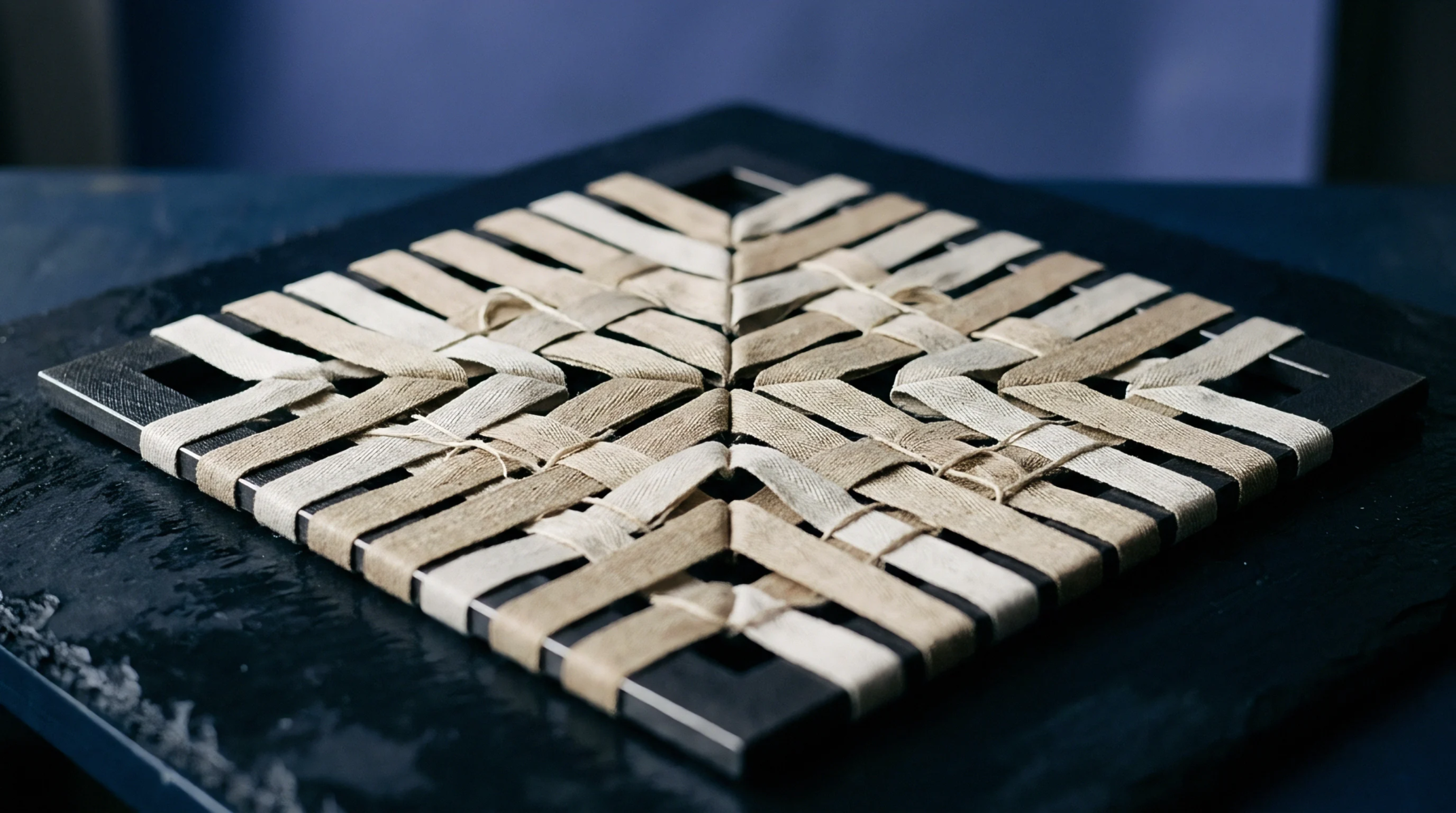
Determining the maximum distance a warp or weft yarn can run without interlacing maintains fabric stability while maximizing surface luster. Through float length optimization, weavers calculate the precise weave structure required for linen yarns to balance the smooth hand of long floats with the snag resistance of tight bindings. This calculation is done before yarn preparation.
The chosen pattern dictates the structural integrity of the fabric.
Friction Impact
Surface friction and yarn movement increase when the distance between interlacings is too great, making the cloth susceptible to distortion during washing. By applying float length optimization, the designer limits the maximum float to a specific number of threads, ensuring that the heavy linen yarns are held securely in the matrix. Excessive float lengths result in poor abrasion resistance.
This boundary varies by yarn count.
Process Limit
Loom stoppages occur when long, loose yarns catch on the moving parts of the weaving machinery during high-speed insertion. To avoid this, float length optimization requires the integration of small binding points into the pattern, preventing the yarns from lifting too far off the surface of the fell during beat-up. This is particularly important for coarse linen yarns, which possess high bending stiffness and a natural tendency to curl or loop if they are not bound tightly into the warp sheet, which can lead to broken threads, fabric defects and uneven tension across the weaving beam that ultimately slows down the entire mill operation.