Stress Mechanics
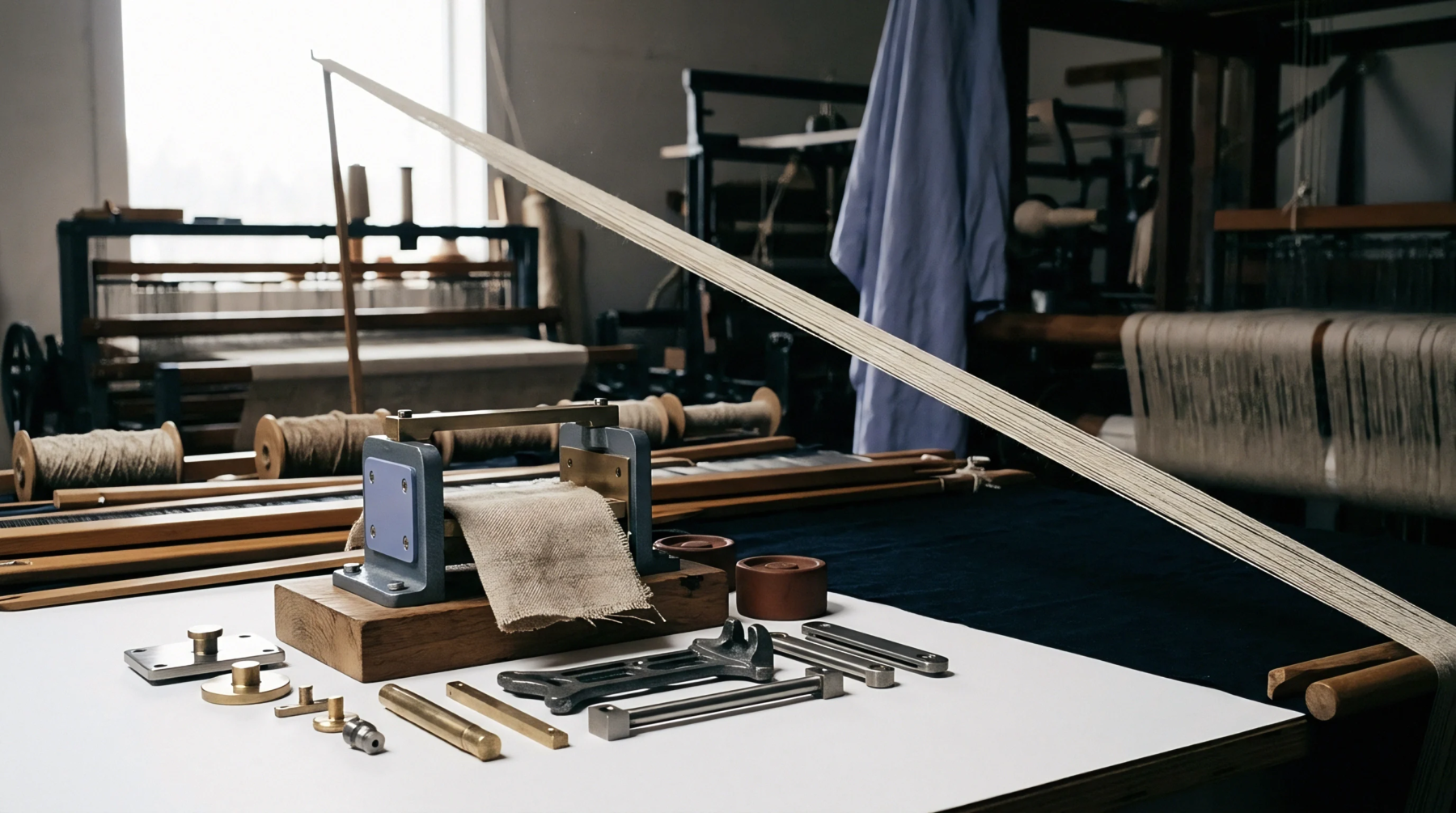
Structural degradation emerges during cyclic deformation within textile manufacturing plants processing flax fibers into commercial linen. Flexural fatigue measures the gradual loss of tensile strength occurring when yarn bundles undergo repeated bending cycles across the high speed guide rollers situated inside spinning frames. Unwoven flax filaments possess high rigidity coupled with low elastic recovery, rendering the fibrous matrix susceptible to micro-fracture accumulation along individual cell walls during repeated mechanical deflection.
Testing laboratories quantify this mechanical property by recording the total number of bending reversals sustained prior to complete filament rupture under a standardized pretension load.
Operational Parameters
Operating conditions dictate the rate of structural failure inside wet spinning baths and dry drafting zones where friction coefficients fluctuate alongside ambient relative humidity. Operators regulate traveler speeds and ring frame tensions to minimize localized bending stresses that accelerate premature filament breakage before the yarn reaches the final winding drums. Lowering tension levels reduces the severity of angular deflection, whereas elevated speeds shorten the operational lifespan of high modulus bast fibers passing through the drafting rollers.
Durability Evaluation
Quality control protocols record baseline tenacity figures before subjecting conditioned yarn samples to cyclic bending apparatuses housed within accredited inspection facilities. Mill supervisors compare residual breaking loads against buyer acceptance thresholds specified in export contracts governing finished woven linen fabrics destined for apparel markets. Exceeding maximum allowable degradation limits triggers immediate machinery adjustments to prevent wholesale lot rejections upon final warehouse audit.