Mechanical Separation
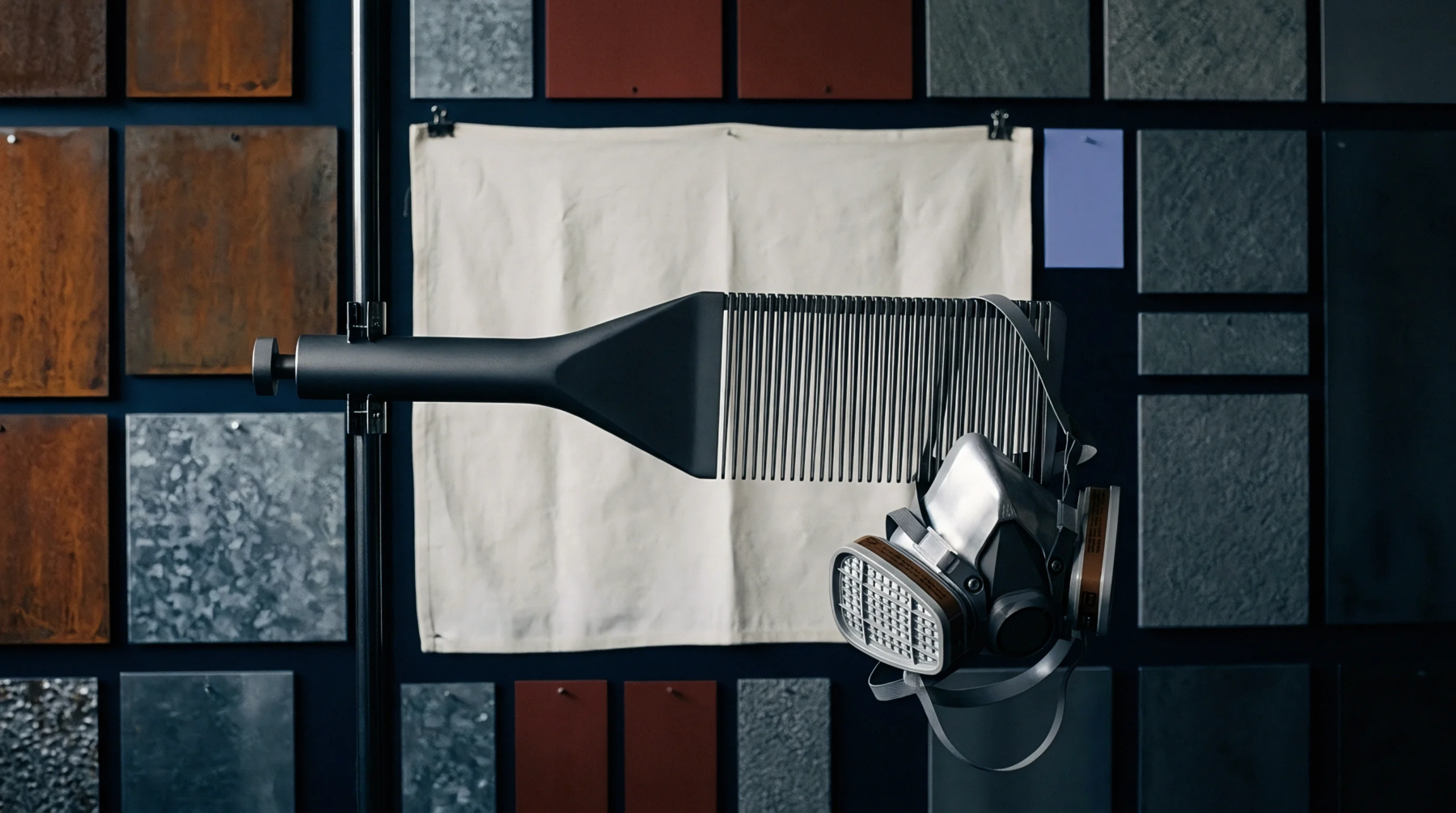
High-impact dividing actions split cohesive botanical bundles along longitudinal lamella boundaries to isolate finer spinning units. Mechanical processing lines induce fiber cleavage during industrial scutching, hackling and wet combing. Revolving pinned rollers and intermeshing comb pins exert tensile and transverse loads that overcome the inter-cellular pectin bonds holding technical bundles together.
The splitting action reduces bundle diameter while retaining maximum individual filament length. The resulting division yields thin, flexible strands suitable for high-count yarn spinning.
Hackling Yield
Preparatory sorting within linen mills governs the conversion efficiency from raw scutched flax into hackled line sliver. Progressive hackling machines apply twenty to thirty graduated pin fields to divide raw bundles down to fine counts. As bundle separation progresses, fiber cleavage increases specific surface area, allowing chemical spinning aids and drafting lubricants to penetrate evenly.
In wet spinning preparation, warm water roving baths soften residual middle lamella pectins, facilitating clean bundle cleavage inside the drafting zone without snapping underlying ultimate fibres. Efficient mechanical cleavage determines line yield percentages and minimizes short tow formation on comb beds.
Cohesion Limit
Bundle division cannot proceed beyond the physical boundary of the single biological ultimate without destroying structural integrity. Excessive pinning force or improper moisture conditioning causes transverse fractures rather than clean longitudinal separation. Over-cleaved flax degrades into weak, broken fibrils that fail under yarn drafting tension.
Controlled fiber cleavage stops when technical bundles reach the target count required for the specified yarn number.