Directional Parallelism
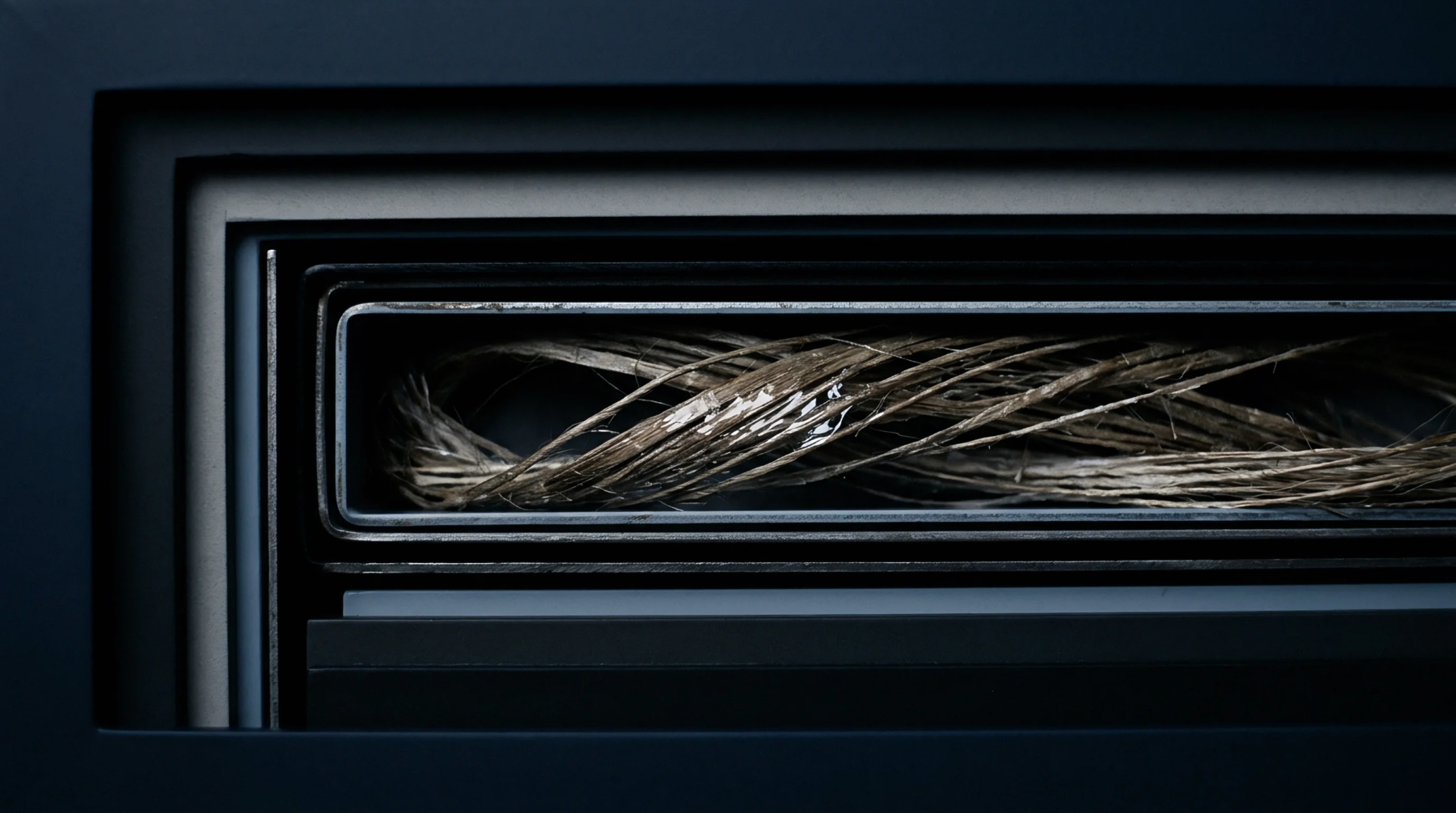
Natural bast plant strands maintain structural integrity when fiber alignment remains consistent along the longitudinal axis of the yarn. This specific orientation allows for maximum tensile load distribution during the drawing and roving phases of linen production. Irregularity in the positioning of these cells results in localized stress points that cause breakage on the spinning frame.
Achieving high standards requires controlled passage through the drafting rollers to ensure that individual plant cells lay parallel to one another. Uniformity in the internal arrangement of the strands dictates the final breaking strength of the raw yarn.
Acceptance Protocol
Mill inspectors record the orientation of raw material during the initial combing stage to establish a baseline for the bale. The quality control document for every shipment lists the expected variation in cell orientation measured against the supplier standard. Buyer specifications often require a minimum percentage of parallel cells to ensure predictable performance during subsequent wet spinning.
Discrepancies between the mill grade and the contract requirement lead to automatic penalties or the rejection of the specific lot. Testing involves microscopic examination of small samples to confirm that the mechanical process did not twist or tangle the material during transit through the machines.
Processing Impact
Finishing operations rely on this stable internal configuration to prevent uneven dye absorption throughout the final woven cloth. A material that lacks structural order resists uniform liquid penetration, creating visible streaks across the surface of the fabric. Mills verify the success of the mechanical arrangement before moving the supply into the high speed weaving zone where tension fluctuates rapidly.
Proper orientation reduces the friction encountered during the transition from the bobbin to the shuttle. Correct cellular orientation provides the foundation for the durability of linen products.