Fibre Degradation
Uncontrolled biodegradation of the pectin layer binding flax fibres to the woody stem occurs when the application of specific biological catalysts is allowed to proceed past the point of optimal separation. This condition of enzymatic over-retting weakens the structural integrity of the individual cellulosic strands by initiating the digestion of the secondary cell walls. The resulting flax is brittle and registers poor yields during subsequent mechanical carding and drafting.
Biochemical Mechanism
Excessive exposure to pectinases and cellulases degrades both the target gummy materials and the structural hemicellulose of the linen fibres. Industrial retting tanks must be closely monitored for temperature and acidity to prevent these enzymes from attacking the cellulose core. If the reaction is not arrested by thermal deactivation or washing, the fiber bundle collapses under minimal stress.
Structural Impact
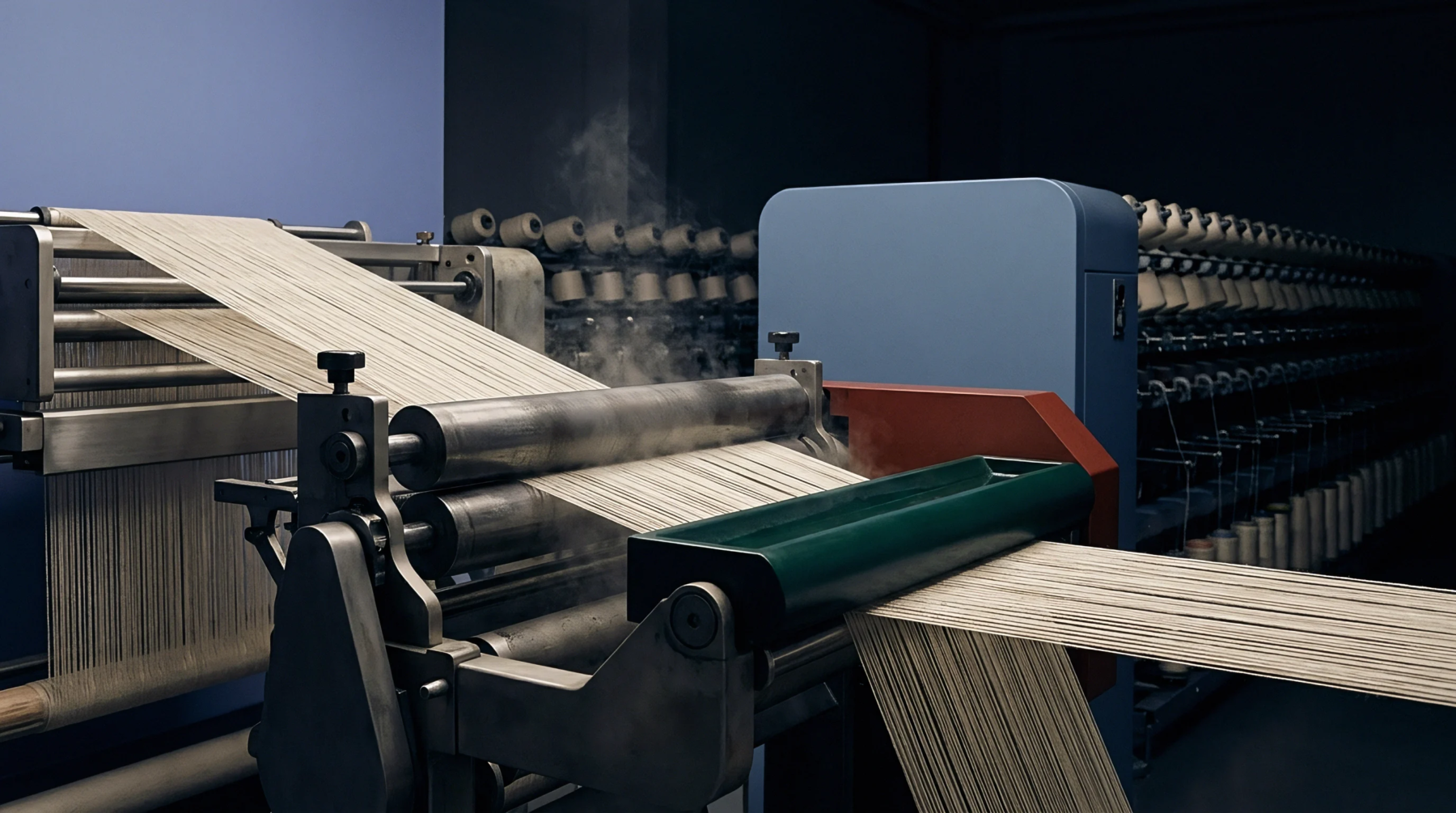
Splitting and fragmenting of the yarn occur during wet spinning when mills process material that has undergone enzymatic over-retting. Spinners observe an increase in fly waste and frequent breaks on the frame, which are recorded in the daily mill efficiency log. Corrective measures involve blending the damaged material with stronger flax batches to maintain minimum processing standards.
This blending protects the fabric mill from receiving yarn that would fail under the high warp tensions of modern looms. In many cases, the final fabric produced from such degraded fibre exhibits uneven dye absorption and reduced wear resistance, leading to rejection by the buyer.