Breaking Resistance
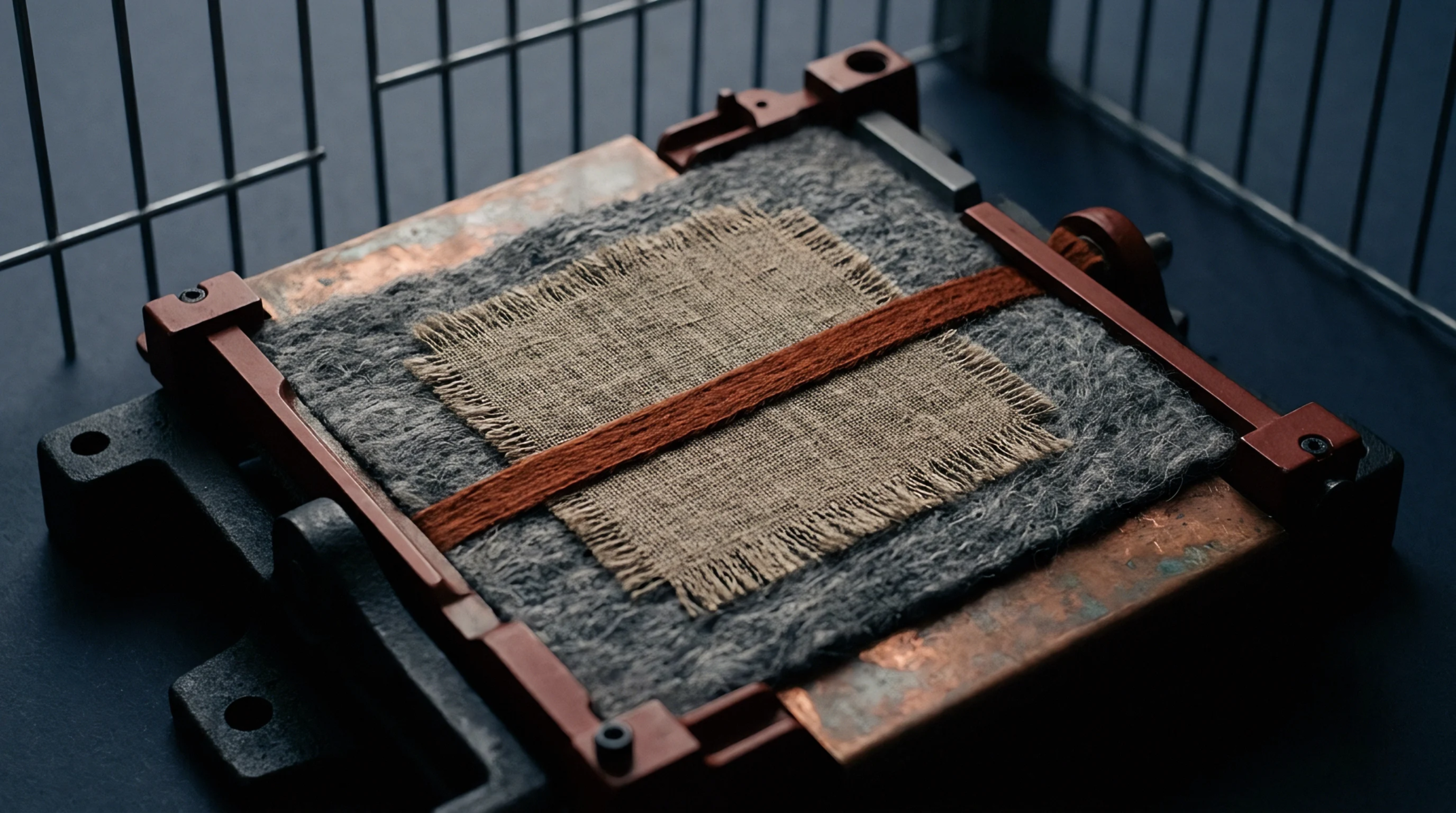
Maximum force required to fracture an individual flax plant unit defines this measurement. The elementary fiber tensile strength characterizes the load capacity of a single cellulose cell once isolated from the vascular bundle of the stem. Laboratory technicians calculate this value by clamping a solitary unit across a calibrated dynamometer and applying tension until structural failure occurs.
Such data provides the baseline for assessing the biological quality of raw linen supplies before mechanical decortication begins.
Processing Baseline
Factories perform this evaluation during the initial sorting stage to verify the integrity of the harvest against mill specifications. Precise control of the testing environment ensures that atmospheric moisture does not inflate the recorded break point. Workers record these findings in the technical ledger to determine if the raw material meets the required spinning potential for fine-count yarns.
Producers monitor these figures to adjust the setting of scutching blades and ensure the integrity of the bast remains intact during separation from the woody core. Higher values in the ledger indicate superior plant maturity and lower chemical damage from retting.
Quality Verification
Acceptance protocols for export contracts rely upon this physical data to distinguish premium fibre lots from standard production grades. Auditors compare the reported breaking threshold against the predefined limit established in the purchase agreement. A failure to reach this threshold triggers a reclassification of the stock into a lower-value industrial grade.
Consistent performance across sample sets validates the efficiency of the field cultivation methods employed during the growth cycle. This measure dictates the upper limit of the yarn strength achievable within the spinning mill.