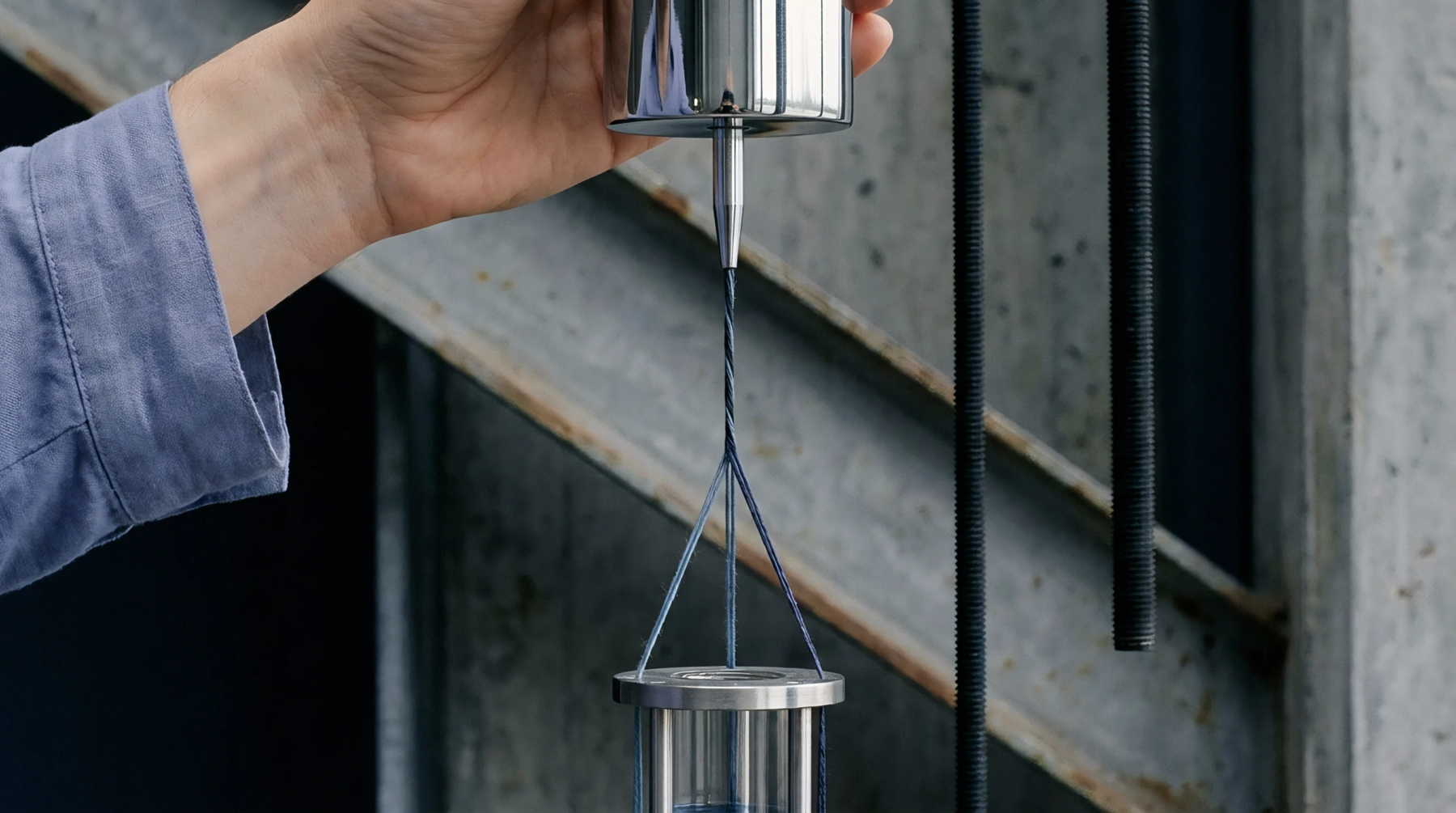
Peak Strain
Loom sensors capture peak forces exerted on warp yarns during the opening and closing phases of the weaving cycle. Measurement of dynamic shed tension isolates transient force spikes that occur at maximum shed opening from static warp tension settings recorded while the loom is stationary. Fluctuations in dynamic shed tension directly alter yarn fatigue when processing bast fibers like flax, which possess limited stretch compared to synthetic filaments or cotton yarns.
Mill technicians log this parameter on production tracking systems to prevent invisible micro-fractures in wet-spun linen warps before fabric reaches the grey inspection table.
Loom Movement
High loom operating speeds amplify peak mechanical forces as harness frames move up and down during high-speed shed formation. When shedding cams or electronic dobby heads accelerate harness frames to maximum stroke, warp yarns undergo rapid cyclic elongation that exceeds static tension levels by up to forty percent. This mechanical strain increases when weaving heavy linen fabrics, where high warp end density and tight reed settings create friction between adjacent threads.
Adjusting shed geometry or altering harness crossover timing lowers force peaks, protecting delicate flax fibers from mechanical degradation and structural damage.
Warp Rupture
Excessive mechanical stress during shed formation causes immediate end breaks and structural defects in high-density linen weaves. Uncontrolled peak tension leads to high loom stop frequencies, reducing weaving room efficiency and increasing labor costs for manual end tying. High tension spikes also create permanent elongation variations in linen warps, causing uneven beat-up resistance and cloth width variation.
Controlling this peak force parameter ensures stable running conditions on rapier and air-jet looms, guaranteeing that grey linen fabric meets buyer specifications for tensile strength and structural uniformity.