Thermal Distribution
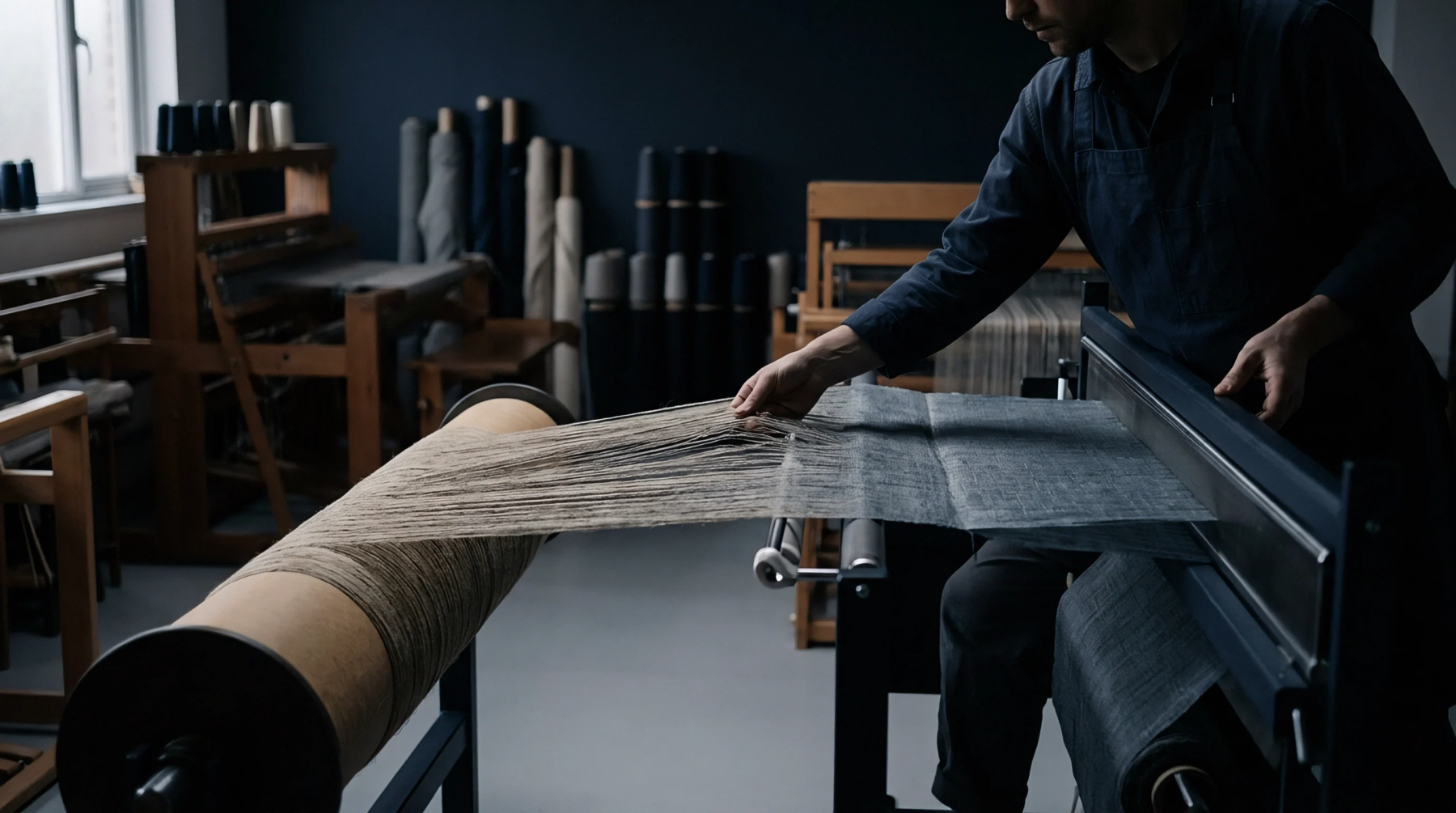
Surface heat intensity across the steam-heated metal rolls determines the final moisture consistency and structural stability of flax-based textile webs during the finishing sequence. A drying cylinder profile maps these temperature gradients relative to the rotational axis to ensure uniform evaporation rates across the width of the fabric. Mechanical adjustments within the steam supply valves control this distribution to prevent uneven shrinkage or localised scorching of the plant fibres.
Sensors mounted near the outer edges of the roller track variations in heat energy transfer and record these deviations in the mill production log. High density fibre bundles require specific thermal parameters that stay consistent across the entire length of the production run. Deviations exceeding the predefined margin trigger a correction in the condensate removal rate to rebalance the thermal energy output.
Consistent surface heat prevents the development of warp tension imbalances that compromise the tensile strength of the finished cloth.
Operational Baseline
Mill engineers calibrate the settings by referencing the incoming fabric moisture content against the required exit dryness level. Each drying cylinder profile follows a specific curve that accounts for the thermal conductivity of wet flax fibres. If the speed of the line increases, the steam pressure rises to maintain the same moisture removal rate.
Proper adjustment of these values stops the occurrence of paper-like brittleness in heavy linen sheets. Consistent pressure keeps the fibres pliable during the drying stage and maintains the integrity of the yarn count. Data gathered during this process provides an audit trail for quality assurance departments.
Calibration Constraint
Standardisation of temperature records allows for comparative analysis between different batches of raw material supplied to the finishing plant. Mills maintain internal records of every drying cylinder profile to verify the reproducibility of the fabric finish against external buyer specifications. Deviations indicate wear in the internal siphon pipes or buildup of mineral deposits on the interior roll walls.
Frequent monitoring maintains the structural health of the textile output. Accurate mapping of heat across the rollers ensures that the fabric retains its natural drape and fibre elasticity for the final garment export.