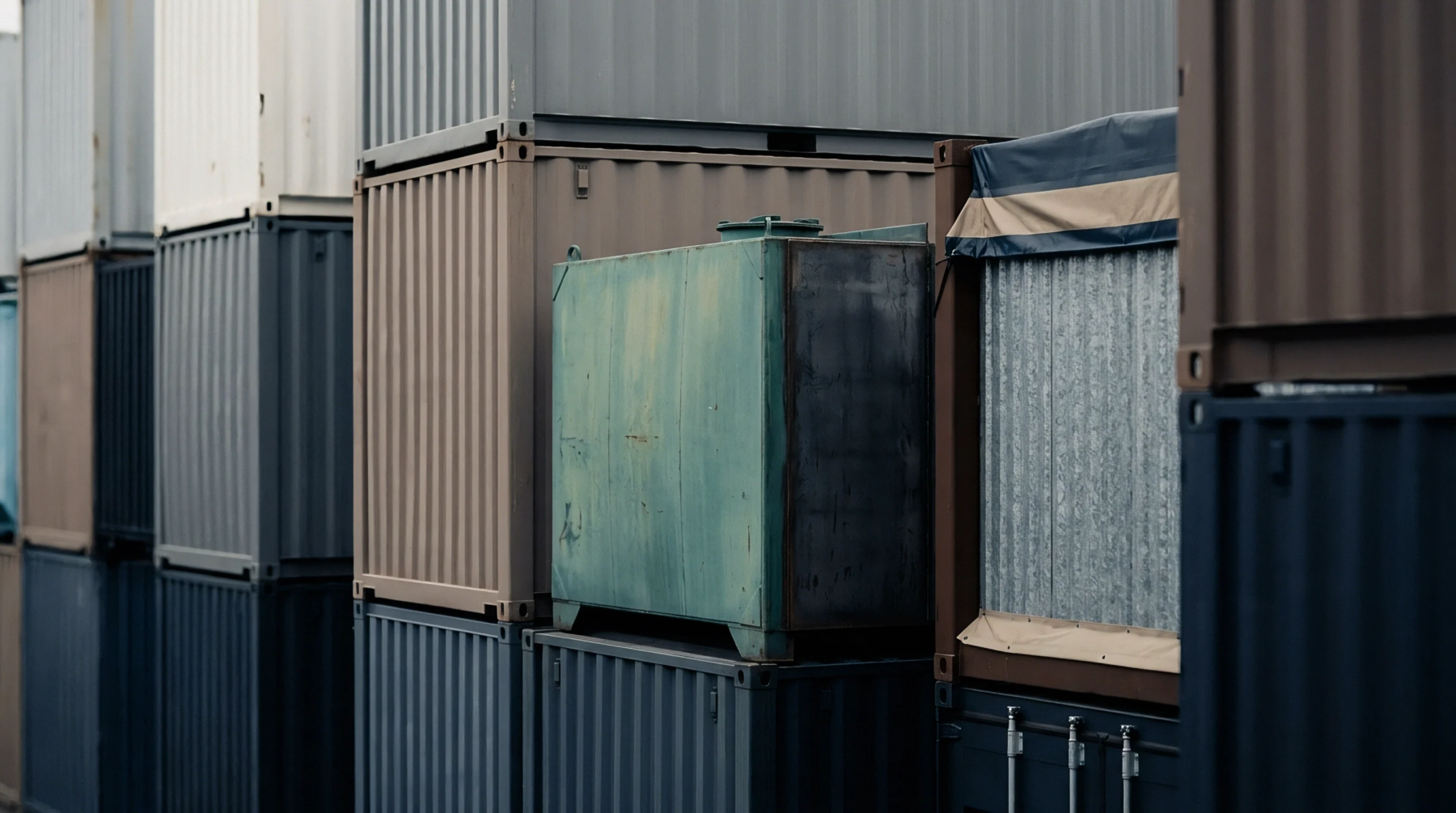
Transport Enclosure
Standardized intermodal freight units enclose packed cargo to protect textile shipments during ocean transit between export hubs and destination ports. Shipping lines assign these rigid steel structures for carrying baled flax fiber and finished linen fabric rolls. A dry van container provides a sealed, unventilated volume designed to guard dry goods against external weather conditions and sea spray during maritime transport.
Export manifests reference container serial numbers to track bill-of-lading consignments from Chinese mills to overseas warehouses.
Moisture Barrier
Desiccants and interior lining papers line the corrugated steel walls to prevent condensation buildup during transit across tropical sea routes. When ambient temperatures fluctuate dramatically, moisture trapped inside raw flax yarn bundles condenses on cold container ceilings and drips onto fabric bolts. Loading protocols for a dry van container require floor moisture readings below twelve percent prior to stuffing cargo bales.
Proper floor preparation mitigates mildew risk without active climate control systems.
Payload Limit
Freight contracts specify maximum allowable gross payload weights based on highway axle limits and port crane capacities. Exceeding floor loading limits in a dry van container causes structural floor timber deflection and risks port authority rejection. Standard loading diagrams limit stack heights for dense linen bales to maintain balanced weight distribution across container floor beams.