Thermal Processing
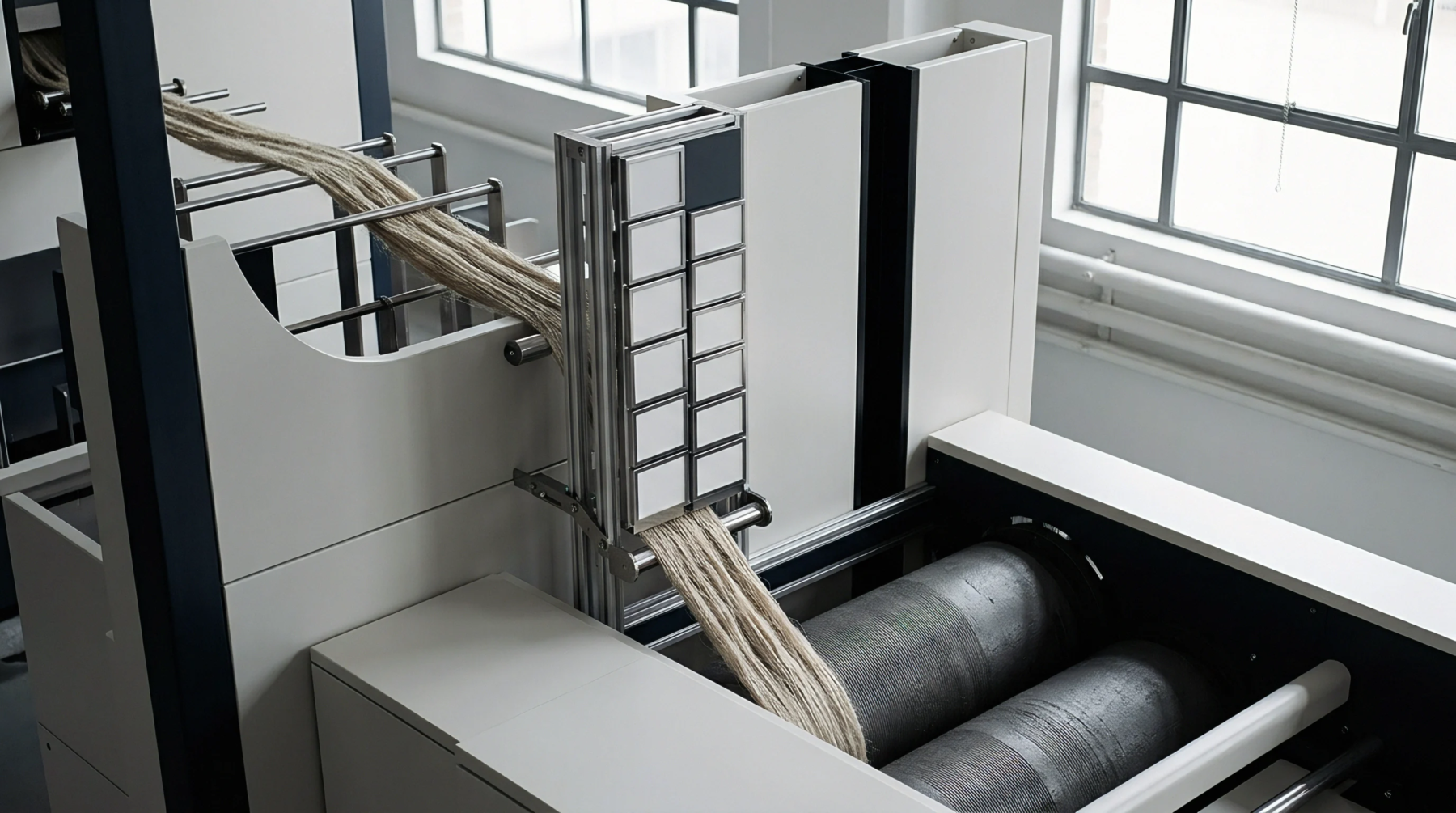
Thermal processing establishes a baseline weight for flax by removing all hygroscopic moisture under controlled laboratory conditions. Adherence to dry fiber oven drying ISO 139 provides a consistent method for calculating the commercial mass of a raw fiber shipment. This protocol removes the variability introduced by atmospheric humidity during transit or storage in the mill warehouse.
Moisture Equilibrium
Samples are placed in a ventilated chamber maintained at a temperature of one hundred and five degrees Celsius until the weight becomes constant. Utilizing dry fiber oven drying ISO 139 ensures that the subsequent calculations for invoice weights are accurate and internationally recognized. The process continues until successive weighings show a difference of less than zero point zero five percent.
Laboratory Requirement
Regulated air circulation prevents the localized accumulation of steam which could interfere with the drying rate of the bast fibers. Precise timing is necessary to avoid the thermal degradation of the cellulose structure. Once the dry mass is confirmed, the official commercial regain percentage is added to determine the final trade weight.
Laboratory technicians record the ambient humidity and temperature of the room to ensure the sample is not re-absorbing moisture during the final weighing step.