Fibre Provenance Ledger
Flax fibre verification begins at the retting yard where harvested stalks are weighed and tested for moisture content before entering the scutching line. Textile trade provenance documentation records the exact geographic origin of the raw harvest, the biological variety of Linum usitatissimum, and the physical parameters of the resulting line fibre. Raw material grading relies on length, tensile strength, and fineness measured in decitex, separating long line fibre from short tow.
Spinning mills receive these graded lots alongside certificates verifying organic cultivation standards or regional certification marks.
Yarn Audit Protocol
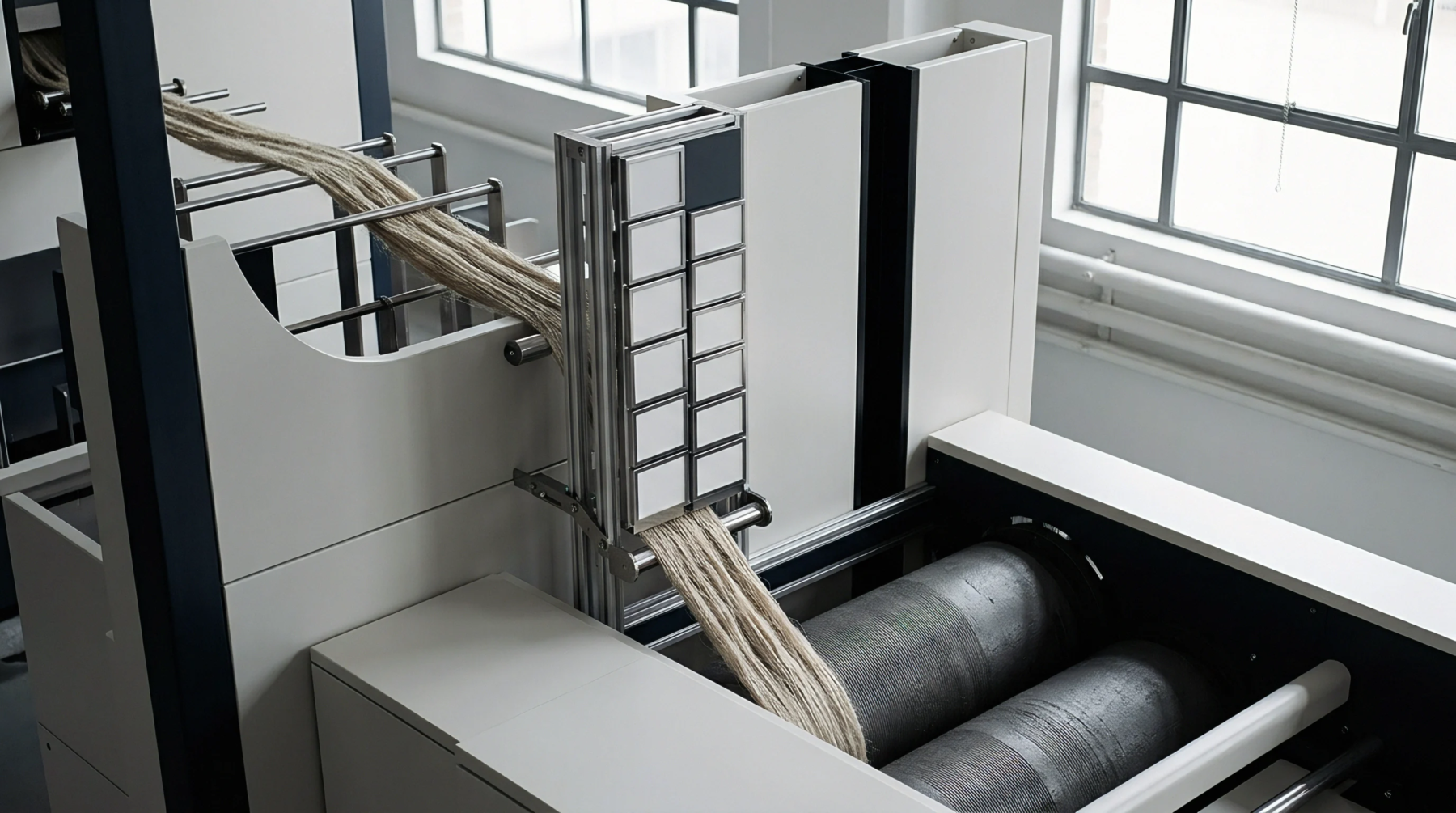
Spinning mills process the verified line fibre into yarn through hackling, drawing, and wet spinning frames where twist per metre is strictly controlled. Yarn provenance records attach batch test results for breaking tenacity, hairiness, and evenness measured on capacitive testers to the primary shipping unit. Fabric production follows on air jet looms where warp and weft densities determine the base greige cloth weight in grams per square metre.
Mill standards regulate internal quality thresholds for breaking load and dimensional stability during wet finishing, while buyer acceptance criteria specify maximum allowable warp and weft defects per hundred square metres.
Export Compliance Standard
Finished linen cloth undergoes final inspection on rolling machines where visual faults are mapped and assigned penalty points according to agreed inspection systems. Export documentation compiles the entire history from farm gate through spinning mill and finishing plant into a single compliance dossier for customs authorities and brand auditors. Regulatory bodies require this audit trail to verify country of origin claims and prevent the substitution of lower cost fibre types into premium flax products.
Final destination customs clearance depends entirely upon the complete physical transfer of these verified records alongside the commercial invoice.