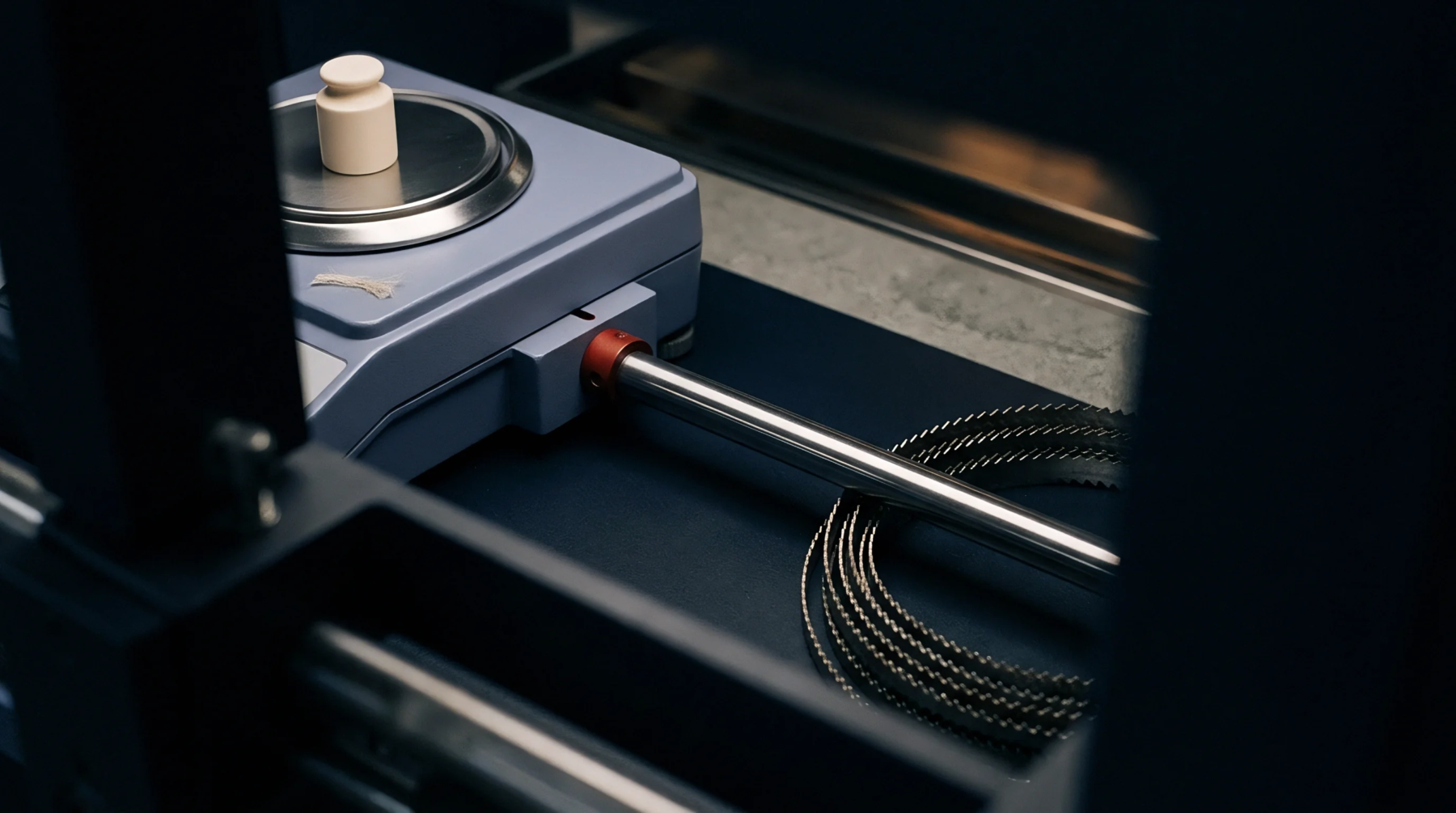
Standardized Mass
Measured in grams per meter, the drawing sliver weight defines the linear density of textile fibre strands after undergoing the carding and drafting operations in Chinese flax processing mills. This specific numeric value provides the primary control metric for ensuring consistency in subsequent roving and spinning stages. Accurate sliver mass ensures that the finished linen yarn adheres to required count specifications and tensile strength parameters requested by buyers.
Technicians verify the mass by weighing a set length of material under controlled humidity conditions, as moisture content significantly alters the fibre density. Variations in the recorded mass mandate immediate adjustments to the drafting rollers to maintain the output standard.
Technical Calibration
Proper production requires that the machinery configuration aligns with the target linear density to prevent irregularity in the downstream yarn structure. The drafting frames pull and align the flax fibres while simultaneously reducing the bulk of the sliver until the desired weight per unit length is achieved. If the sliver measures above the established tolerance, the drafting system increases the speed differential between roller sets to pull the fibres further apart.
Conversely, under-weight sliver requires a reduction in the draft ratio to preserve the volume of material passing through the machine. Quality inspectors document these values in the daily production logs that follow the batch through the mill. These logs act as the master reference for mill management when assessing the mechanical efficiency of the drawing lines during the export preparation cycle.
Control Boundary
Deviation from the nominal sliver mass indicates a failure in the input feed regularity or a mechanical slippage within the drafting zone. Mill standards demand that the sliver weight remains within a narrow deviation range to prevent long-term variance in the final cloth characteristics. While buyers might accept minor fluctuations in fibre grade, inconsistencies in the mass lead to rejected lots due to the inability to meet strict spinning load requirements.
Final assessment rests on the comparison between the mill-recorded mean and the target value defined in the supply contract. Consistent management of this mass remains the sole technical defense against irregular linen yarn diameter.