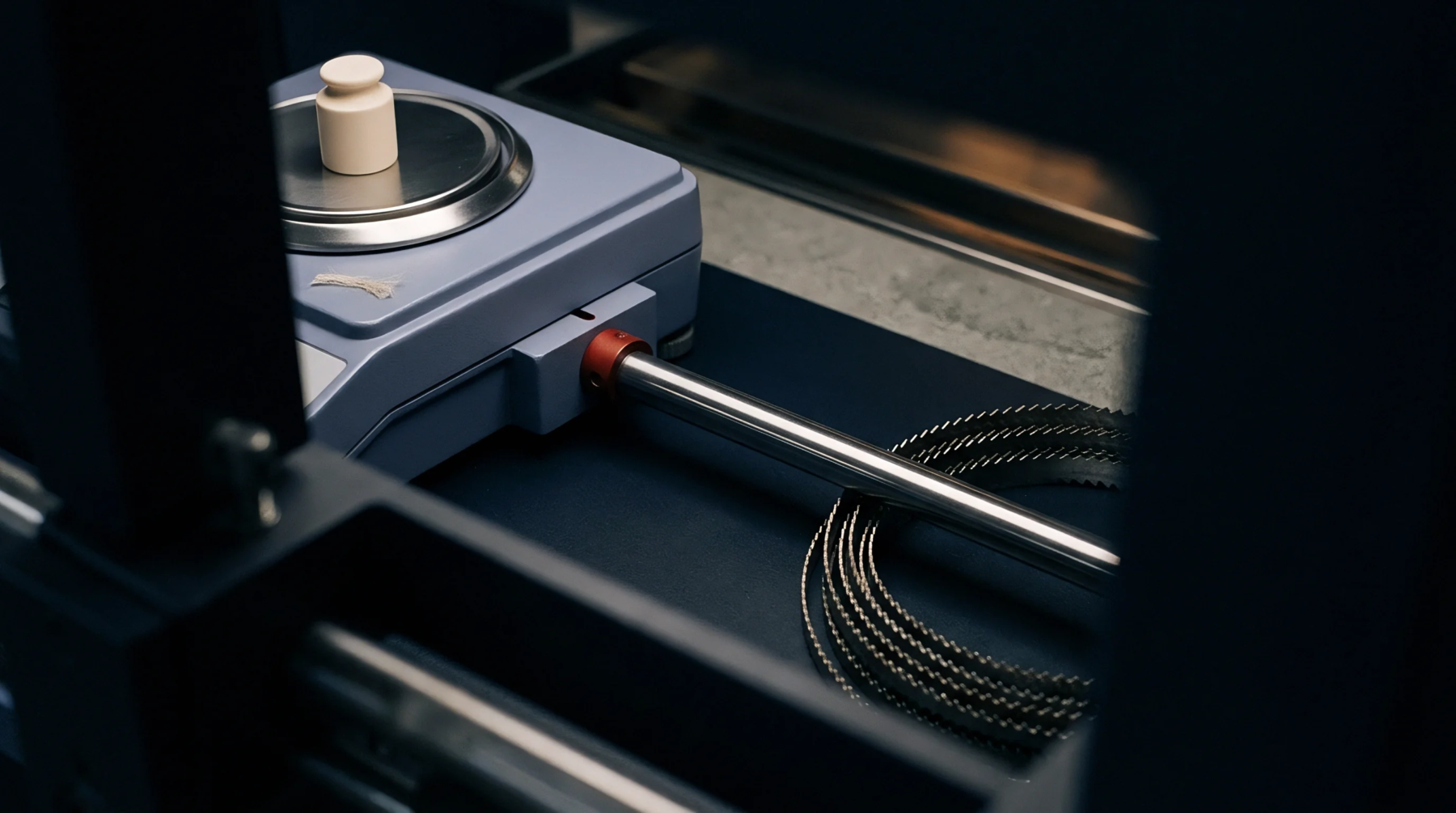
Mechanical Resistance Measurement
Fluctuating tension levels during the high speed extension of flax sliver define the physical consistency of a spinning batch before it reaches the final roving stage. Drafting force variability quantifies these microscopic variations in pull through the roller system, which indicate uneven fibre alignment or irregular density along the length of the strand. Inspectors record these readings in the batch processing logbook to establish a baseline for subsequent mechanical processing.
When the sensors detect instability, mill operators adjust the roller nip pressure to compensate for the friction spikes. This correction prevents the breaking of the strand which occurs if the internal load exceeds the tensile strength of the individual fibres. These adjustments keep the output within the acceptable range defined by the buyer quality agreement.
Operational Variance Protocol
Consistent mechanical behaviour across the drafting zone prevents the creation of weak spots in the yarn that lead to failure during the weaving process. Drafting force variability acts as the primary gauge for fibre maturity and cleanliness, as contaminants or immature flax cause erratic drag against the metal rollers. Managers monitor this data to decide if a batch requires additional combing or if the current speed setting remains safe for the machinery.
A stable result shows that the input material contains uniform lengths and moisture content. If the data shows broad fluctuations, the spinning supervisor isolates the specific creel or feed source to prevent cross contamination. Precision in this metric dictates the efficiency of the spinning frame performance over long production runs.
Production Quality Limit
Buyer acceptance criteria usually specify a maximum allowable threshold for this index to ensure uniform fabric texture in finished linen goods. Drafting force variability informs the final grading of the yarn, with lower deviation scores permitting higher commercial values for the output. Because mills maintain their own internal thresholds for machine maintenance, these factory limits sit tighter than the external commercial mandates.
Excessive deviation leads to the rejection of entire bobbins at the inspection gate before the weaving station starts. Reliable control over this measurement identifies the boundary between premium textile output and waste.