Geometric Adjustment
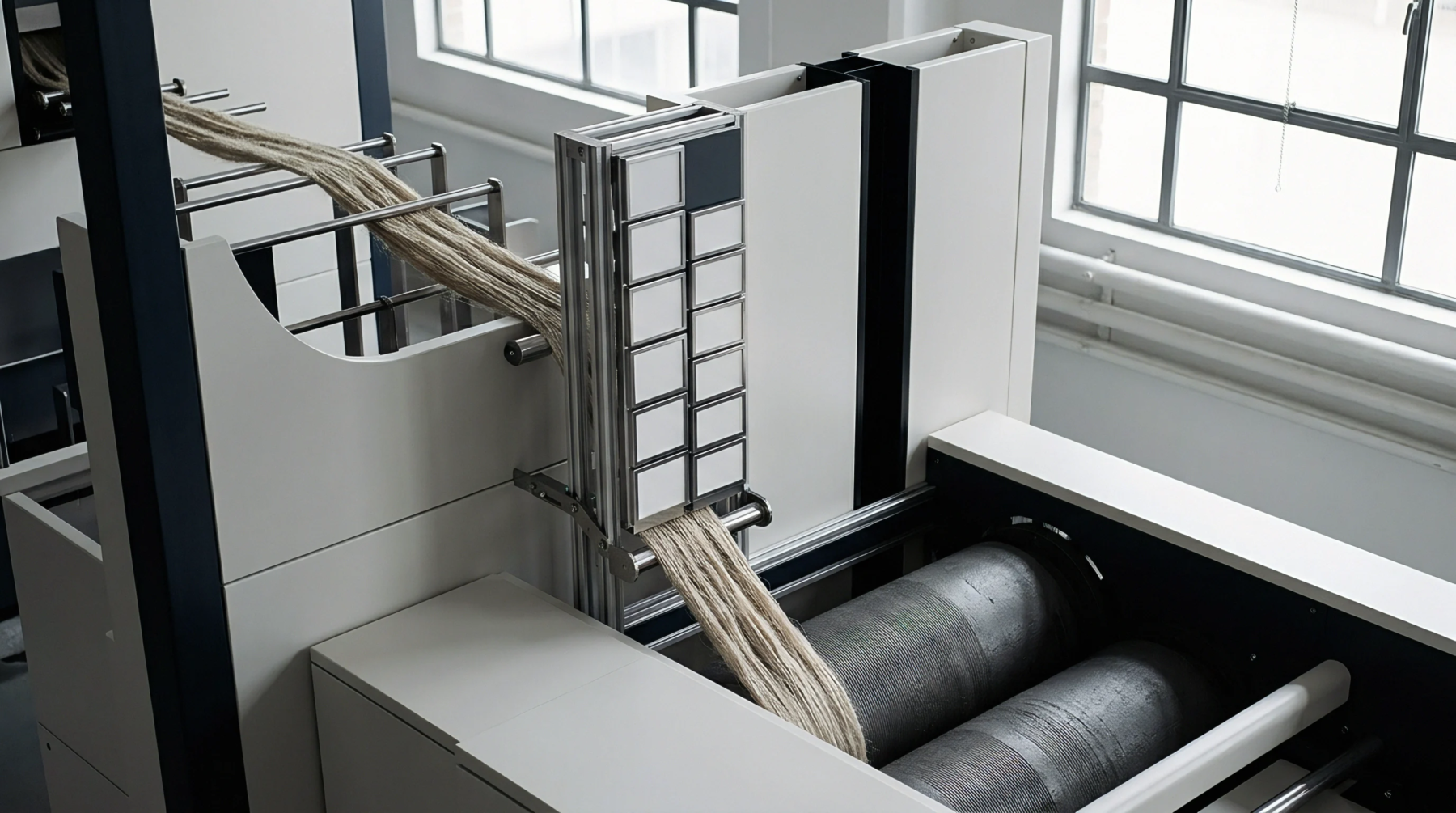
Geometric adjustments account for the reduction in bulk as loose flax fibers are pulled into a tighter arrangement. The draft compaction factor determines the actual length change experienced by the roving during the drawing process relative to the roller speed settings. This coefficient bridges the gap.
Fiber Alignment
Friction between the individual flax filaments causes the material to behave differently than synthetic staples under tension. Use of the draft compaction factor enables spinning technicians to predict the final diameter of the yarn before the first bobbin is completed. If the value is ignored, the resulting yarn often lacks the required tensile strength because the fibers are not sufficiently compressed.
Spinning Calculation
Technicians calculate the value by comparing the linear density of the input sliver with the output roving while accounting for the speed of the front and back rollers. This ratio varies depending on the moisture content of the flax and the surface roughness of the rollers. Proper application of this math prevents uneven patches or slubs in the finished linen fabric.
It is particularly useful when switching between different flax origins which possess varying levels of natural fiber friction. Calculations are verified against physical samples taken at the start of each production shift to maintain consistency across different machine lanes.