Thermal Distribution
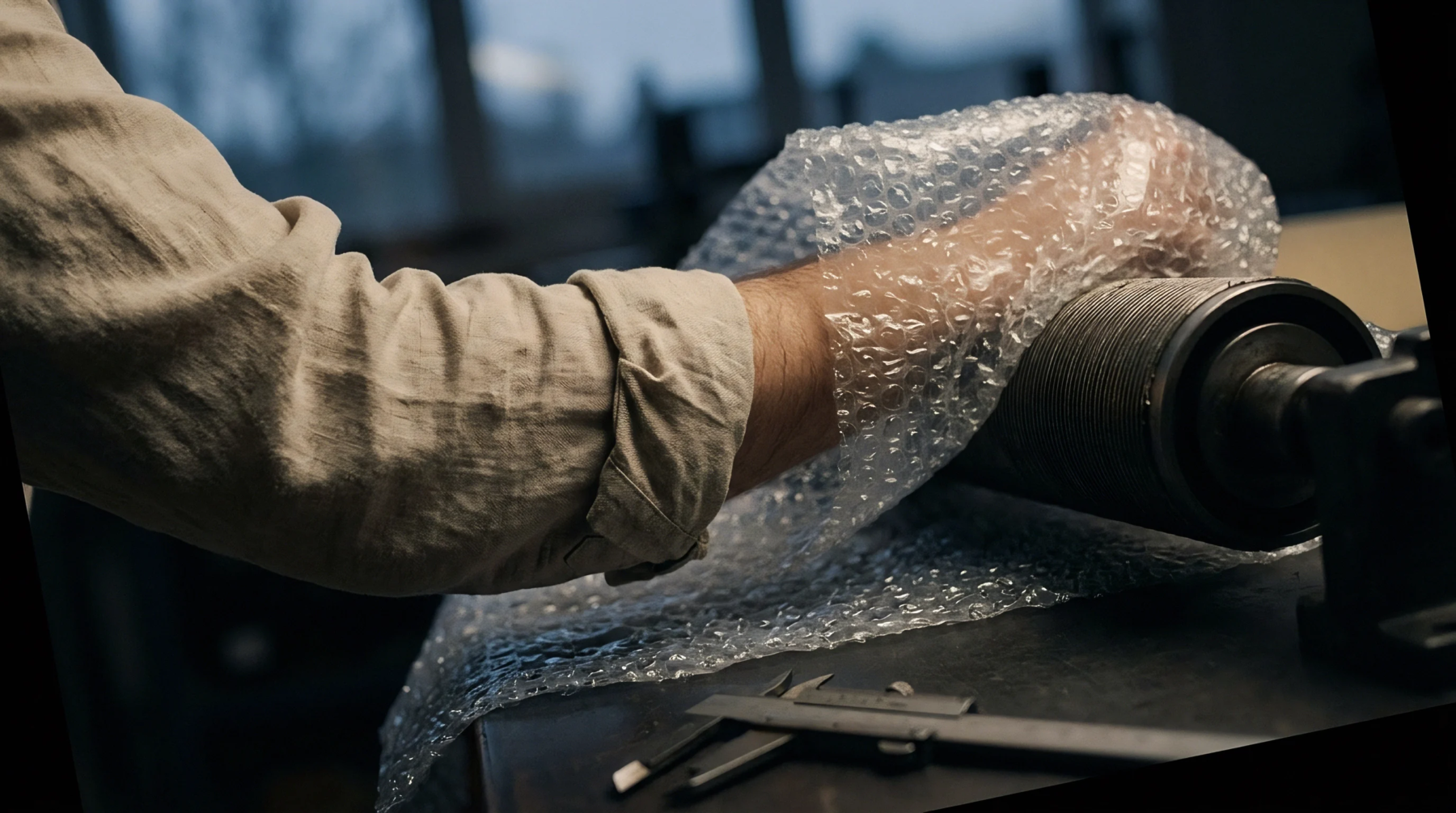
A thermal distribution pattern across the metal surface of drying cans regulates the moisture extraction rate of wet-spun flax yarn during post-spinning drying. The cylinder thermal profile is established by monitoring the surface temperature of multiple steam-heated cylinders in a continuous drying range. If the temperature distribution is uneven, the linen yarn dries inconsistently, leading to structural stiffening or wet spots.
Modern mills use infrared sensors to measure the surface temperature across each rotating drum to ensure uniform heat transfer.
Heat Regulation
Graduated heating prevents the rapid evaporation of water that causes the outer layers of yarn to harden while the core remains damp. The cylinder thermal profile is maintained by adjusting the steam pressure in individual cylinders, starting with moderate heat, peaking in the middle, and tapering off at the exit. This configuration prevents thermal shock and preserves the natural strength of flax fibres.
Quality Effect
Inconsistent heat transfer creates tension spikes during the subsequent winding process. Woven fabrics produced from inconsistently dried yarn show uneven dye absorption because the damaged cell walls of overheated flax fibres cannot bind dyestuffs evenly. Consistent temperature profiles across the cylinders ensure that the final linen fabric achieves a uniform drape and texture.