Fiber Dimensioning
Mechanical cutting of continuous bast ribbons establishes predetermined strand lengths suitable for blending and processing on non-linen spinning equipment. Measured across individual straightened fiber clusters, cut staple length defines the linear dimension imparted by rotary cutters to long scutched flax or bleached tow slivers. Bast fibers intended for short-staple cotton spinning systems or semi-worsted wool lines require precise cutting to match companion fiber lengths.
Industrial cutters feed parallel sliver bands across revolving hardened blades calibrated to slice strands into uniform segments such as thirty-eight millimetres. The staple parameter governs drawing roll settings, card clothing selections, and twist distribution in downstream short-staple production units. Inward processing manifests confirm nominal target lengths alongside cutting blade batch clearances.
Strand Shortening
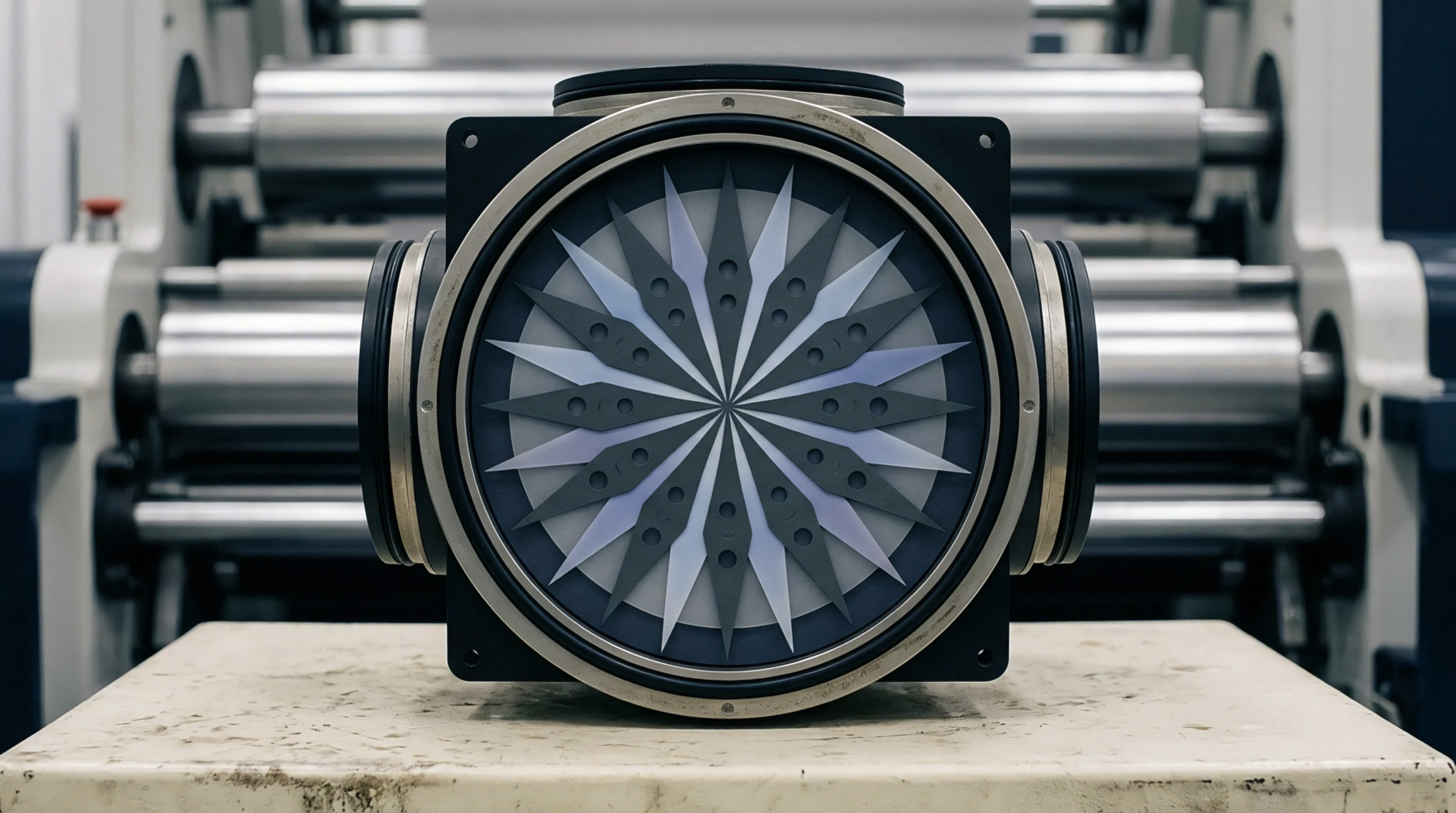
Rotary shearing units convert long bast slivers into short stapled lengths through continuous guillotine or rotary blade passes. Feed aprons deliver dense sliver ribbons under heavy hold-down drums to prevent bundle displacement during cutting strokes. Sharp knife edges cleave the bast bundles perpendicular to the cellulose axis, avoiding crushed ends that cause fiber jams in subsequent blowroom lines.
Cut fibers fall directly into pneumatic transport ducts for drying or blending with carrier fibers like polyester, viscose, or combing cotton. Slivers must enter the cutter uniformly without folded loops to avoid double-length strands. Irregular cut variations cause excessive roller lapping during downstream draw frame passes.
Machine setting records record blade rotational speed, linear feed velocity, and designated target staple values.
Dimension Boundaries
Blade wear produces elongated fiber tails and uncut doubled bundles that disrupt short-staple opening equipment. Strands exceeding the nominal length setting by more than ten percent bypass card flats and wrap around spinning frame drafting rolls. Bundles cut too short generate excessive flat waste and lower final yarn tenacity through loss of frictional contact length.
Fiber cutting must account for subsequent longitudinal splitting during chemical degumming or mechanical carding. Cut bast strands display square edges that slip differently through drafting aprons compared to natural tapered fibers. Staple length comb sorters measure length distributions on cut lots to establish compliance with spinning limits.
Factory quality certificates record upper half mean length and short fiber content percentages. Cotton-system spinning lines reject lots displaying excessive fiber length variation coefficients.