Fibre Origin
Retting quality in flax processing identifies a specific historical standard for premium water-retted stalks originating from the Leie river region. Courtrai flax became a global benchmark during the late nineteenth century because the mineral content and flow rate of that specific river produced a highly uniform fibre separation. Buyers define this material by its superior tensile strength and a distinct golden appearance that survives traditional mechanical breaking.
The classification separates raw product from local dew-retted alternatives through the presence of uniform colour and minimal residual pectin on the stem.
Production Methodology
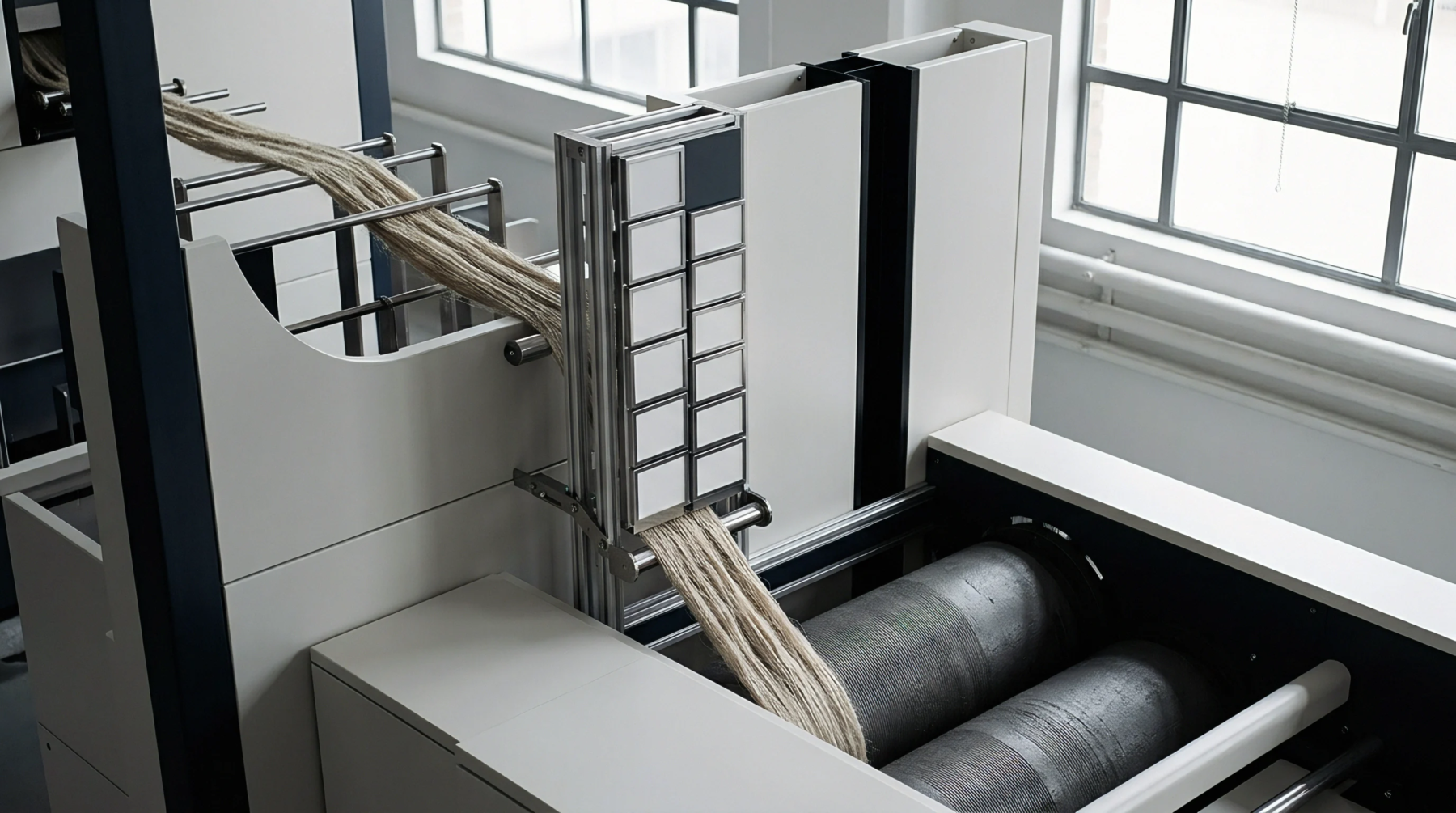
This classification relies upon the chemical interaction between river minerals and the pectin holding the fibre to the plant stalk. Mills in the modern sector use this historical profile to calibrate their own industrial retting tanks when imitating the specific yield characteristics of the original location. Producers monitor the biological breakdown process by measuring the acidity of the water throughout the immersion cycle.
High-grade batches require precise timing because excessive exposure weakens the primary cells, while insufficient exposure leaves hard woody particles that impede later spinning processes. Consistency in the retting phase determines whether the output qualifies for fine-count yarns or remains restricted to coarser textiles.
Acceptance Protocol
Grading laboratories evaluate the quality of processed output by comparing representative samples against the known physical attributes of the origin grade. Technicians verify the cleanliness of the fibre bundle by extracting a sub-sample and observing the remaining shive content through light microscopy. Purchase contracts specify this grade to ensure that the material meets fixed spinning expectations in terms of moisture regain and strand diameter uniformity.
Discrepancies between the delivered lot and the laboratory sample initiate a renegotiation of the contract price based on the potential loss of yarn yield during the heckling stage. Accurate identification of these fibre properties ensures the stability of the long-line spinning supply chain.