Structural Deviation
Unintended thread extensions over consecutive orthogonal yarns represent a structural weave deviation in woven textiles. High-speed rapier and air-jet looms produce continuous floats when warp ends remain unlifted or weft insertion skips designated harness lifts during shed formation. Linen fabrics exhibit heightened susceptibility owing to stiff flax yarn bundles that resist clean shedding.
Laboratory grading under ASTM D3990 isolates length thresholds that distinguish minor float flaws from major fabric rejections on grey cloth inspection rolls.
Mechanism Analysis
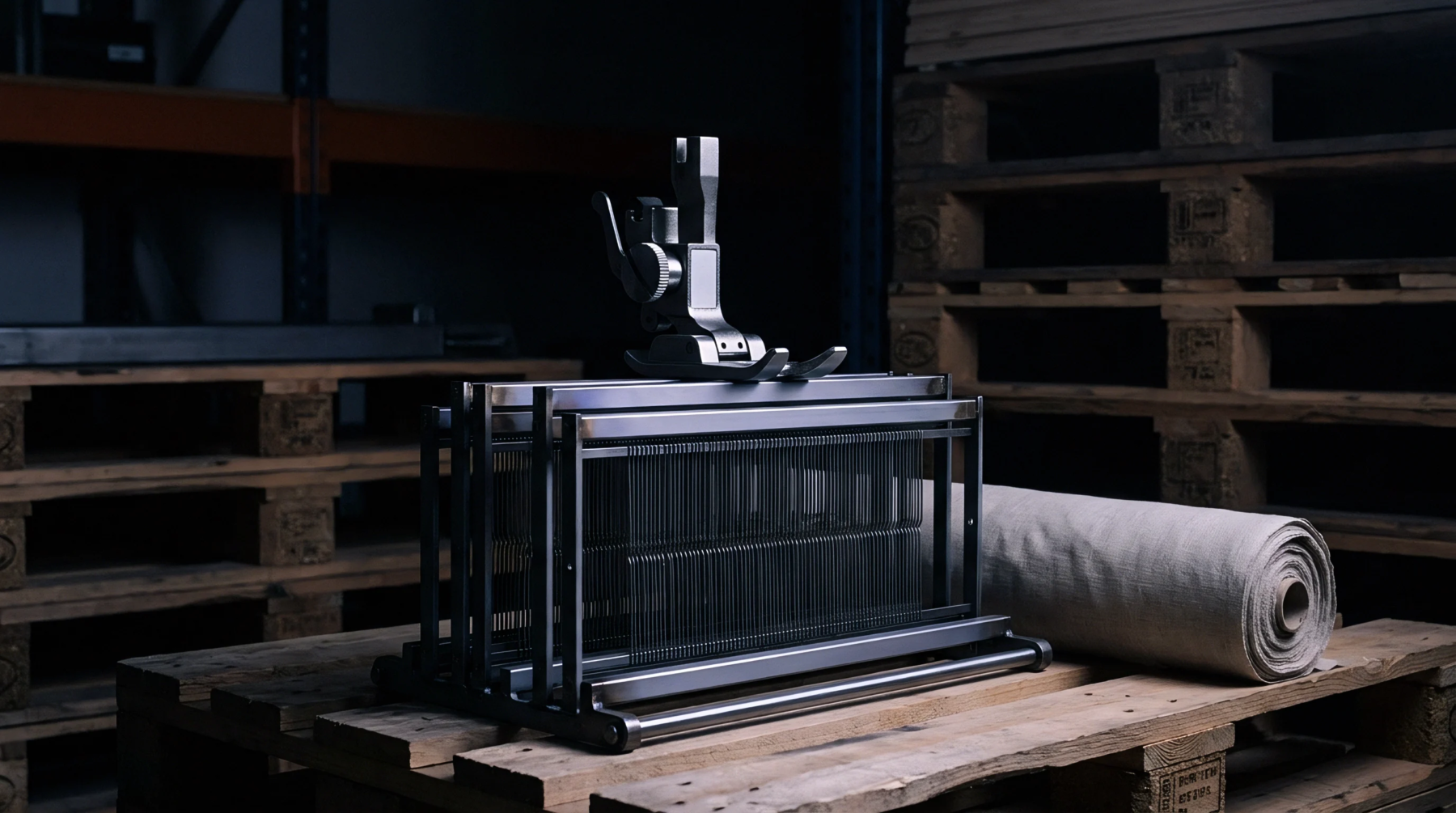
Heddle wire mechanical failure or harness drop wire misalignment alters warp yarn positioning in the reed shed. When a harness frame fails to rise, the warp yarn passes beneath multiple consecutive weft picks without interlacing. Debris accumulation from flax shive particles in the shedding motion also prevents harness frames from completing full vertical travel.
Tension drops across the warp beam exacerbate the occurrence, allowing slack ends to snag adjacent yarns and bridge several pick insertions. Mill technicians rectify these mechanical errors by recalibrating harness lift heights and clearing dust from the warp stop motion assembly. Adjusting the shed timing relative to the reed beat-up point further stabilizes yarn clearance during weaving.
Acceptance Limit
Fabric grading standard FZ/T 13003 sets strict acceptance limits for surface faults in grey linen exports. Manual inspection tables illuminated by overhead diffuse lighting catch uninterrupted yarn floats exceeding three millimeters during high-speed rolling. Buyers reject entire rolls if float frequency surpasses two instances per fifty linear meters of high-density canvas.
Minor float faults under two millimeters undergo manual mending with fine tweezers before wet processing. Bleaching and dyeing mills refuse uncorrected grey fabric lots because loose floating yarns snag on finishing stenter frame pins and cause lateral fabric tears.