Fibre Efficiency
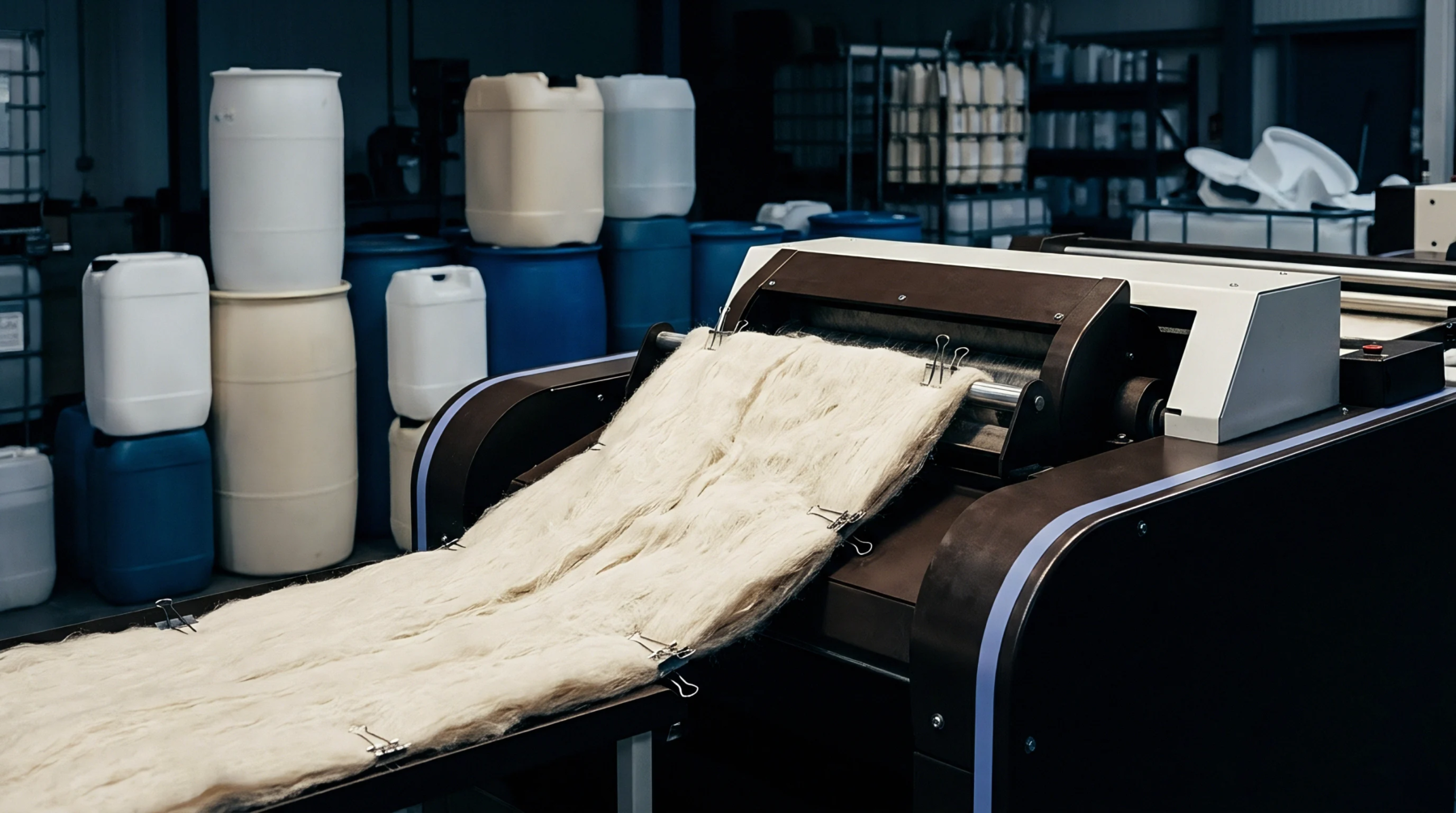
Combing waste factor represents a numerical value used to quantify the ratio of short fibres removed during the combing stage relative to the total mass of the input sliver. This combing waste factor determines the precise yield of long-staple flax suitable for subsequent fine spinning processes. Technicians calculate this ratio by dividing the mass of the noils extracted by the total mass fed into the combing machine.
A low value suggests effective extraction of shorter fibres while preserving the longer ones required for superior linen yarn quality. Variations in raw material maturity and retting consistency directly impact the stability of this metric during high-speed production runs.
Operational Variance
Variations in machine settings influence the quantity of material diverted to the waste stream. Operators adjust the top comb penetration and the detaching roller timing to modify the intensity of the combing action. Higher cleaning demands on lower-quality flax crops necessitate a higher combing waste factor to ensure the final sliver meets structural requirements.
Consistent monitoring prevents the unnecessary loss of spinnable fibres that would otherwise degrade the cost efficiency of the mill. Adjusting this performance indicator remains the primary method for balancing textile output quality against raw material availability.
Commercial Impact
Financial settlements between flax suppliers and spinning mills frequently include clauses contingent upon the verification of this loss ratio. Buyers utilize this data to validate the clean fibre content delivered by the supplier before committing to long-term procurement contracts. Discrepancies in the reported figures trigger laboratory retesting of batch samples to establish the actual percentage of extraction.
Accurate determination of this value protects the economic margin of the spinning mill against poor fibre preparation or unexpected material loss. Proven repeatability of this measurement functions as the technical foundation for quality arbitration in international linen markets.