Production Residue
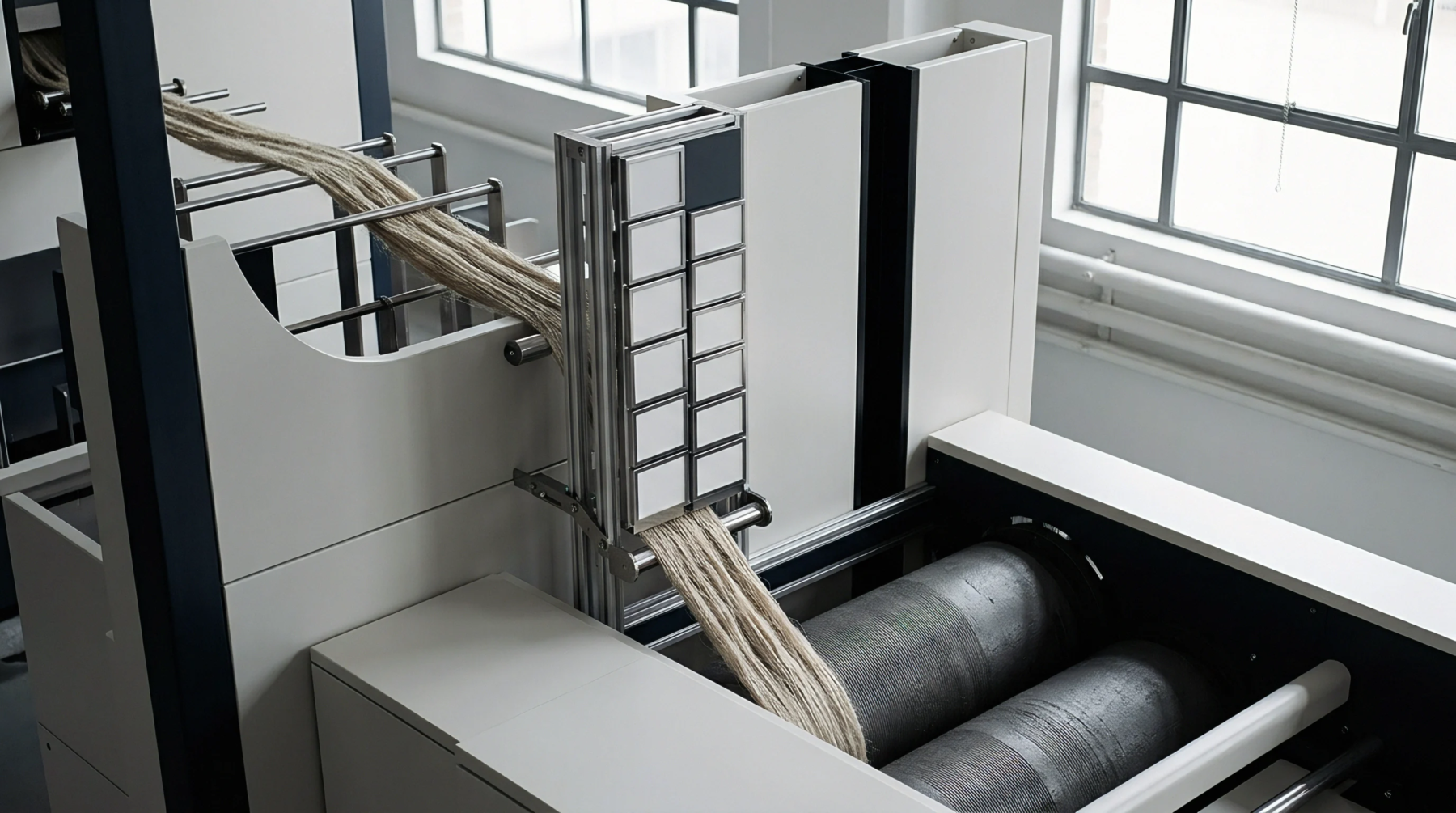
Short flax fibres separated from the longer, premium line fibres during the mechanical combing process constitute combing noil waste. Manufacturers extract these secondary materials to improve the consistency of the remaining tow, thereby ensuring that the primary output meets specific quality parameters for fine linen spinning. This byproduct exits the comber in a tangled state, requiring further processing or disposal according to the operating standards of the facility.
Measurement Criteria
Operators grade the material based on the average staple length and the concentration of non-fibrous vegetable matter present within the batch. Linen mills record these metrics in the daily processing log to reconcile the input weight of hackled flax against the output yield of line fibres and leftovers. Higher quantities of these short fibres indicate a reduction in the efficiency of the combing equipment or suggest that the raw flax input lacks sufficient length for high-quality production.
Precise monitoring of this output allows managers to adjust the settings of the hackling machines to minimize loss.
Inventory Value
Market valuation of this material fluctuates according to the demand from secondary industries that produce coarse yarns, industrial padding, or composite fillers. Buyers purchase the lot at a price point reflecting its short fibre length and the costs associated with cleaning the remaining impurities. Mills often aggregate the volume over an entire production period to maximize the return on surplus assets.
The financial performance of a spinning plant depends on the ability to find an outlet for these secondary fibres rather than treating them as pure loss.