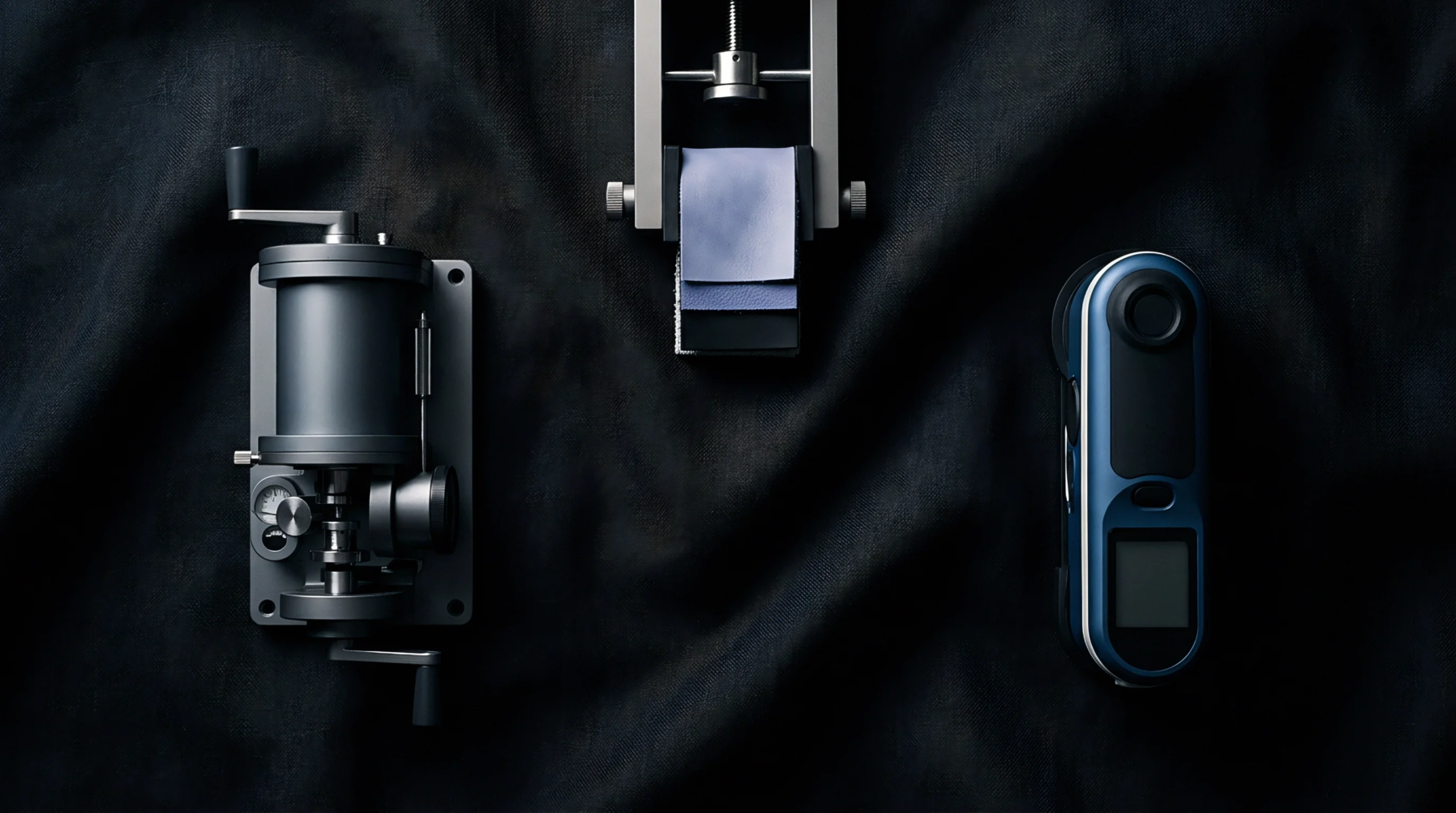
Mechanical Force
Controlled pressure applied to the warp beam locking mechanism prevents fabric slack during the power loom operation. Clamp tensioning maintains the required load on the beam flange to ensure a uniform let-off motion throughout the cycle. Improperly secured ends cause irregular tension zones which later manifest as defects in the finished linen.
Technical Calibration
Secondary hardware components regulate the friction applied to the rotational shaft of the loom to stop slippage. Clamp tensioning acts upon the friction plates or brake shoes to provide resistance against the unwinding pull of the heavy warp beam. High-speed looms operate within narrow force parameters where specific adjustments prevent the beam from shifting laterally under load.
Precise control avoids the sudden jerks that break individual flax fibres during the shedding phase of production.
Operational Boundary
Production records in the weaving mill document these settings as part of the machine configuration log rather than the yarn quality report. Settings for clamp tensioning remain distinct from the warp end tension values measured by the digital tensiometer at the breast beam. Fibre batch quality influences the necessary force setting but the clamp itself addresses the mechanical stability of the beam assembly alone.
Correct mechanical engagement ensures the loom maintains a stable production speed without intermittent stoppages.