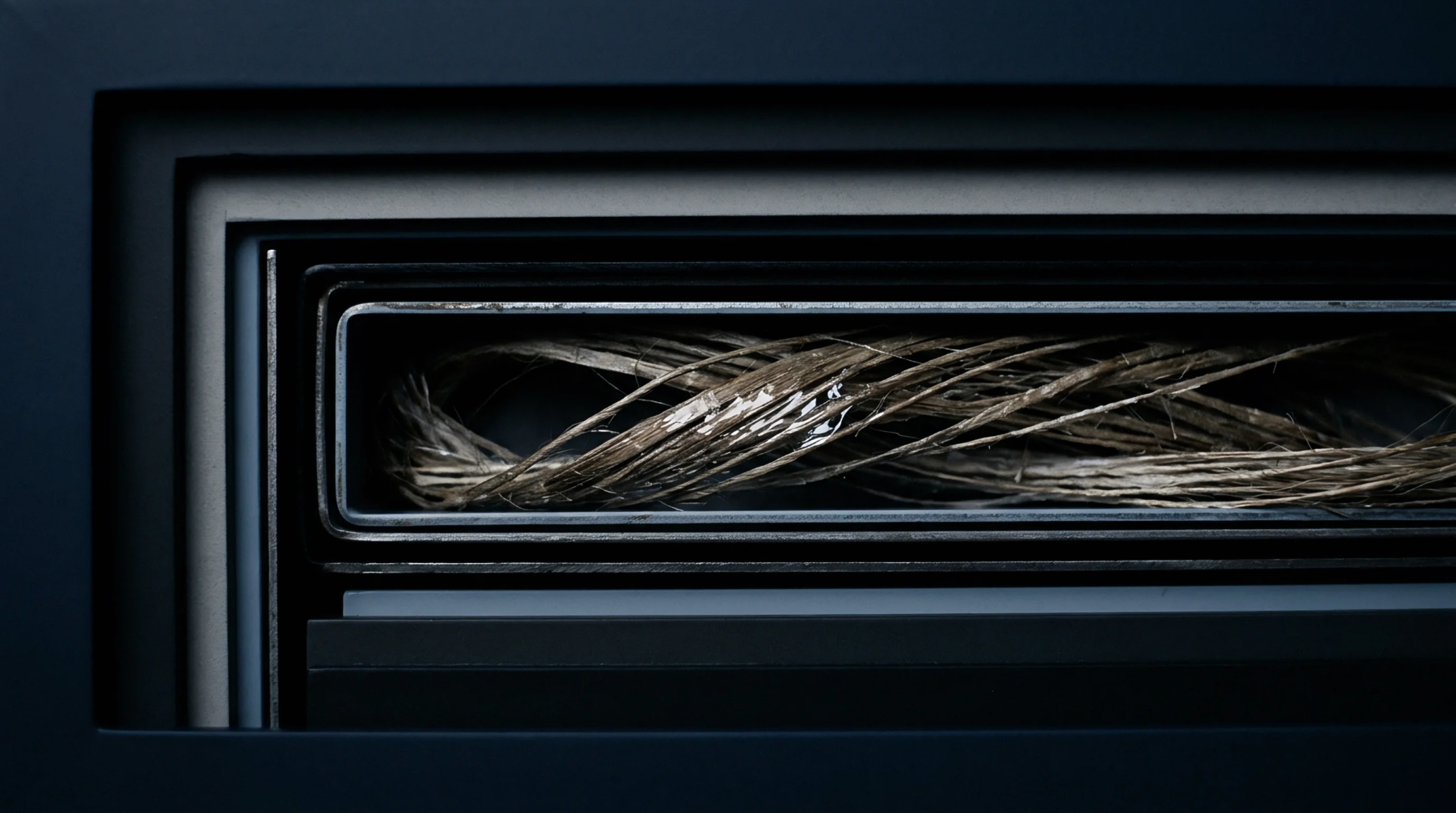
Fibre Alignment
Linear displacement measurement quantifies the degree of deviation from the central axis within a bundle of raw flax fibres during the drafting phase. Angular variance defines the statistical dispersion of these individual fibre orientations relative to the primary machine direction. This metric governs the consistency of parallelisation before the rovings enter the spinning frame.
Operators rely on the calculated dispersion to adjust the roller pressure and the speed of the gill pins. High values indicate a loss of control over the fibre orientation, which increases the probability of breakage during final yarn formation.
Process Deviation
Milling specifications determine the permitted thresholds for the deviation of fibre angles from the ideal parallel state. Textile engineers record the variance observed in the quality assurance log for each individual batch of combed sliver. Acceptance criteria differ between the primary mill output and the external buyer requirements.
Internal standards allow for moderate adjustments to account for natural variations in the raw flax crop before the mechanical processing begins. Export contracts stipulate lower tolerances to ensure the uniformity of high-grade linen yarn.
Mechanical Impact
Drafting roller pressure reduces the angular variance by exerting force on the crossing points of the flax strands. Proper alignment results in a smoother finish for the final woven cloth. Low variance minimizes the occurrence of knots in the fabric.
Mechanical friction prevents perfect parallelism between individual fibres. Uniform tension produces a predictable output. Higher variance necessitates slower processing speeds to maintain the structural integrity of the output.
Consistent fibre orientation represents the baseline for all subsequent spinning and finishing procedures.