Chromatic Variance
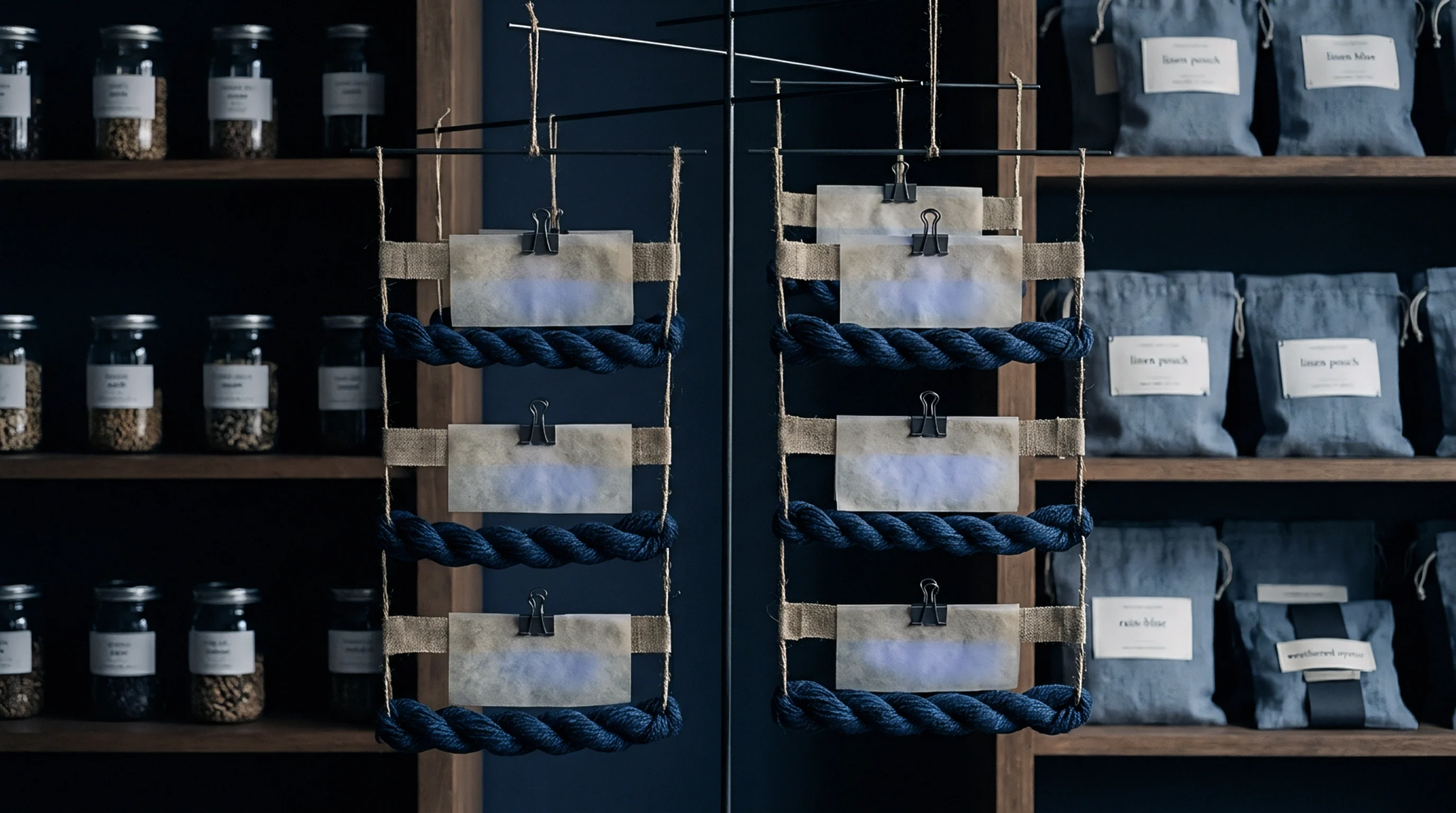
Multi-colored yarn designates an assembly of distinct dyed filaments twisted together to form a single strand for loom feeding in textile production. Mills evaluate this variegated material under daylight simulation boxes to confirm shade fastness before bobbin winding begins. Production supervisors record color distribution variations within the internal quality register during the preparatory stage.
Specifications differ between the spinning mill and the final cloth buyer. The internal mill standard controls the mechanical twist consistency per meter, whereas the buyer acceptance criteria focus entirely on visual shade uniformity across the finished fabric surface.
Dyed Composition
Color-blended yarn undergoes strict evaluation for dye penetration depth during the initial raw material sorting phase. Technicians check whether core filaments retain the correct pigment absorption rate before dispatching spools to the weaving department. Laboratory testing measures chromatic stability under wet rubbing conditions to prevent bleeding during subsequent finishing treatments.
Acceptance thresholds restrict allowable hue deviation to agreed delta parameters.
Shade Tolerance
Multi-toned strand specification limits maximum color shifting across extended production runs to maintain visual consistency in patterned fabrics. Inspectors reject bobbins showing excessive tonal variation because irregular pigment distribution creates streaks on the loom output. The export ledger documents these batch rejections without modifying overall contract quantities.
Fabric grade assessments penalize structural irregularities caused by uneven dye uptake along the twisted composite line.