Yarn Mass Distribution
Linear density determination establishes the linear density profile across flax roving and spun yarns inside Chinese spinning mills during preparation for commercial weaving. Technicians apply yarn mass calculation protocols to quantify linear density variations per unit length from drafting frames and ring spinning units. Gravimetric sampling and capacitance testing generate the primary data recorded in production dockets prior to yarn release.
Strict adherence to mill grade specifications separates usable production lots from defective batches destined for recycling. Buyers specify acceptance thresholds independently from internal mill tolerances to protect subsequent weaving efficiency.
Gravimetric Evaluation
Laboratory scales measure conditioned length specimens under standard atmospheric parameters to establish absolute linear density values. Technicians extract roving samples from creels at regular intervals and weigh each increment on analytical balances calibrated annually. Moisture correction factors compensate for ambient humidity fluctuations inside the spinning hall before final computation occurs.
The resulting mass per unit length index indicates drafting consistency across the entire supply run.
Weaving Preparation
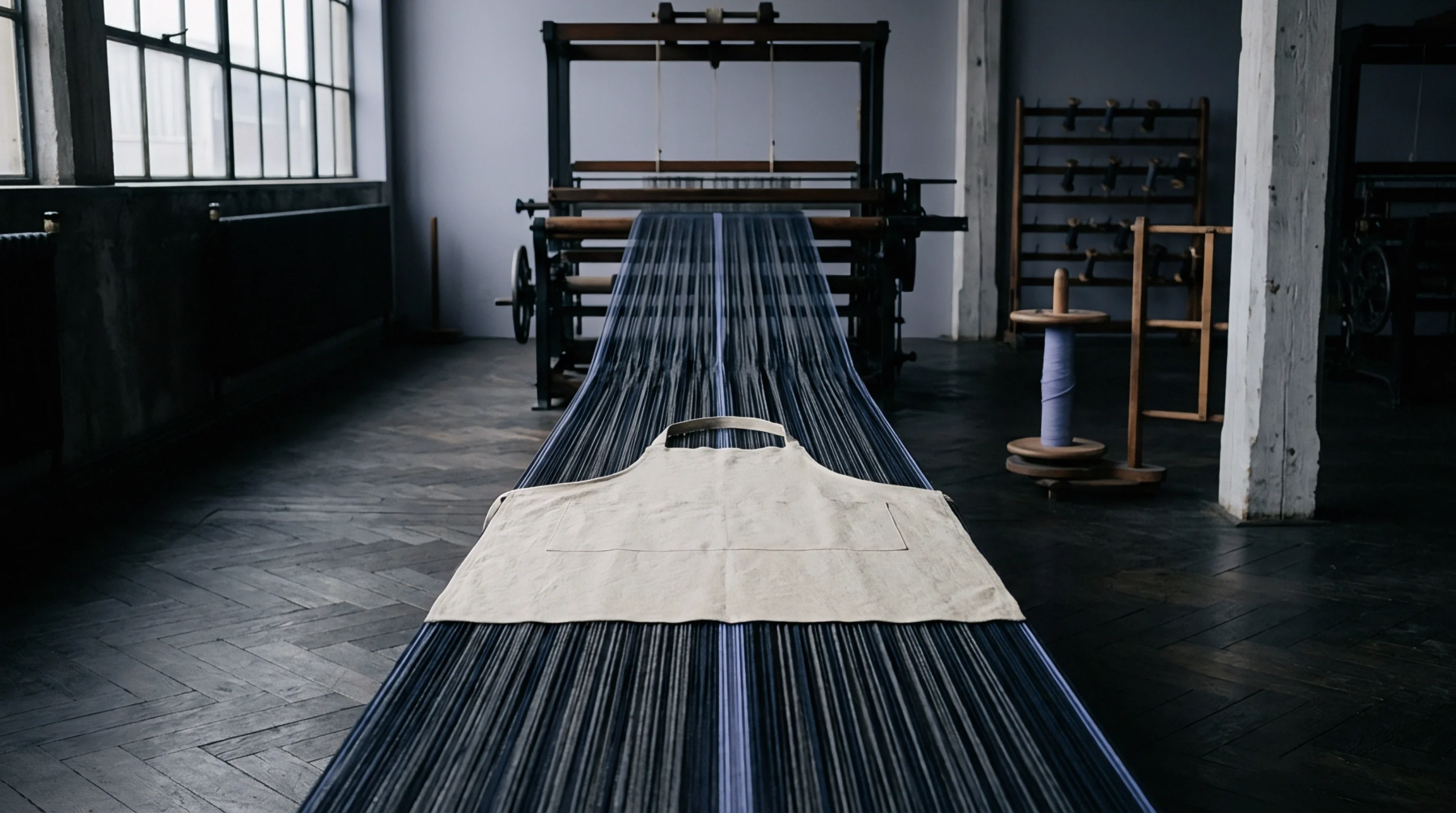
Spooling supervisors evaluate yarn mass calculation outputs to optimize tension settings on winding machinery before warp beam assembly. High linear density variance creates weak points that snap during high speed shedding operations on rapier looms. Production logs track mass uniformity ratios across consecutive shifts to detect mechanical wear on drafting rollers early.
Finishing departments rely on uniform linear density to guarantee consistent dye uptake and tensile strength in finished linen fabrics.