Deformation Analysis
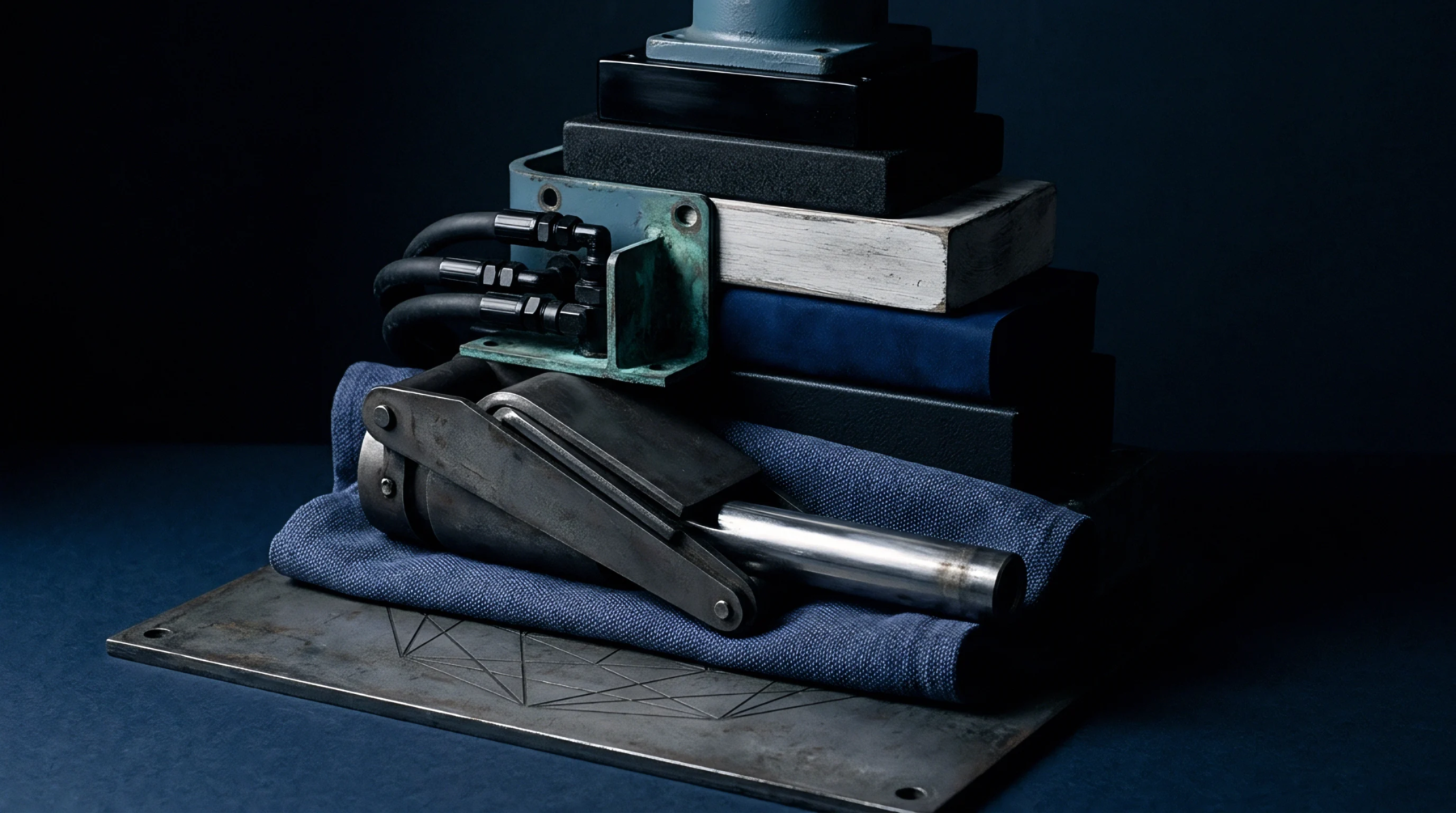
Physical deformations of linen yarns occur when they are compressed under high pressure during the calender finishing of woven fabric. Measuring yarn cross section flattening helps textile engineers evaluate how mechanical treatment changes the porosity and the hand of the linen cloth. This structural alteration is irreversible once the fibers have been subjected to the heavy steel rollers of the calender machine.
Finishing Impact
Finishing impacts are observed in the increased luster and smoothness of the fabric as the round yarns are pressed into a flatter shape. During yarn cross section flattening, the spaces between the warp and weft yarns are reduced, which increases the fabric’s cover factor and decreases its air permeability. This compression is utilized to create compact, high-density linen fabrics for table linens and bedding.
Structural Property
Structural properties of the compressed linen are evaluated using microscope analysis and air permeability tests. If the yarn cross section flattening is too severe, the fabric loses its natural drape and becomes excessively stiff and paper-like. Textile mills adjust the roller pressure and temperature during calendering to control this flattening effect according to the buyer’s hand-feel specification.
These adjustments are documented in the mill’s finishing recipe book to maintain consistency across different production runs.