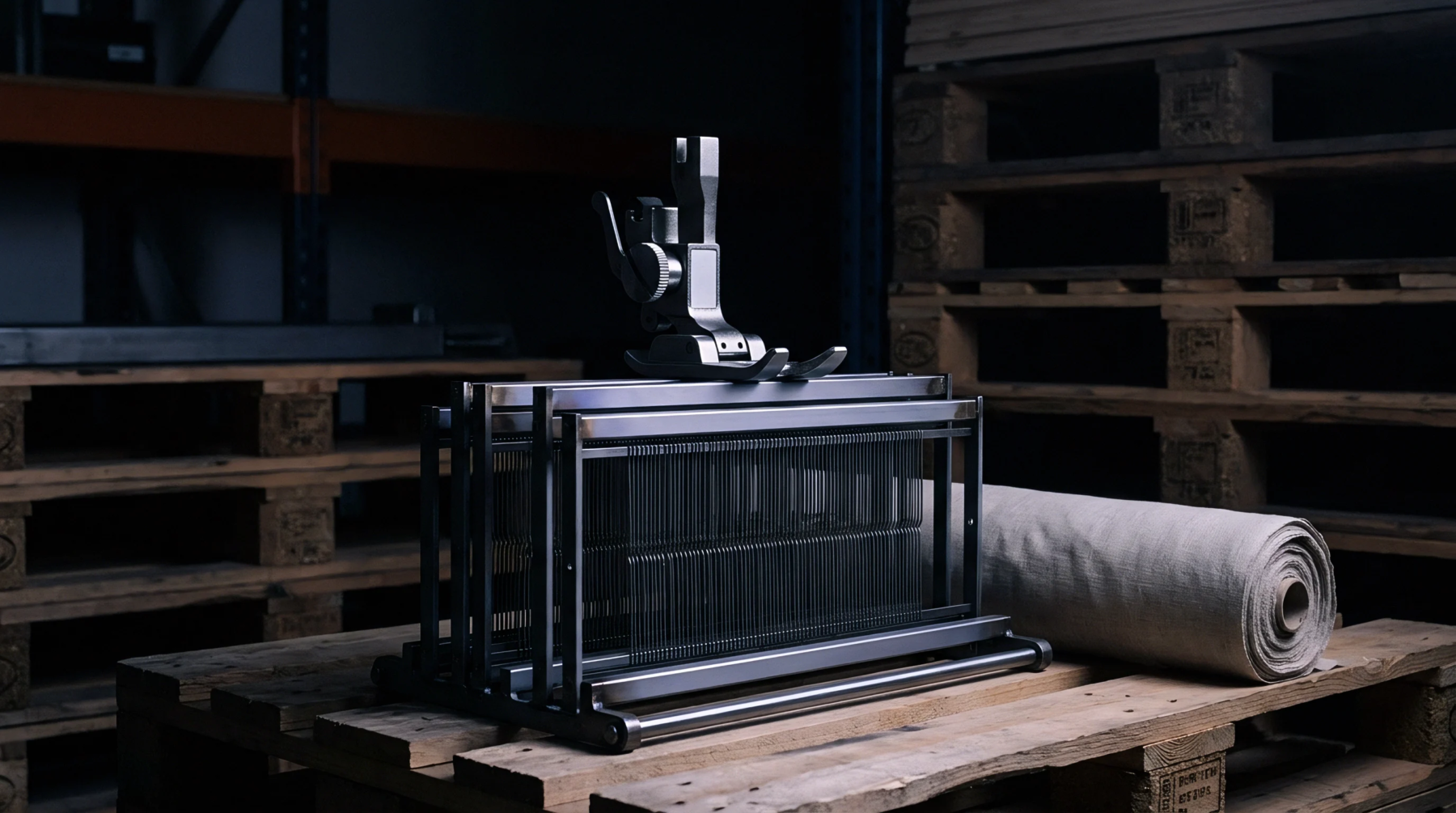
Operational Interruption
Periods of inactivity in the spinning department resulting from mechanical failure or material breakage are recorded as a primary performance metric. The duration of wet spun linen downtime directly affects the productivity and cost efficiency of a textile mill.
Process Variables
Fine flax yarn requires a constant immersion in warm water to soften the pectins and allow for smooth drawing. Any fluctuation in the water temperature or a failure in the heating system leads to immediate wet spun linen downtime. If the fibers are not sufficiently lubricated, they snag on the rollers and cause the yarn to snap.
Operators must then manually rethread the machine, which is a time consuming process that requires high precision skill. This loss of active production time is closely monitored by mill supervisors to identify bottlenecks in the workflow.
Economic Impact
Recording the causes of these stops on a daily production log helps the maintenance team prioritize repairs. High levels of wet spun linen downtime are often linked to poor fiber quality or insufficient cleaning of the refining tanks. When a mill is running high count yarns for the luxury market, the margin for error is extremely small.
Reducing the frequency of these interruptions ensures that the mill can meet its delivery schedules and maintain a competitive edge. Consistent uptime also improves the uniformity of the yarn, as restarts often create small variations in the thickness and twist of the thread.