Material Characterization
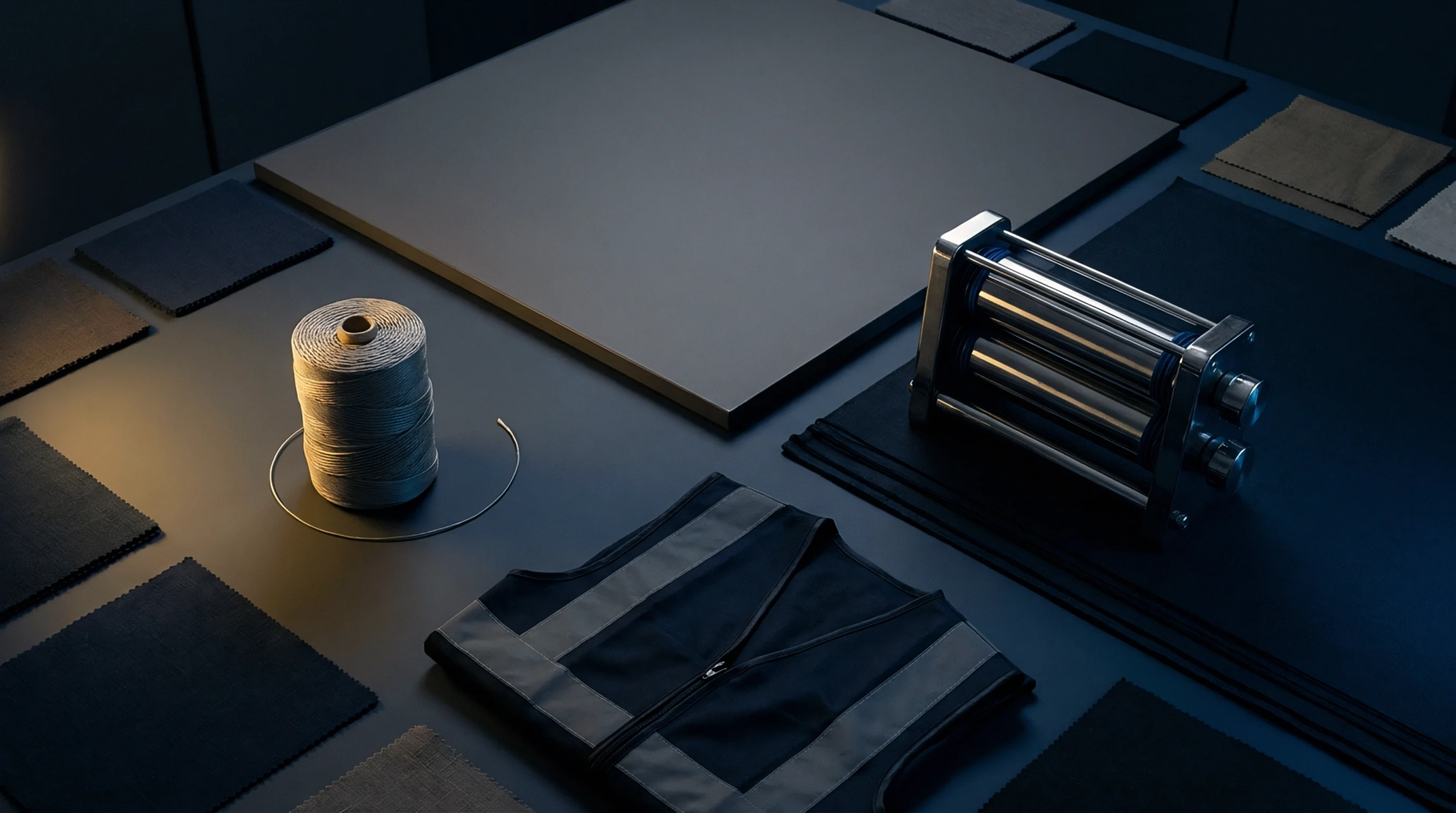
Coarse raw cellulose yarn retaining its natural lignified grey-brown coloration provides high tensile strength for industrial textile applications. Producing unbleached wet-spun flax requires spinning long-line fibres through a warm water bath to soften pectin bonds and increase density. This wet-spinning process aligns the natural fibres tightly, resulting in a smooth, round yarn with low hairiness.
The unbleached yarn is highly resistant to rot, making it suitable for durable twine and canvas.
Processing Flow
The warm water bath softens the natural waxes and pectins, allowing the draft rollers to draw the fibres into fine strands before twist is inserted. Unbleached wet-spun flax bypasses the harsh chemical bleaching stage, which preserves the natural lignin content of the flax plant. This retained lignin provides natural anti-microbial properties and a distinct earthy smell.
Since it has not been exposed to peroxide or chlorine, the fibre retains its full structural integrity and resistance to moisture absorption. Textile mills often scour this yarn after weaving rather than before, allowing the loom to benefit from the natural lubrication of the unbleached plant waxes during the mechanical process.
Strength Advantage
The resulting thread is much stronger than dry-spun yarn of equivalent density, making it the preferred choice for heavy-duty stitching. Industrial weavers use this high-tenacity yarn for warp threads in heavy industrial canvases and fire hoses. It provides high wear resistance and low stretch under load.
It represents a durable, natural option for marine and agricultural rigging.