Mechanical Strength
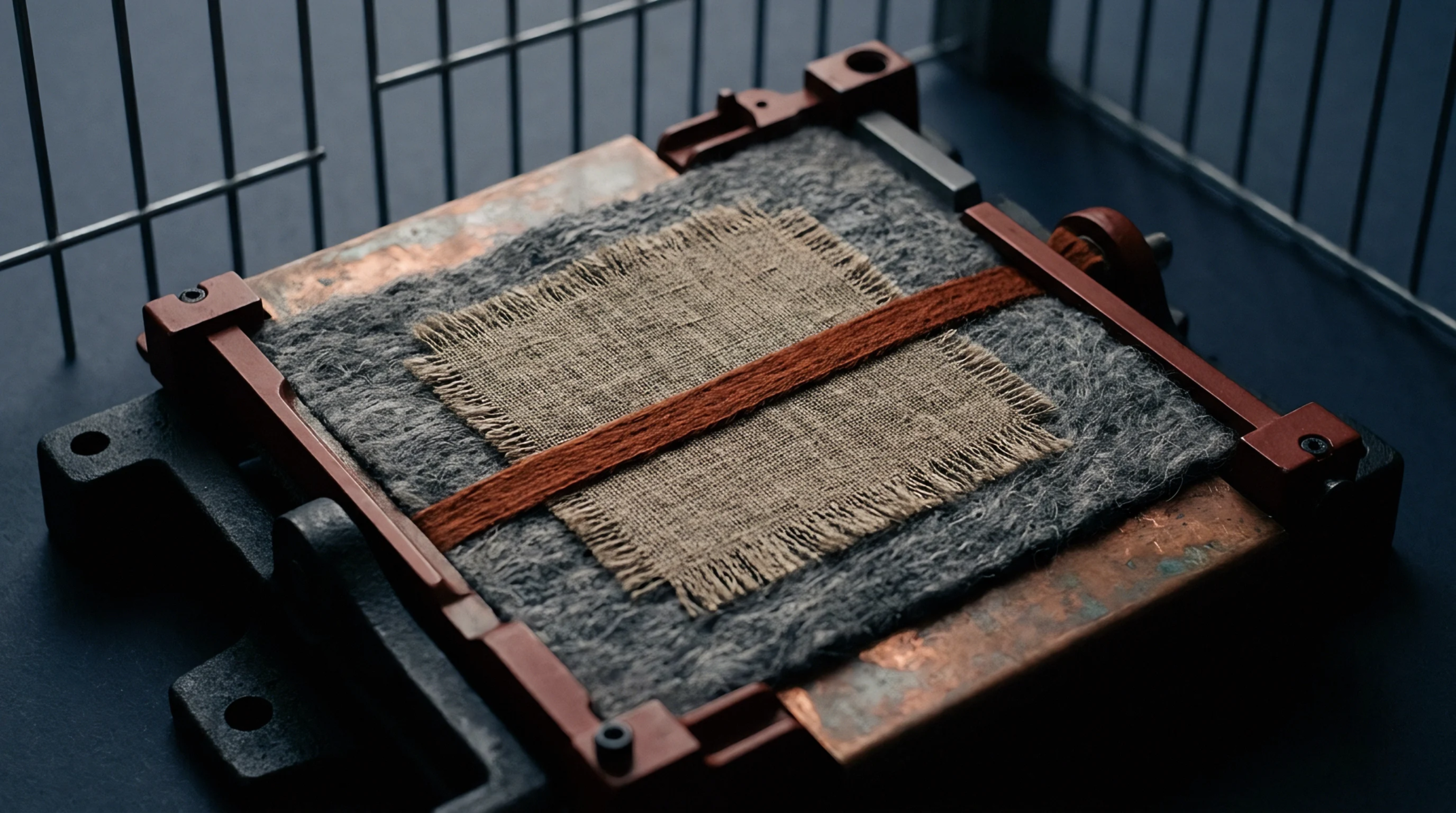
Measurement of flax fibre tenacity and elongation utilizes a dedicated constant rate of loading instrument. The stelometer test method determines these physical properties by clamping a specimen between two jaws separated by a specific gauge length. Increased tension applied to the fibre bundle continues until failure occurs.
Forces recorded at the moment of rupture provide the tenacity values, while the extension recorded at this threshold yields the percentage elongation.
Bundle Calibration
Precise assessment of raw flax requires the preparation of a uniform comb for placement within the testing assembly. This procedure removes loose material and aligns individual strands to ensure accurate load distribution during the tension phase. Proper alignment prevents premature breaking of the sample and guarantees that the recorded data reflects the true resistance of the material.
Technicians perform these tasks under controlled temperature and humidity conditions to minimize variance in moisture content, as hydration alters the internal structure of cellulose filaments.
Spinning Quality
Fibre assessment within the spinning mill relies on these tenacity results to forecast the performance of yarns during processing on high-speed industrial frames. Mills evaluate the data against defined thresholds for yarn count and tensile endurance before approving a batch for purchase or production. Higher tenacity readings allow for finer yarn counts without frequent breakage at the spindle, which reduces downtime and waste across the manufacturing line.
Consistent application of this testing protocol across different suppliers ensures that raw material intake matches the technical requirements of the weaving department. These standardized metrics provide the necessary control for maintaining quality throughout the entire supply chain from raw crop supply to finished textile export.