Protective Encasement
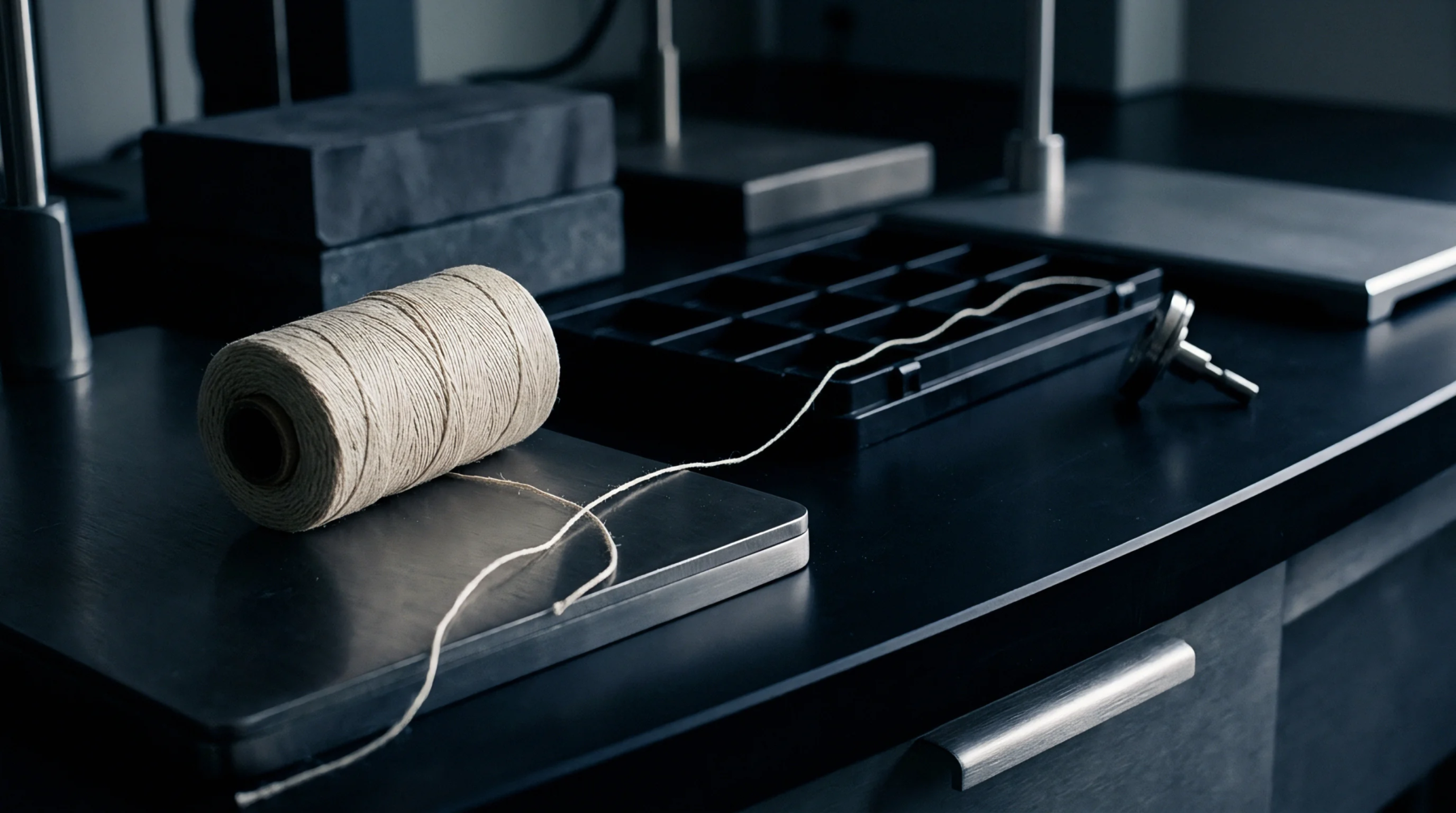
Solidified chemical membranes formed from aqueous starch solutions coat spun yarns to consolidate loose outer surface fibers during weaving operations. Applying a starch binder film onto linen warp yarns protects fragile cellulose bundles from abrasive mechanical friction along loom harness frames. The layer constitutes an envelope of gelatinized, retrograded polysaccharide polymers dried evenly across the fiber circumference.
The boundary ends where chemical desizing enzymes hydrolyze the starch backbone or where aggressive water washing dissolves the water-soluble film.
Film Formation
Sizing boxes impregnate raw flax yarns with cooked starch mixtures derived from modified potato, tapioca or corn starches at high temperatures. Squeeze rollers press liquid size into outer yarn voids before the warp sheet touches heated drying cylinders. Water evaporates rapidly from the slurry, causing amylose and amylopectin polymer chains to align and crystallize into an insoluble film.
Formulators introduce synthetic binders, carboxymethyl starches and lubricating wax emulsions to regulate film stiffness and moisture absorption. Viscosity monitoring systems check the sizing box slurry continuously to ensure the starch binder film forms a uniform skin without excessive deep core saturation. Yarn hairiness testers verify that protruding flax fibrils remain bonded flat along the longitudinal yarn stem.
Warp Protection
Linen possesses irregular cross-sections and short technical fiber splits that catch easily on neighbor yarns within high-density warps. Loom performance depends directly on the integrity of the starch binder film, which must withstand several hundred pick cycles before desizing. Sizing room operators record starch viscosity, box temperature, drying cylinder steam pressure and percent size pick-up on warp production dockets.
Commercial buyers evaluate the thoroughness of subsequent finish desizing through potassium iodide staining tests, logging results on export fabric compliance audits. Clean film removal during finishing restores the natural hand and drape of the woven linen cloth.