Chamber Equilibrium
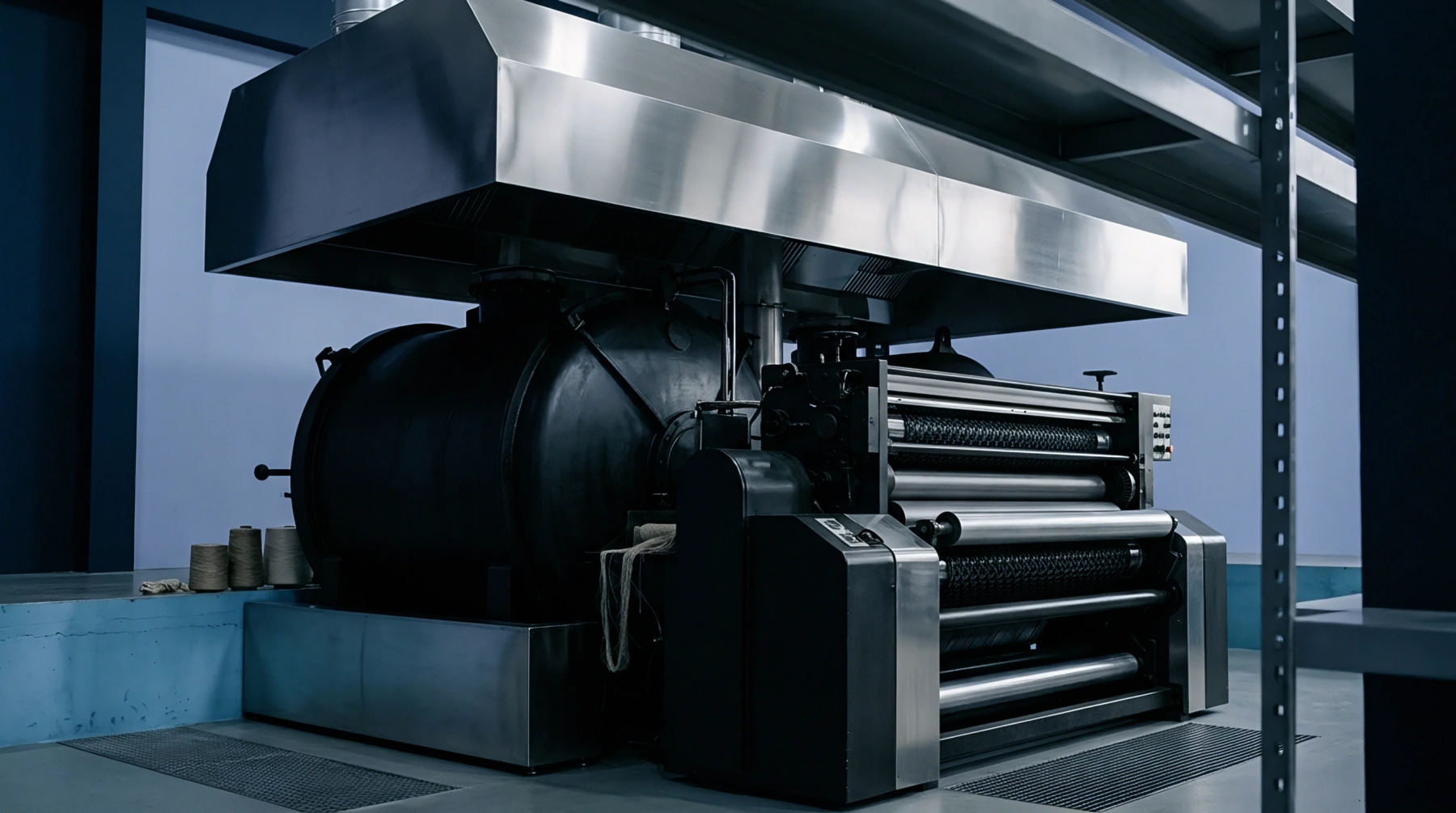
Hygrometric regulation represents the mandatory environmental stabilization protocol defined by ISO 139 for textile testing laboratories across Chinese flax processing facilities, governing the precise temperature and relative humidity required before any physical verification begins. Ambient moisture alters cellulose fiber dimensions, swelling hydrogen bonds and shifting tensile properties during breaking load assessments. Flax yarn tenacity and elongation percentages vary significantly between arid winter heating conditions and humid monsoon storage bays, so standard atmosphere conditioning eliminates baseline drift by forcing conditioned air through microperforated ducts until dew point sensors confirm total thermodynamic stability.
Raw hackled line fiber and finished linen cloth sit within this sealed enclosure for twenty four hours prior to grading.
Hygroscopic Tolerance
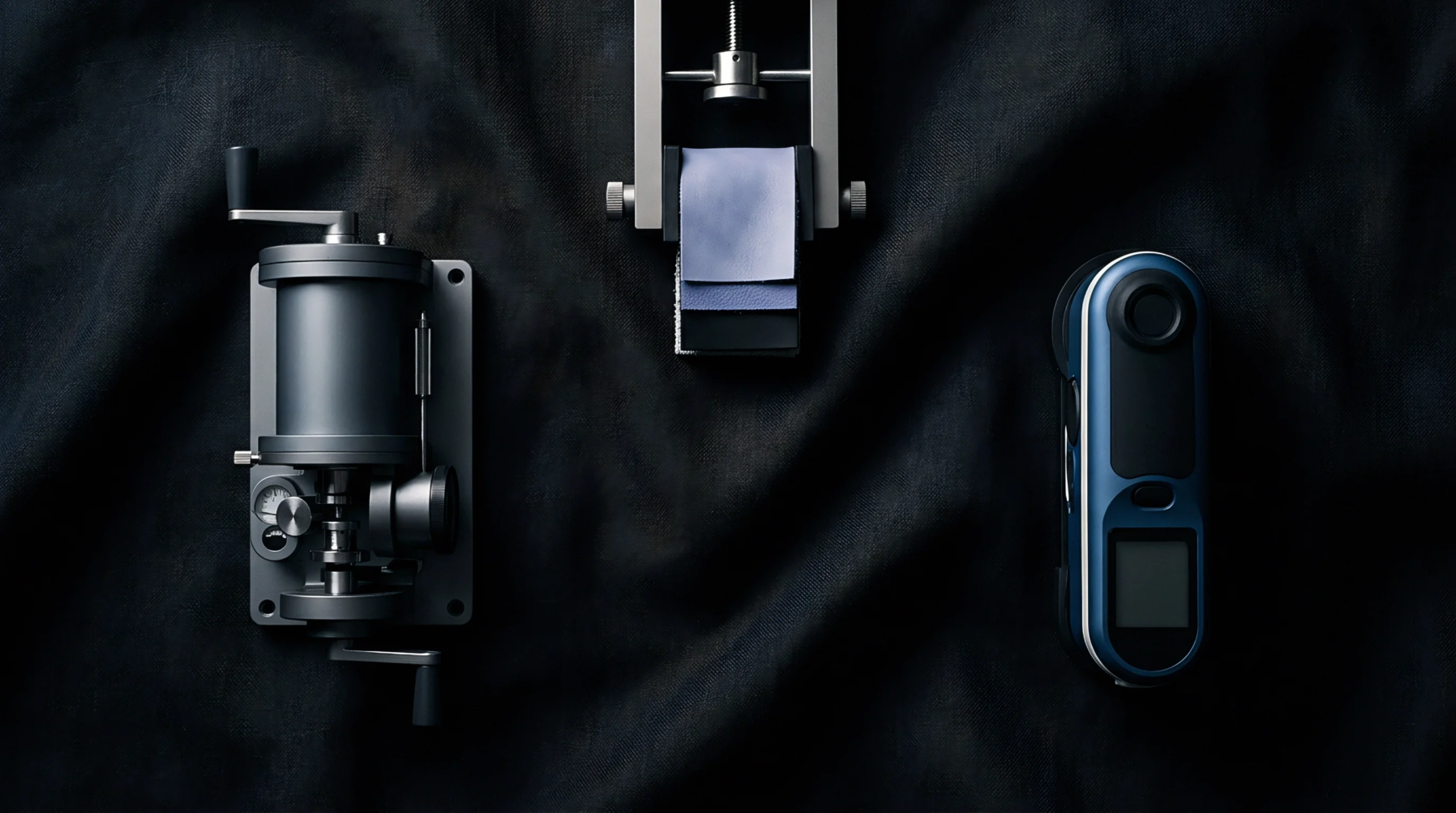
Ambient water absorption changes linear density measurements and twist retraction rates across all spun linen yarns, forcing inspectors to verify air velocity parameters before recording mass per unit area. Excessive vapor pressure inside the testing booth causes flax fibers to relax prematurely, leading to artificially elevated breaking loads during dynamometer trials. Mill operators maintain a constant relative humidity of sixty five percent alongside twenty degrees Celsius to keep moisture regain percentages predictable for export certification.
Deviations outside these narrow boundaries invalidate commercial acceptance documents regardless of yarn cleanliness or twist uniformity.
Export Verification
Final trade settlement depends upon documented compliance with standardized conditioning protocols because dry mass calculations rely entirely upon moisture regain percentages verified inside the testing laboratory. Commercial linen contracts specify exact mass adjustments known as commercial weight additions to account for standard moisture retention levels in linen fabrics. Buyers reject shipments lacking official conditioning logs because unconditioned fabric exhibits erratic tear resistance and dimensional instability during garment manufacturing.
Laboratory technicians record ambient psychrometric charts continuously throughout every testing cycle to protect both spinner and merchant from monetary disputes caused by atmospheric fluctuations.