Fibre Dispersion
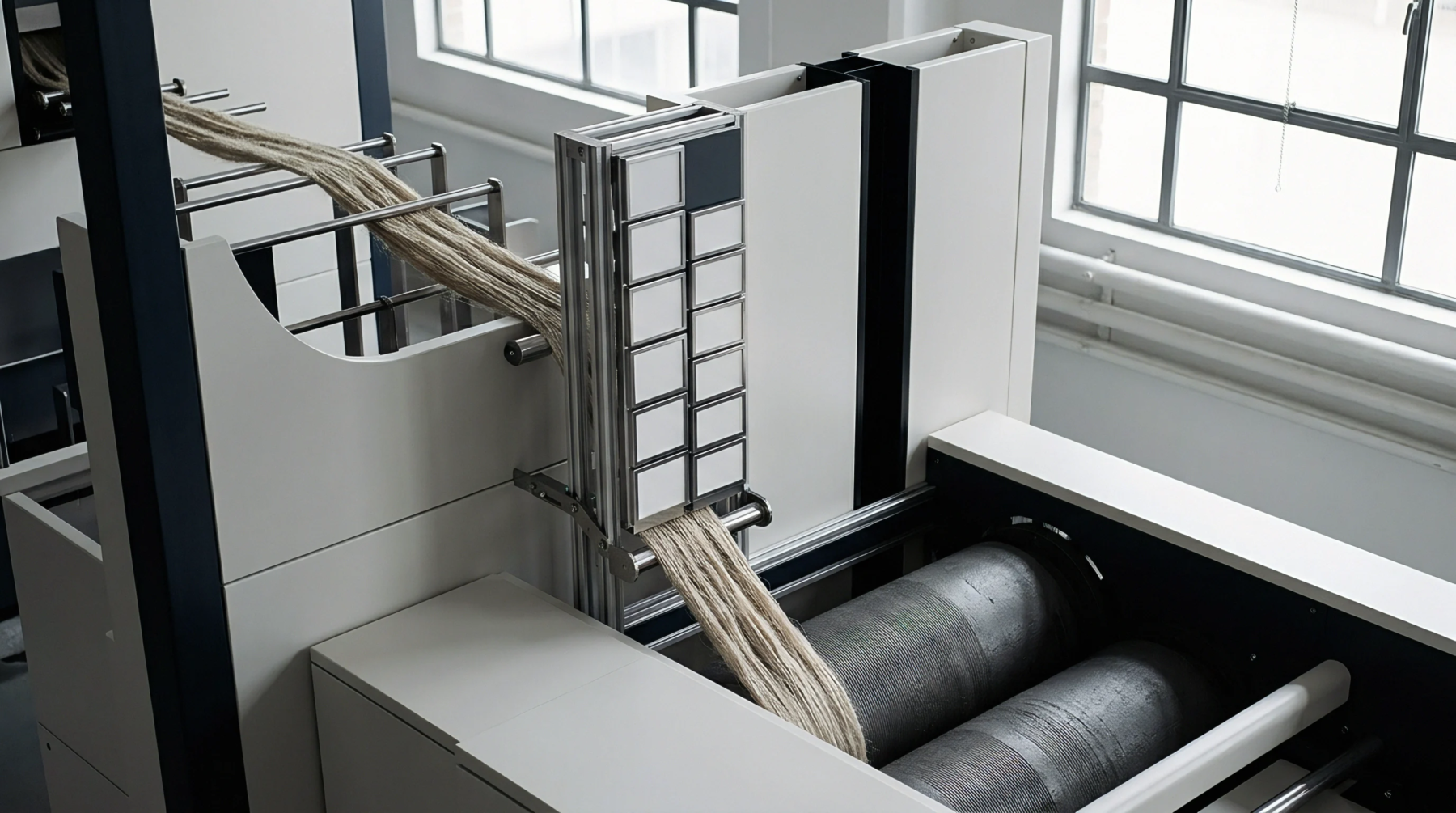
Raw flax processing in Chinese textile mills generates short broken fibres and loose trash during mechanical opening, and the spinning fly waste factor quantifies the precise mass fraction of this airborne residue recovered from pneumatic extraction ducts relative to total raw material input. Technicians measure this proportion on the carding and drawing floor to establish baseline material loss before roving frames twist the attenuated strand into preparatory yarn. Mill management records these operational yields inside daily production logs to differentiate inherent botanical trash from excessive fibre breakage caused by aggressive machine settings or substandard raw stalk preparation.
A high residue ratio signals mechanical damage or brittle material batches, while a stable baseline confirms proper drafting roll pressure and adequate ambient humidity control across the spinning hall. Buyer acceptance criteria rely on clean yarn output rather than raw material loss rates, but internal mill standards penalize excessive extraction because heavy airborne waste reduces final yarn strength and increases raw material procurement costs per metric ton of exportable fabric.
Waste Recovery
Pneumatic suction hoods positioned above the drafting zones capture detached debris continuously, and the spinning fly waste factor dictates how much of this captured material undergoes secondary cleaning for lower-grade coarse applications or faces total rejection as unusable floor sweepings. Technicians separate heavy woody shive from fine usable lint inside cyclone separators, establishing whether the extracted mass contains valuable staple length material that escaped the main drafting nip. Production supervisors track these recovery streams to maintain mass balance calculations across the entire plant, ensuring that missing weight is properly accounted for between the initial bale opening room and the final yarn package inspection station.
Low secondary recovery percentages point toward efficient fibre retention, whereas high recovery volumes indicate that viable filaments are being stripped away alongside non-spinning dust.
Quality Grading
Finished yarn batch certification depends on raw material efficiency, and the spinning fly waste factor directly influences the final commercial grade assigned to the spun product before weaving mills convert the yarn into Greige cloth. Fabric manufacturers evaluate yarn batches using tensile strength tests and hairiness indices, knowing that excessive waste generation during spinning leaves thin spots and uneven thickness profiles along the strand. Lower grades exhibit high variability in breaking load due to the depletion of strong continuous filaments during the preliminary drafting stages.
Export documentation incorporates these quality tiers to separate commodity apparel fabrics from industrial technical textiles, ensuring that material performance matches the specific contractual requirements agreed upon by international buyers.