Weaving Resistance
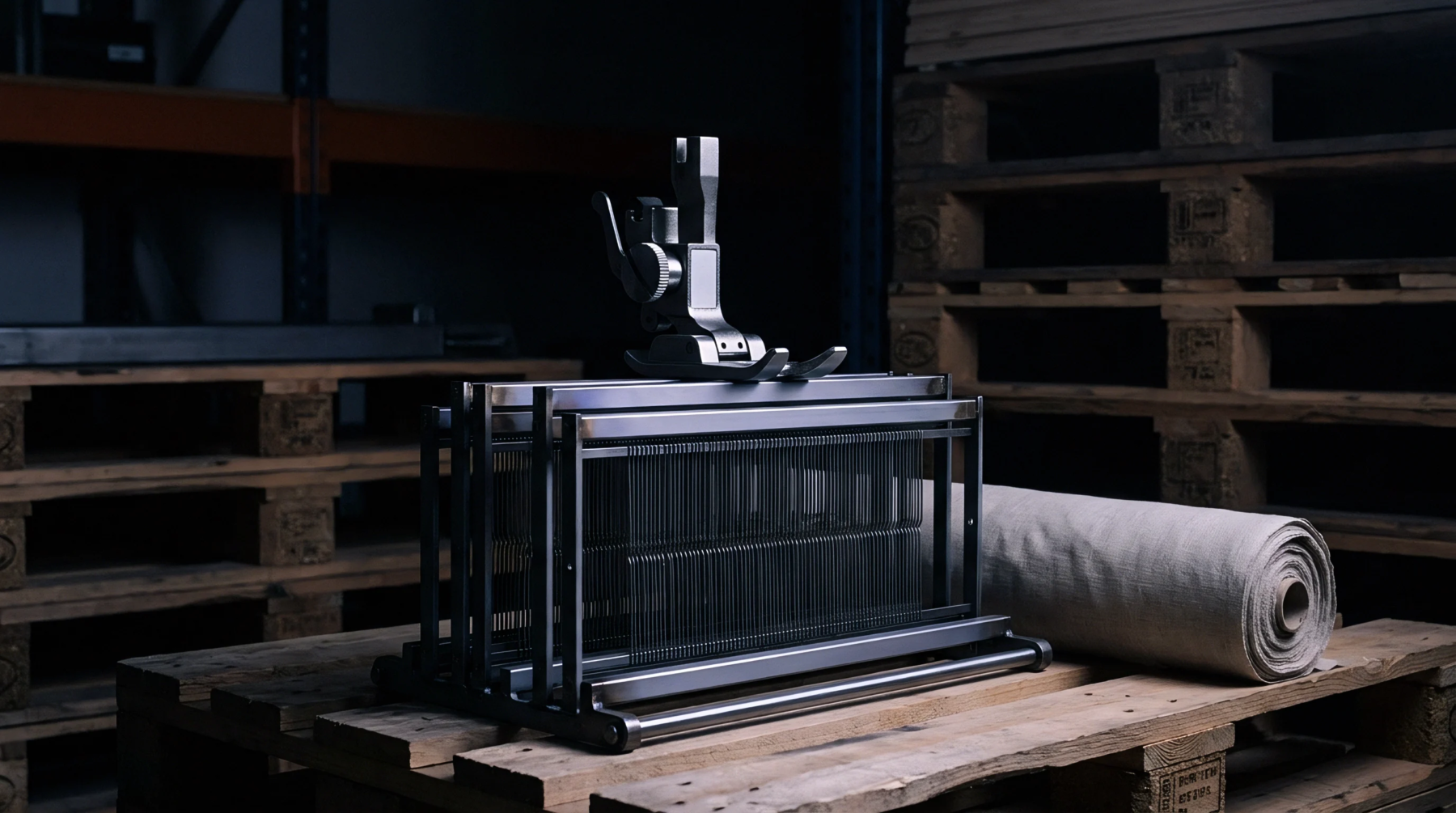
Mechanical friction against warp threads during loom shedding governs how flax yarns survive high speed insertion in Chinese textile mills. Sley resistance measures the opposing force exerted by wire dents on individual linen threads as heddles separate the warp sheet for the shuttle pass. Excessive warp tension during this cycle causes fibre breakage on the reed wire face.
Mill supervisors record these thresholds in production logs before approving the daily grey cloth output. Fabric grades reflect fewer breakages than lower tier fibre grades destined for coarse sheeting. Buyer acceptance criteria require lower friction ratings than the internal mill standard permits.
Shedding Load
Heavy sizing pastes applied to damp flax yarn reduce abrasion against the metallic teeth during mechanical beating. Starch coatings form a protective shell around brittle bast fibres to prevent filament splitting under cyclic tension. Loom operators adjust reed spacing to accommodate yarn swell without increasing contact pressure.
Higher thread counts demand tighter control over atmospheric humidity inside the weaving shed. Moisture regulation keeps flax yarn pliable enough to withstand continuous impacts from the reed.
Export Standard
Finished linen bolts undergo laboratory testing for tensile recovery before leaving the production facility for international markets. Independent inspection agencies verify that mechanical wear parameters match the specifications agreed upon in the purchase contract. Shipping documents list the exact warp density ratings required by destination customs authorities.
Foreign buyers reject consignments showing excessive reed mark damage from faulty shedding mechanics. Final quality grades determine whether the harvested flax output commands premium pricing abroad.