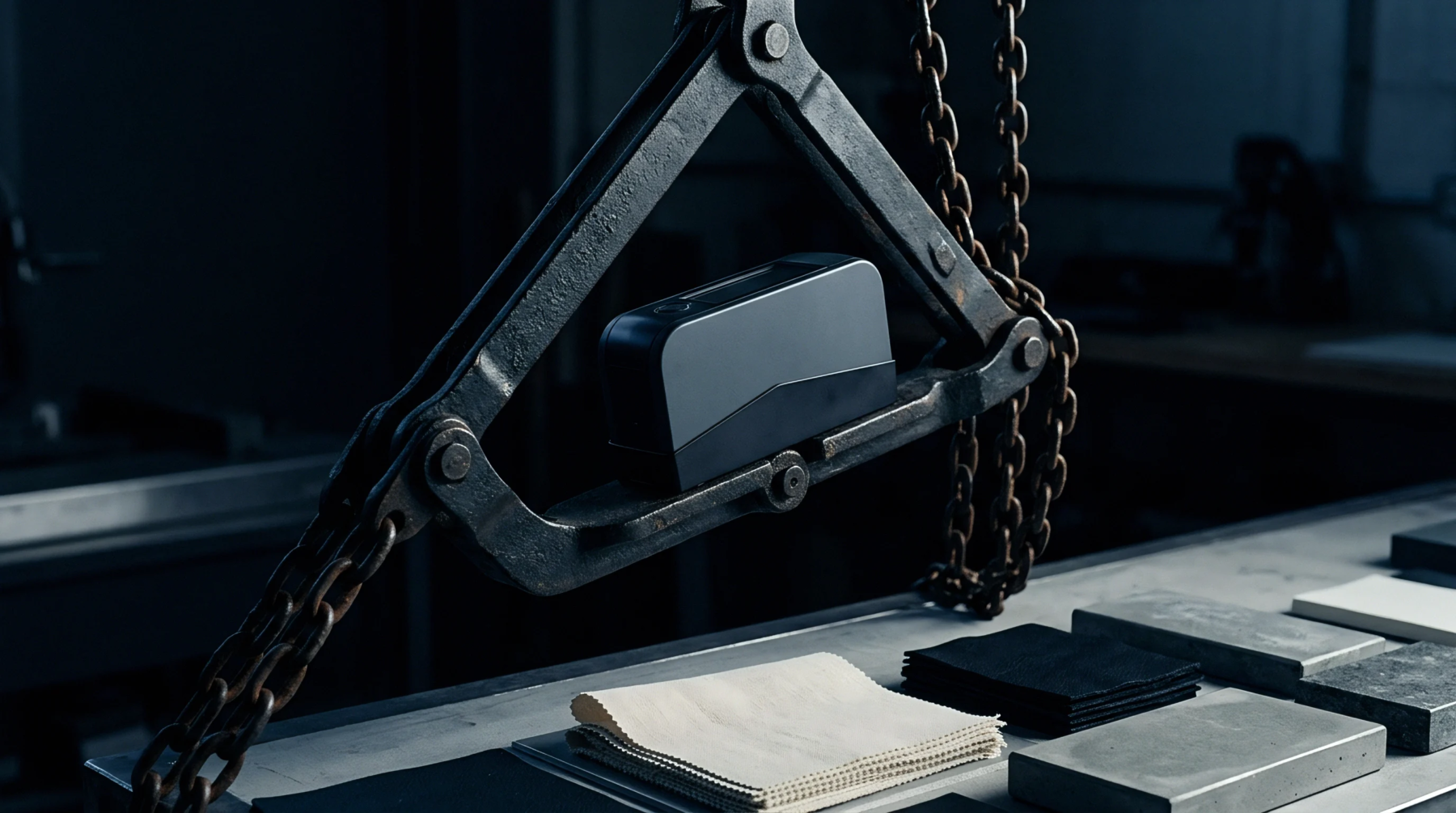
Harness Positioner
Electronic and mechanical actuation unit controlling the vertical displacement, dwell time, and timing of harness frames separates warp yarn sheets to form a clear opening for weft yarn insertion. The shed controller coordinates the physical profile of the shed geometry by dictating when, how high, and for what duration each harness rises or lowers relative to the fabric pass-line. Operating through linkages, cams, electronic dobbies, or jacquard heads, this system ensures that warp strands clear the path of the incoming insertion mechanism without incurring unnecessary friction or strain.
Proper controller synchronization preserves yarn integrity and allows rapier grippers or air-jet pulses to traverse the working width cleanly.
Flax Calibration
Weaving linen introduces severe mechanical constraints on the timing curves governed by the shed controller due to the low elongation and hairy surface profile of bast fibres. Flax warp ends lack the elasticity of cotton or wool, making them vulnerable to abrasive wear and breakages when lifted too high or subjected to abrupt acceleration profiles. The controller must establish asymmetric shed geometries where upper and lower warp sheets equalize tension spikes during shed crossings, preventing fraying against the reed wires.
Modern electronic dobbies allow operators to program smooth kinematic movement curves and adjust harness dwell intervals through digital touchscreens, ensuring the shed stays fully open until the insertion vehicle clears the selvedge. Adjusting shed closing angles also assists in burying slubs and minor yarn irregularities within the fabric core, improving the final appearance of the linen ground.
Fabric Quality
Mechanical drift or improper calibration within the harness positioning unit results in serious structural faults that show up during visual fabric grading. When the shed controller falls out of phase with the main drive shaft, the weft insertion mechanism strikes unseparated warp ends, producing broken ends, loose picks, or snagged yarn clusters. Unequal shed heights lead to warp streaking or uneven tension between top and bottom sheets, causing the fabric to curl or curl along its selvedges once relieved of loom tension.
Quality control engineers verify controller settings against technical specification sheets whenever altering the weave structure or changing the yarn lea count on a production line.