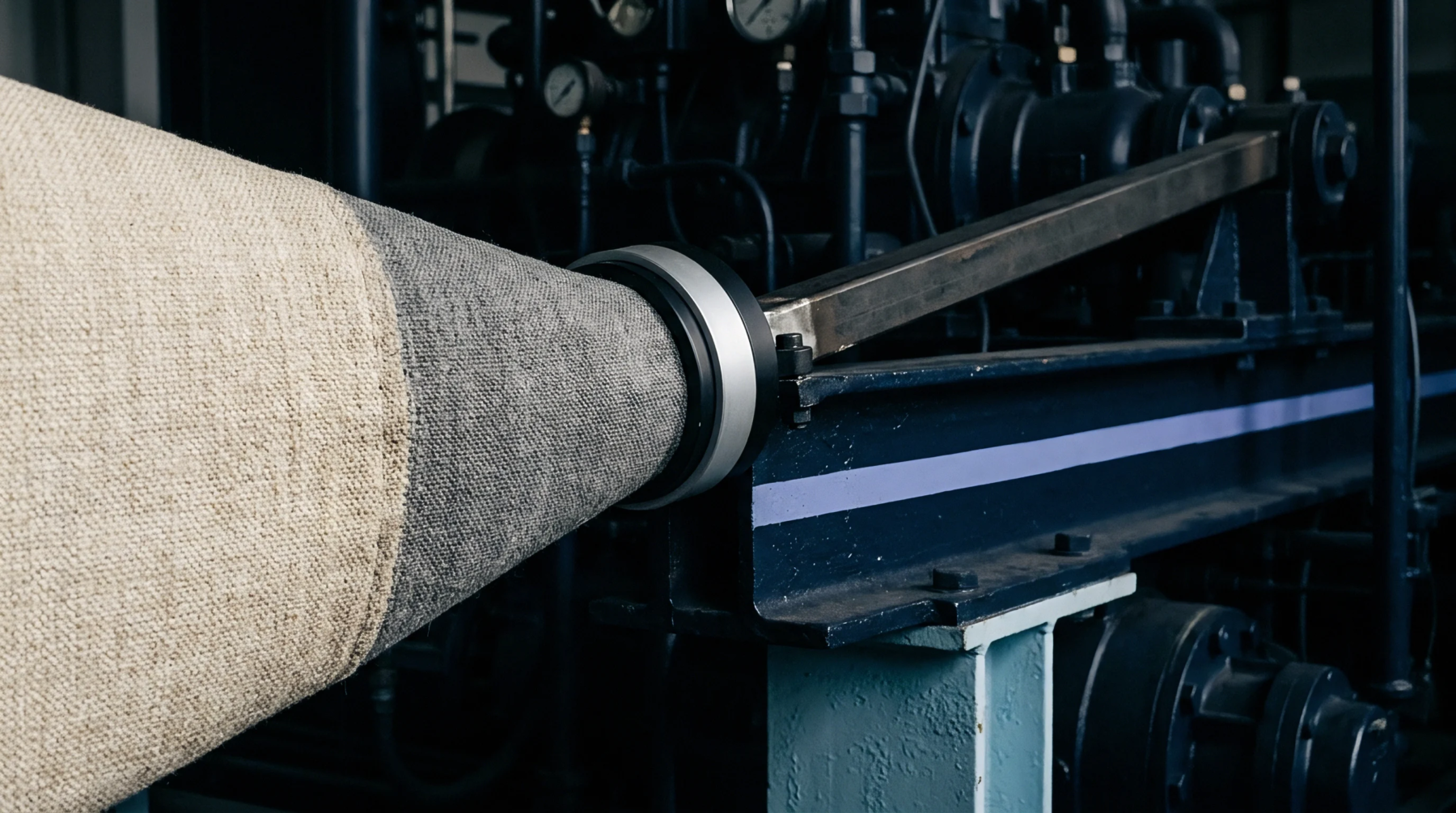
Loom Geometry
Configured within the weaving zone of a rapier or air-jet loom, the angular distance between top and bottom warp sheets determines insertion space for weft carriers. Optimization of shed clearance angle prevents mechanical abrasion on sensitive linen warp yarns while maintaining clean shed separation. Loom technicians adjust heald frame stroke heights and harness drive linkages to set this mechanical angle according to fabric density requirements.
Setting sheets attached to weaving machines record these angular measurements alongside shed timing values. Proper alignment reduces warp end breaks caused by fiber cling in hairy flax yarns. The geometric setting stops applying once the reed beats up the inserted weft yarn into the fabric fell.
Abrasion Reduction
Excessive shed opening increases tensile strain on individual warp ends during harness movement, causing filament breakage in low-twist linen yarns. Insufficient shed clearance angle leads to rapier head collision with upper warp threads, resulting in broken ends and weave defects. Weaving room inspection logs document harness height adjustments during quality troubleshooting.
Shuttle Clearance
High-density linen weaves require precise shed timing to coordinate carrier insertion with harness crossover. Adjusting the clearance angle allows bulky linen weft yarns to pass without dragging across lower warp sheets. Shift supervisor handovers log harness adjustments alongside stop motion frequency records.
Machine performance reports confirm these mechanical settings across loom sheds.