Inspection Protocol
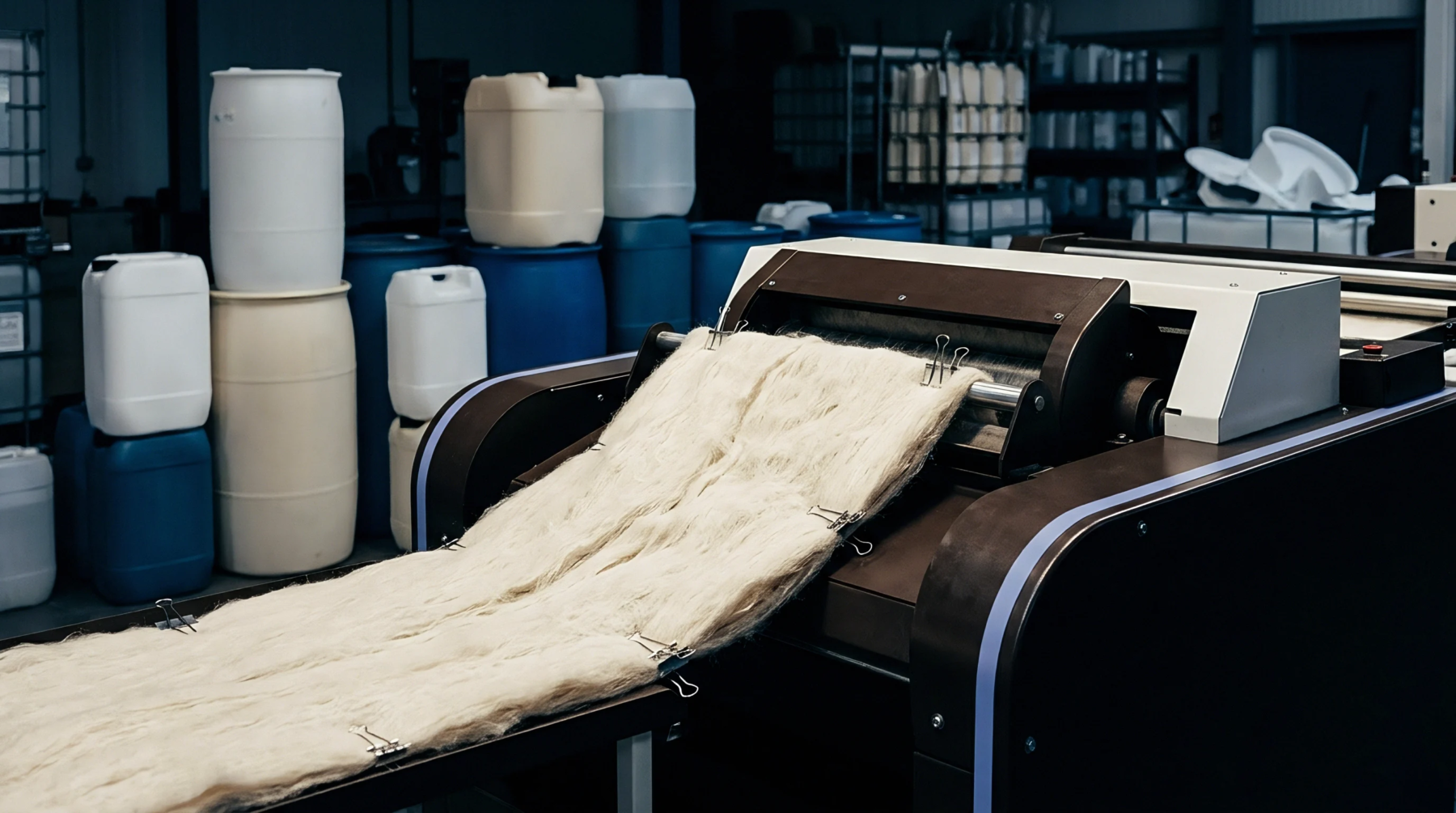
Verification of processed fibre quality at the bale stage defines the scope of this standard. The sgs certification provides a quantitative assessment of flax purity and moisture content before spinning begins. Auditors measure the presence of shives and vegetable matter against the established mill tolerances.
This assessment concludes when the lab issues a certificate of analysis detailing the specific fibre diameter and tensile strength.
Testing Criteria
Mechanical laboratories evaluate raw flax samples against strict moisture regain limits to ensure production stability. The sgs methodology relies on randomized sampling across each batch to determine consistent material properties. Mill operators adjust their equipment based on these reports because small deviations in fibre length alter the performance of the spinning frames.
Proper calibration requires these figures to align with the specific spinning capacity of the facility.
Commercial Impact
Buyers mandate this verification to mitigate the financial risk associated with raw material variability. Export documents rely on the integrity of sgs data to confirm that consignments meet the agreed technical specifications of international textile contracts. These records form the basis for final payment settlements between the flax supplier and the purchasing mill.
Reliable grading prevents the downstream degradation of fabric quality during the finishing stages of textile manufacturing.