Physical Classification
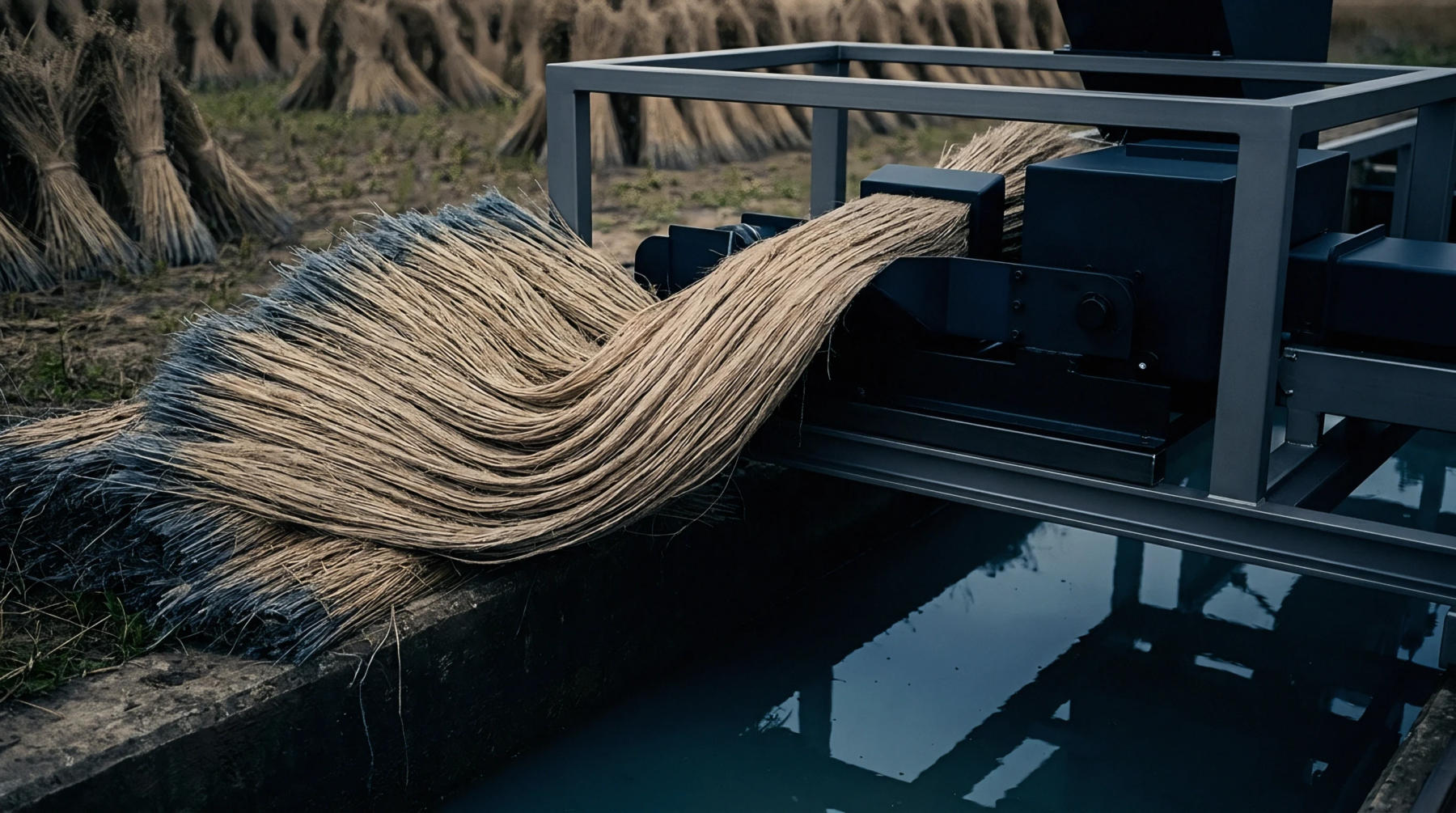
Mechanical separation of flax stalks yields scutched long fiber as the primary component for fine linen production. Processing occurs after retting and drying, where rotating scutching blades remove the woody shives from the bast bundles to leave behind these unbroken filaments. Grading focus shifts toward length, fineness, and strength rather than simple yield or biomass weight.
Inspectors verify consistency in the batch by checking for impurities like pith or bark fragments that survive the turbine cycle. This material represents the high value portion of the harvest that enters the primary spinning line for wet or dry systems. The separation process maintains the structural integrity of the individual plant cells.
Production Parameter
Procurement departments define mill requirements by length measurements usually exceeding fifty centimeters for top tier output. Spinning mills determine their technical capacity through the ratio of scutched long fiber to tow, which constitutes the shorter and tangled byproduct. A shift in the ratio indicates a change in the efficiency of the mechanical scutching machinery or a degradation in raw flax quality.
Facilities report these data points in the technical specifications attached to bales to signal suitability for specific yarn counts. Spinning performance depends on the alignment of the strands during the drawing process.
Quality Standard
Acceptance criteria for exported shipments prioritize the absence of remaining shives and foreign contaminants above all other physical characteristics. Buyers confirm the classification through standard hand testing that evaluates the flexibility and color of the fiber. Differences exist between mill standards for internal consumption and trade standards applied to international markets.
Export documents record these assessments to establish the value of the raw input before the wet spinning operations commence. Long filaments demonstrate higher tensile performance than shorter alternatives when subjected to industrial mechanical stress.