Drafting Adjustment
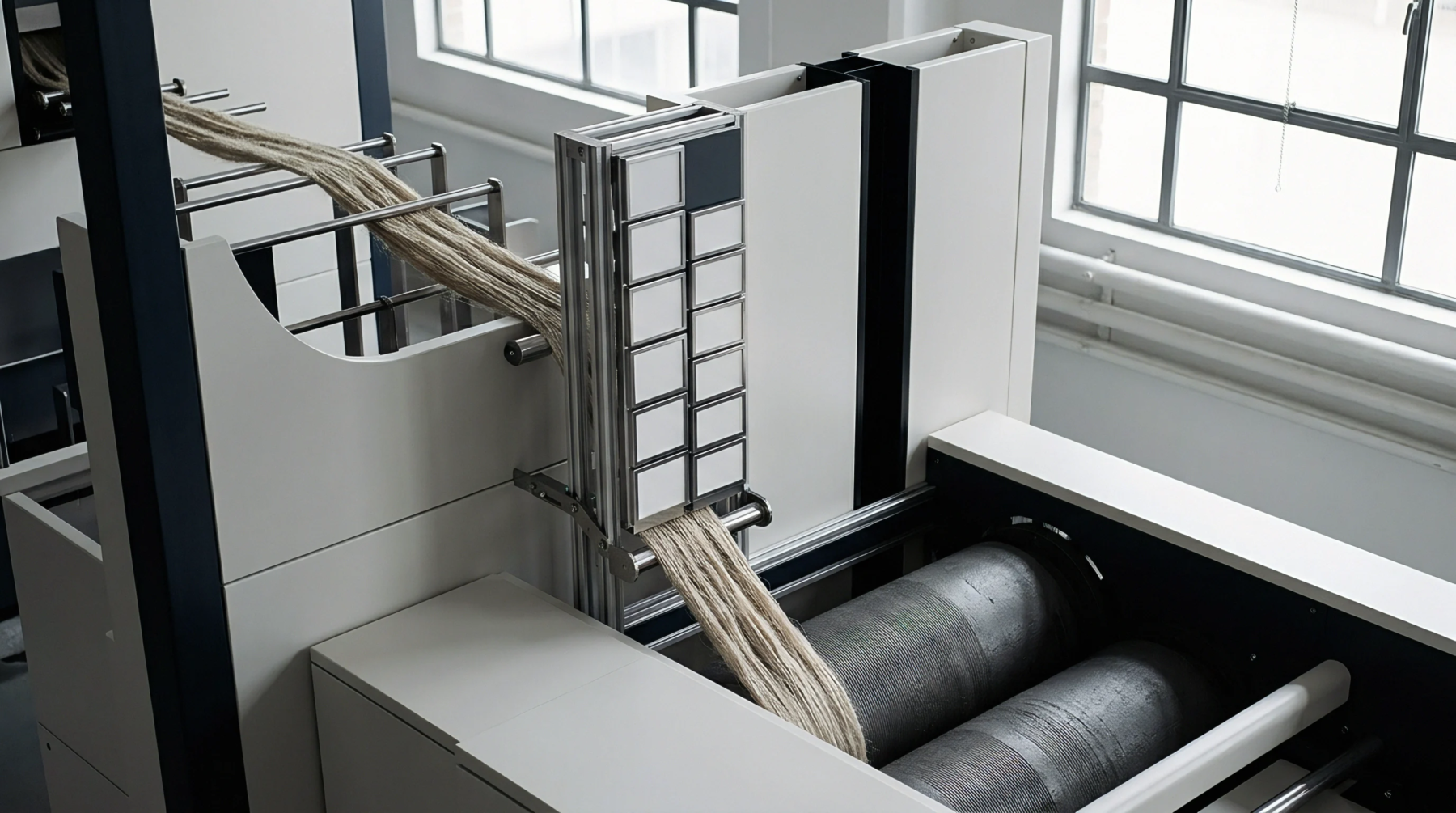
Linear density variations in spun flax yarns demand specific calibration adjustments during the drafting phase to stabilize mass per unit length before the material reaches the wet spinning frame. Roving Tex Correction supplies the quantitative baseline for drafting zone roller weighting adjustments inside Jiangsu spinning mills when wet processing high count linen yarns. Mill floor supervisors enter the measured linear mass deviation into the central monitoring log, which automatically calculates draft ratio compensation percentages for the final drawing passage.
Fibre grades derived from retted dew flax display natural irregularity that requires continuous monitoring rather than static machine settings. Drafting mechanics operate through differential roller speeds, where front cylinder velocity exceeds back cylinder speed according to the calculated draft constant. Overlooking mass fluctuations in the intermediate sliver leads to uneven filament drawing, which causes visible thick and thin spots in the finished yarn.
Wet spinning parameters demand tighter tolerances than dry spinning systems because moisture swells the pectin binders holding elementary flax fibres together. Operators record these adjustments in the daily production register alongside relative humidity values measured on the wet spinning floor.
Control Protocol
Production protocols govern how spinning technicians apply the corrective factor during shifts without halting continuous line operations. The calibration document specifies that roving tex correction values must stay within plus or minus two percent of the nominal target before drafting zone clearance is granted. Buyer acceptance criteria for export grade linen fabric strictly limit yarn linear density variation to prevent dye uptake streaks in final piece-dyed garments.
Mill internal standards often permit wider tolerances for utility grade textiles intended for industrial canvas production. Technicians compare laboratory reel wrap test results against the baseline specification stored in the mill database. Adjustments occur through micro movements of the weighting arm pressure regulators on the drafting rollers.
Machine operators verify that roving density meters transmit accurate signals to the main drive inverter before authorizing high speed spinning runs. Continuous sensing prevents cumulative drafting errors from propagating through subsequent twisting and bobbin winding stages.
Quality Verification
Final verification relies on destructive laboratory testing of sampled yarn bobbins taken directly from the spinning frame delivery output. Technicians determine linear density by weighing conditioned skeins on analytical balances in a controlled testing atmosphere. The resulting mass per unit length value validates the effectiveness of the initial roving correction protocol applied hours earlier on the production floor.
Variations exceeding standard deviation limits trigger an immediate audit of the roving frame creel tension devices. Documented inspection reports accompany each export shipment to satisfy international buyer quality assurance requirements for fine linen fabrics.