Mechanical Mechanism
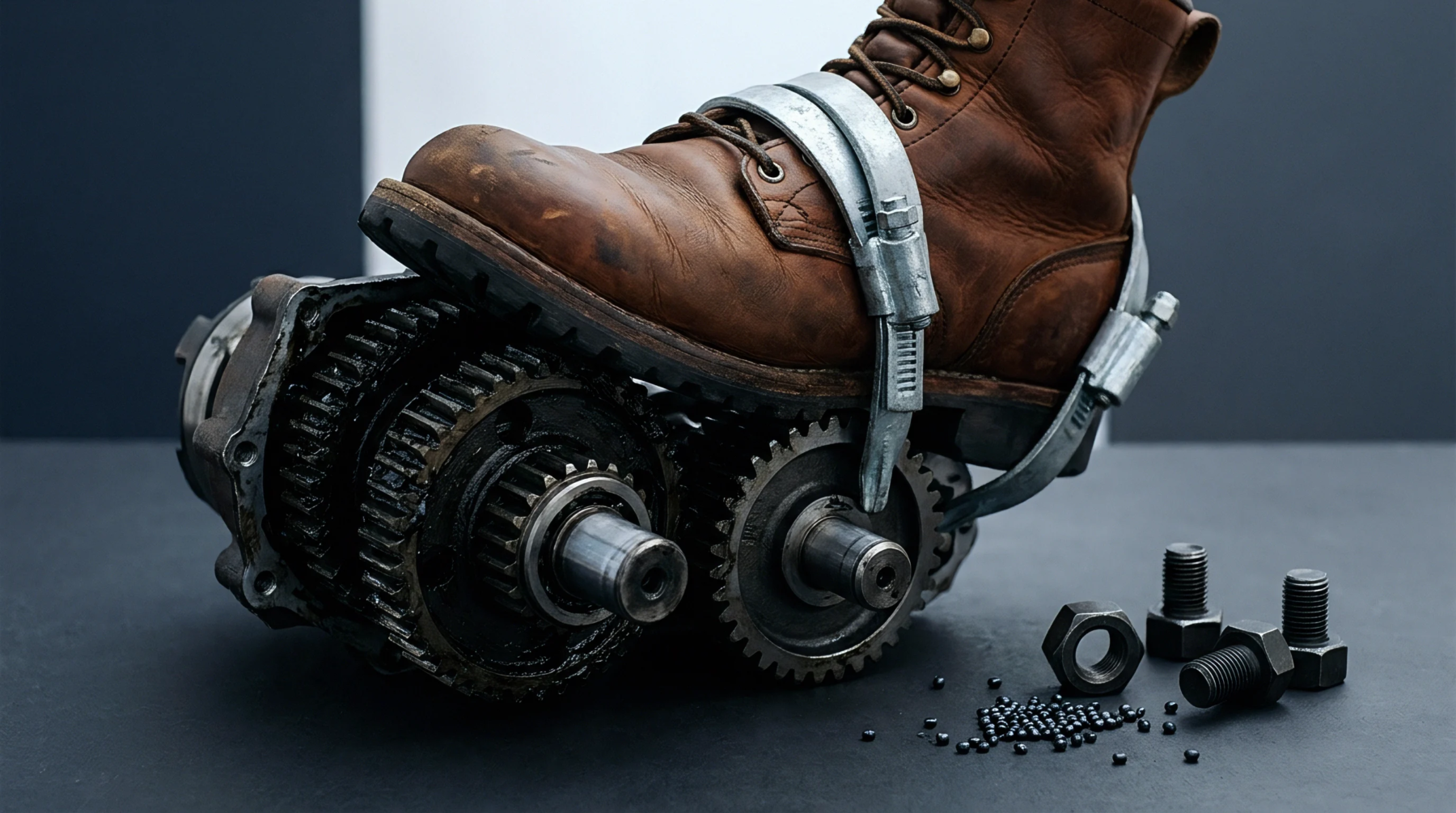
Yarn transport systems in modern textile machinery secure the horizontal yarn with a mechanical gripper to carry it across the shed during cloth formation. In linen manufacturing, positive filling insertion ensures that the thick, uneven flax yarn is physically held by the rapier or projectile throughout the entire insertion cycle. This mechanical control prevents the yarn from slipping out during high-speed operation, which is a common failure with passive systems.
Reliable control of the yarn is necessary to prevent structural defects in heavy linen fabrics.
Kinematic Operation
A mechanical gripper head opens automatically at the edge of the loom to clasp the weft yarn before moving into the shed. At the center of the machine, this gripper meets a receiving gripper and transfers the yarn directly from one head to the other with positive mechanical locking. This precise handoff occurs in less than a fraction of a second at high speeds.
Once the yarn reaches the opposite side, the gripper opens to release the yarn before the reed beats it into the cloth.
Performance Outcome
Mill operators choose this mechanism when processing irregular linen yarns because it reduces pick failures and machine stoppages. This increases the overall efficiency of the textile mill. Higher productivity leads to lower manufacturing costs per meter.