Fiber Integrity
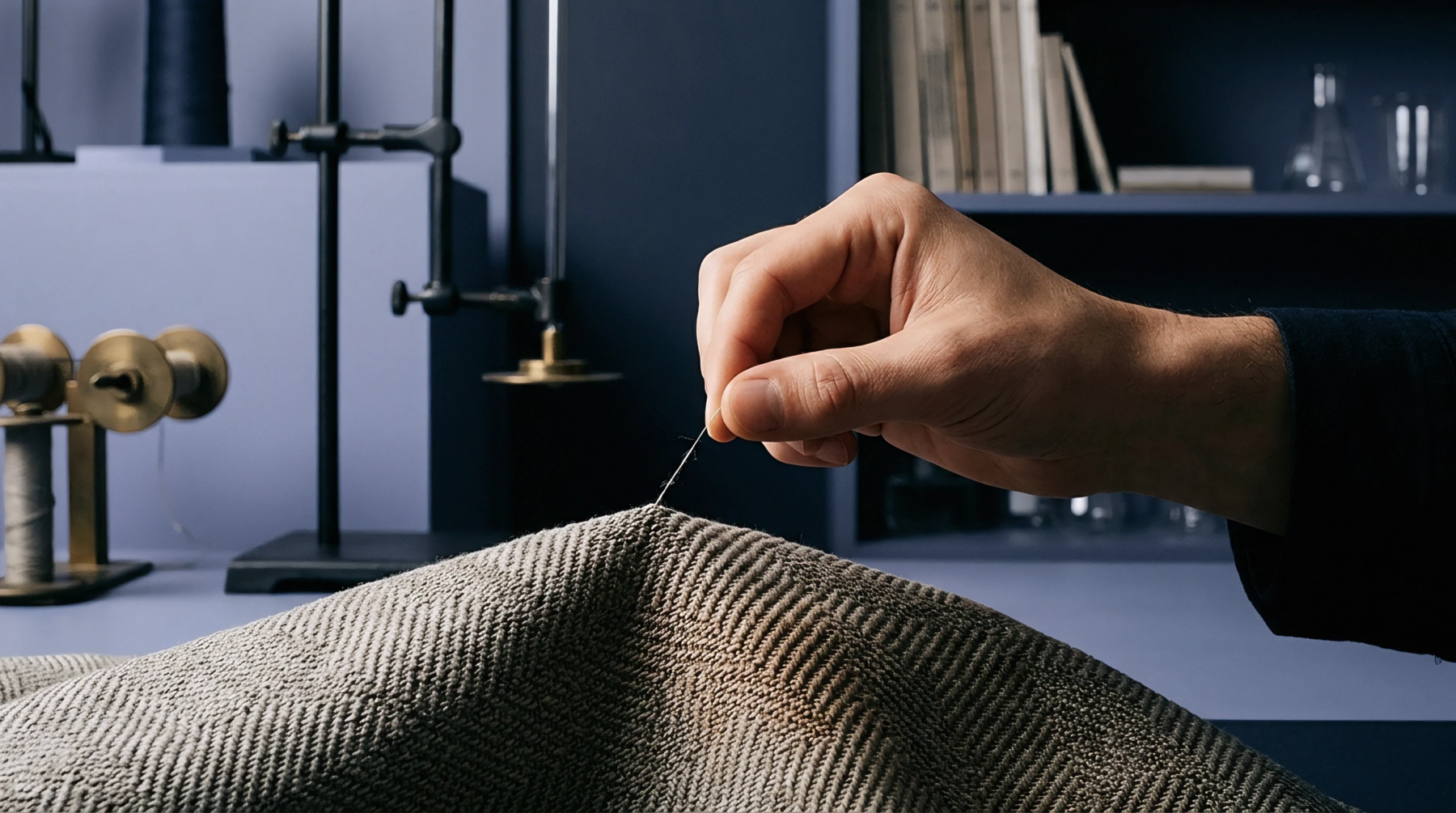
Raw flax stock entering the Chinese mill undergoes mechanical testing where pneumatic glass sandwich describes the specific multi-layer pneumatic apparatus used to clamp and tension delicate fibre slivers without crushing their natural hollow lumens. Mill engineers apply this device during high-speed drafting operations to prevent the premature breakage of long line flax fibres before they reach the spinning frames. Internal pressure sensors regulate the clamping force automatically based on ambient humidity readings taken inside the preparation hall.
Tension Limits
Operating parameters for the mechanism require strict calibration to prevent excessive surface friction from abrading the outer pectin layers of the plant stems. Technicians record these pressure thresholds within the daily production ledger alongside lot numbers supplied by the regional flax growers. Fibre grades possessing higher moisture content demand lower pneumatic resistance during the sandwich phase to avoid fibre fusion or tearing along the natural node points.
Export Quality
Final inspection teams evaluate finished woven linen bolts against buyer acceptance criteria rather than relying on the mill internal grading sheets used during initial processing. Certified testing houses measure tensile strength and tear resistance across random samples drawn from each finished shipping container. Passing these external evaluations secures the export certificate required for international textile commerce without exception.