Pressure Configuration
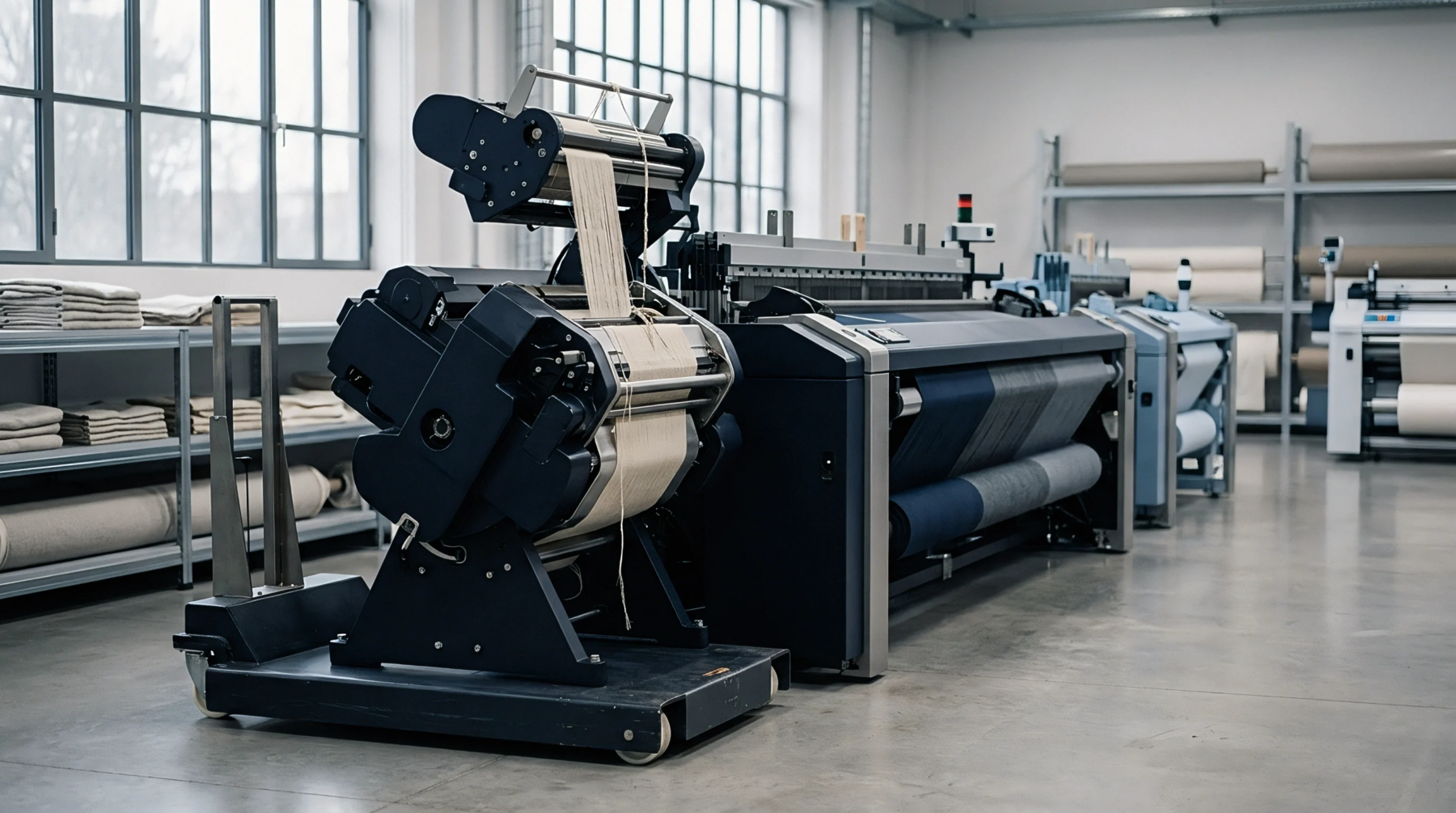
Kinetic energy transfer within air-jet looms relies on the force exerted by compressed air to propel the weft yarn through the warp shed. The pick insertion air pressure governs the velocity and timing of this propulsion phase to ensure the yarn reaches the opposite side of the machine without breakage or looping. This parameter requires adjustment according to the denier of the yarn and the density of the fabric being constructed during the weaving process.
Excess force leads to yarn abrasion against the reed teeth, while insufficient air flow results in short picks or slack edges that trigger automatic machine stoppage.
Maintenance Requirement
Regular calibration of these pneumatic inputs remains essential for consistent performance across different fabric grades. Technicians verify the setting against the specific requirements stated in the technical specifications for each yarn type and weave pattern. Minor deviations from the setpoint produce visible variations in the textile finish that the mill quality control team identifies during the post-weaving inspection.
Operators adjust the pressure valves to correct shifts caused by changes in ambient humidity or compressor output throughout the production day. Changes to these settings are recorded in the machine log to maintain an accurate history of the settings used for every fabric lot.
Quality Impact
High tension levels during the insertion of the weft increase the likelihood of structural fatigue in delicate linen fibres. Uniformity in the force applied at each nozzle prevents streakiness in the finished cloth caused by inconsistent warp spacing. This setting determines the capacity of the loom to handle complex weave designs where multiple channels of air manage the yarn path.
Stable airflow across the entire width of the loom provides the necessary condition for producing cloth that meets the strict export criteria for weight and structural regularity.