Chemical Fiber Separation
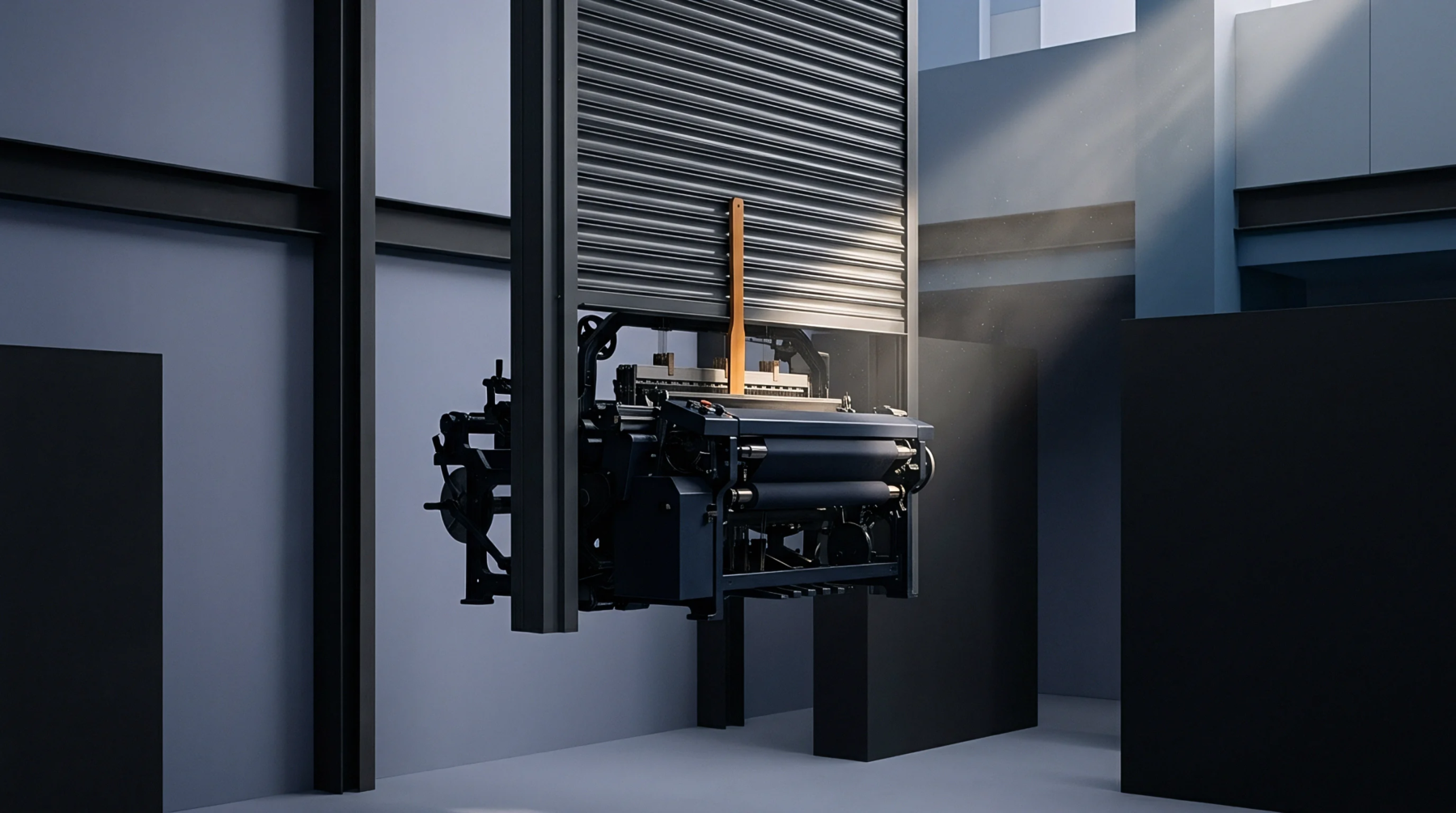
Extraction method utilizing hot water and chemical additives dissolves the natural gummy pectins that hold flax fiber bundles together. In the wet spinning of linen yarns, pectic trough extraction occurs directly on the spinning frame to facilitate the drawing of fine, individual fibers. This step separates the collective bundle into fine technical fibers that can be drafted easily.
Proper removal of these adhesive gums is the key to spinning high-count yarns of high uniformity.
Thermal Wet Processing
Flax roving strands pass through a trough filled with heated water maintained at a temperature between sixty and seventy degrees Celsius. Chemical softeners or mild alkalis are added to the water to accelerate the breakdown of the insoluble calcium pectate. This treatment softens the cellular glue without degrading the cellulose fiber structure itself.
The tension applied by the rollers draws the softened strands, allowing the fibers to slide past each other smoothly. To prevent the accumulation of dissolved gums, the bath is constantly replenished with fresh heated water. This continuous flow prevents re-deposition of loose pectins onto the drafting rollers which would otherwise cause lapping and fiber buildup.
Spinning Runnability Influence
Incomplete dissolution of the gums results in a stiff roving that resists drafting, leading to yarn irregularities and frequent breaks on the frame. If the extraction is too aggressive, the fibers lose their cohesive friction, causing the drawn strand to drift apart before twist can be inserted. Fine-tuning the water temperature and chemical concentration ensures the balance between fiber separation and strand integrity is maintained.
Spun yarns are thus stronger and display fewer thick or thin places.