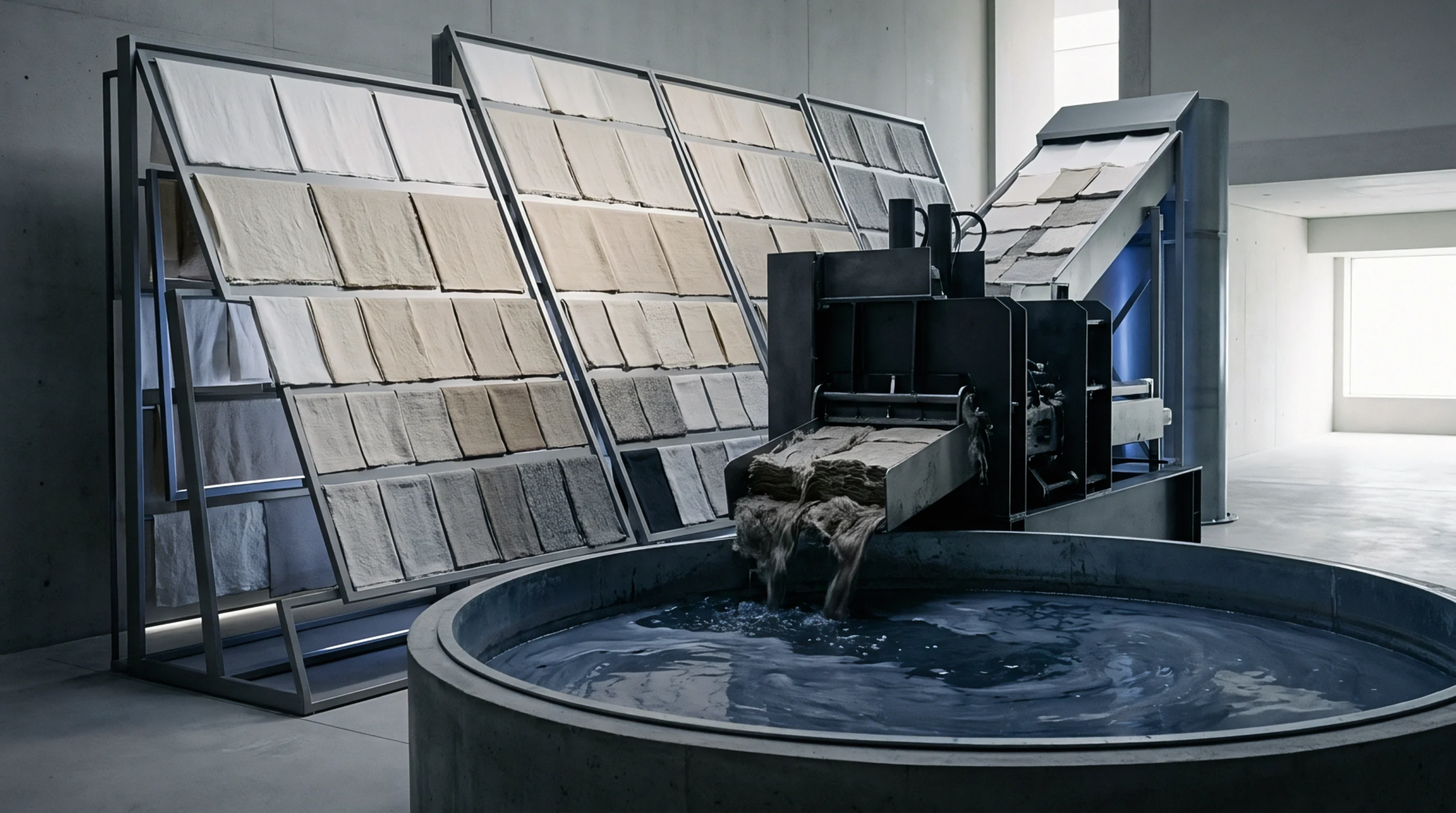
Process Mechanism
Reduction of non-cellulosic constituents occurs during the chemical and mechanical processing of raw flax into high-purity linen yarns. This non cellulosic fiber loss includes the removal of pectin, lignin, hemicellulose, and natural waxes during scouring, bleaching, and boiling processes. Flax fibers naturally contain a high percentage of these non-cellulosic elements, which bind the individual cellulose fibers together.
Removing a controlled portion of these substances is necessary to achieve the desired softness, flexibility, and absorbency in the finished linen fabric.
Yarn Performance
Yarn flexibility and spinning efficiency depend directly on the extent to which these non-cellulosic components are extracted from the fiber bundles. If too little material is removed, the yarn remains stiff and difficult to weave. Excessive loss of these binding materials can weaken the yarn structure, as the individual cellulose fibers lose their cohesion.
Finishing Correlation
Monitoring the chemical baths and mechanical processing stages ensures that the purification of the fibers remains within the specified tolerances for each yarn grade. When non cellulosic fiber loss is kept at the optimal level, the resulting yarn exhibits a uniform affinity for dyes and finishing chemicals. This prevention of uneven dye uptake is particularly important for high-end apparel fabrics that require consistent color depth and brightness.
The chemical concentration, treatment duration, and water temperature are adjusted dynamically based on the initial composition of the raw flax shipment to ensure a balanced extraction process. Testing is performed after scouring to verify that the residual wax and lignin levels meet the buyer’s quality standards.