Interface Adhesion
Surface energy analysis determines the compatibility between flax fibres and resin matrices during the fabrication of composite materials. A microdroplet test evaluates the shear strength at the junction where a single filament meets a bead of resin. This physical measurement quantifies the degree of mechanical interlocking between the plant tissue and the polymer binding agent.
Bonding Mechanics
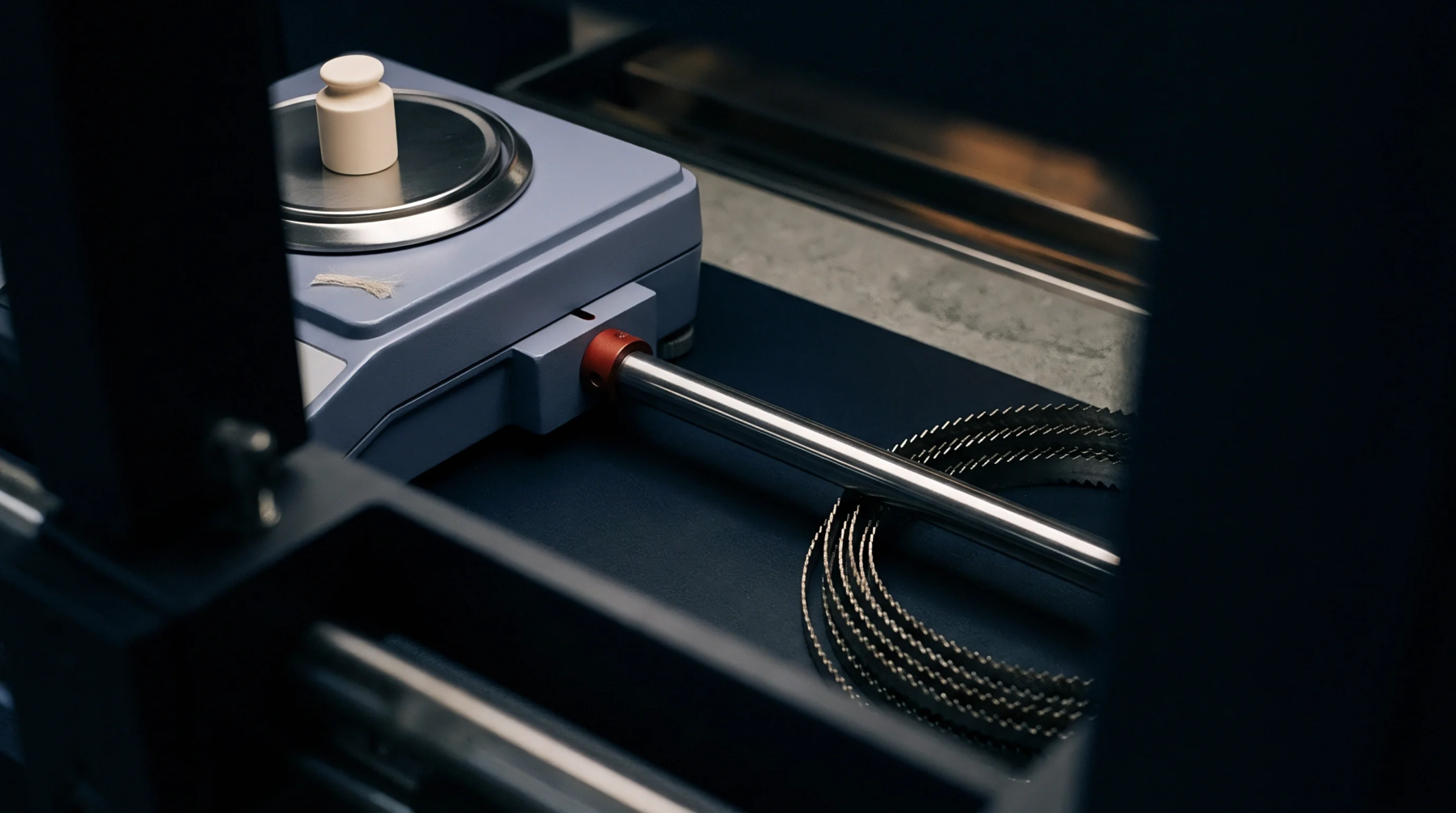
The experimental setup requires the suspension of a resin droplet on a thin flax filament with a diameter measured in micrometres. Researchers apply a tensile force to the fibre until the droplet detaches from the surface. A recording device logs the precise force at the point of failure to calculate the interfacial shear strength.
Variations in fibre treatment or chemical sizing alter the resulting bond capacity. Higher values indicate a stronger coupling that prevents delamination under load. Mechanical performance of the finished linen composite depends on this bond strength to transfer stress effectively across the boundary of the two materials.
Production Constraints
Quality control protocols in advanced composite manufacturing rely on this testing method to validate incoming fibre lots before large scale production begins. Results from these measurements often appear in the technical specifications shared between the raw material supplier and the aerospace or automotive buyer. Acceptance criteria depend on the minimum shear threshold defined by the intended application of the component.
Fibre lots failing the established minimum threshold require additional surface modifications or cleaning cycles to improve chemical compatibility. The consistent application of this technique provides the primary mechanism for predicting the durability of fibre reinforced structures over extended operational lifespans.