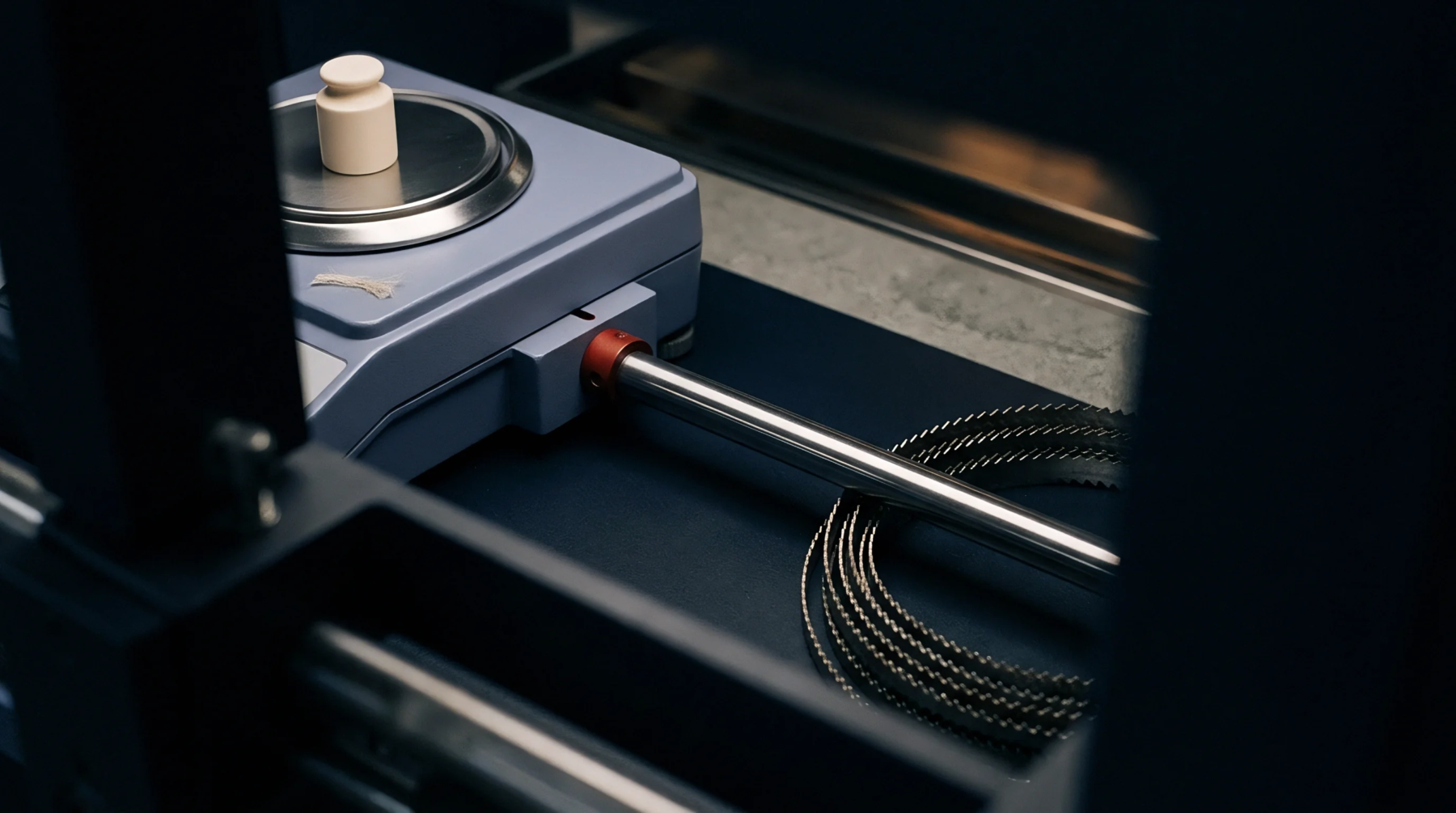
Mass Determination Validation
The accuracy of gravimetric measurements in high-precision textile laboratory environments relies on the routine verification of weight sensitivity against certified reference standards. Periodic microbalance calibration determines whether the displacement of the internal mechanism remains within the tolerance specified for the measurement of flax fibre moisture regain and mass per unit area. Technicians apply known mass values that trace back to international standards to confirm that the electronic readings align with the physical load.
Discrepancies between the applied mass and the displayed output trigger adjustments to the gain factors within the instrument firmware to eliminate drift. If the error exceeds the permissible threshold, the device requires full service before it records further data on fibre denier or yarn counts. This procedure defines the functional boundary of acceptable measurement uncertainty in the production cycle.
Protocol Traceability
Records of these verification events reside in the quality management system for the mill to ensure compliance during audits of export products. Each entry tracks the unique identifier of the reference weights, the ambient temperature during the test, and the observed deviation from the target value. The internal document distinguishes between an operational adjustment performed by staff and a full certification performed by external laboratories.
Mill owners utilize these logs to verify that the raw flax fibre batches meet the specific weight grades required by downstream buyers in the weaving phase. Consistent documentation of this state creates a clear history for insurance claims regarding damaged or degraded inventory. Failure to maintain such records nullifies the credibility of any mass report presented to international customs authorities or clients.
Operational Sensitivity
Precise measurements at this stage prevent cumulative errors that propagate through spinning and finishing processes when raw fibre moves toward final cloth production. Small deviations in initial weight readings distort the calculated ratio of resin to fibre in composite materials or the estimated pick count in woven fabrics. The sensitivity of these instruments changes with humidity, vibration, and air drafts within the laboratory.
Stable results only occur when the environment remains constant throughout the assessment period. Standardized verification confirms that the device retains the necessary precision to detect microscopic changes in mass. Any drift in performance indicates a loss of data integrity for the entire manufacturing line.