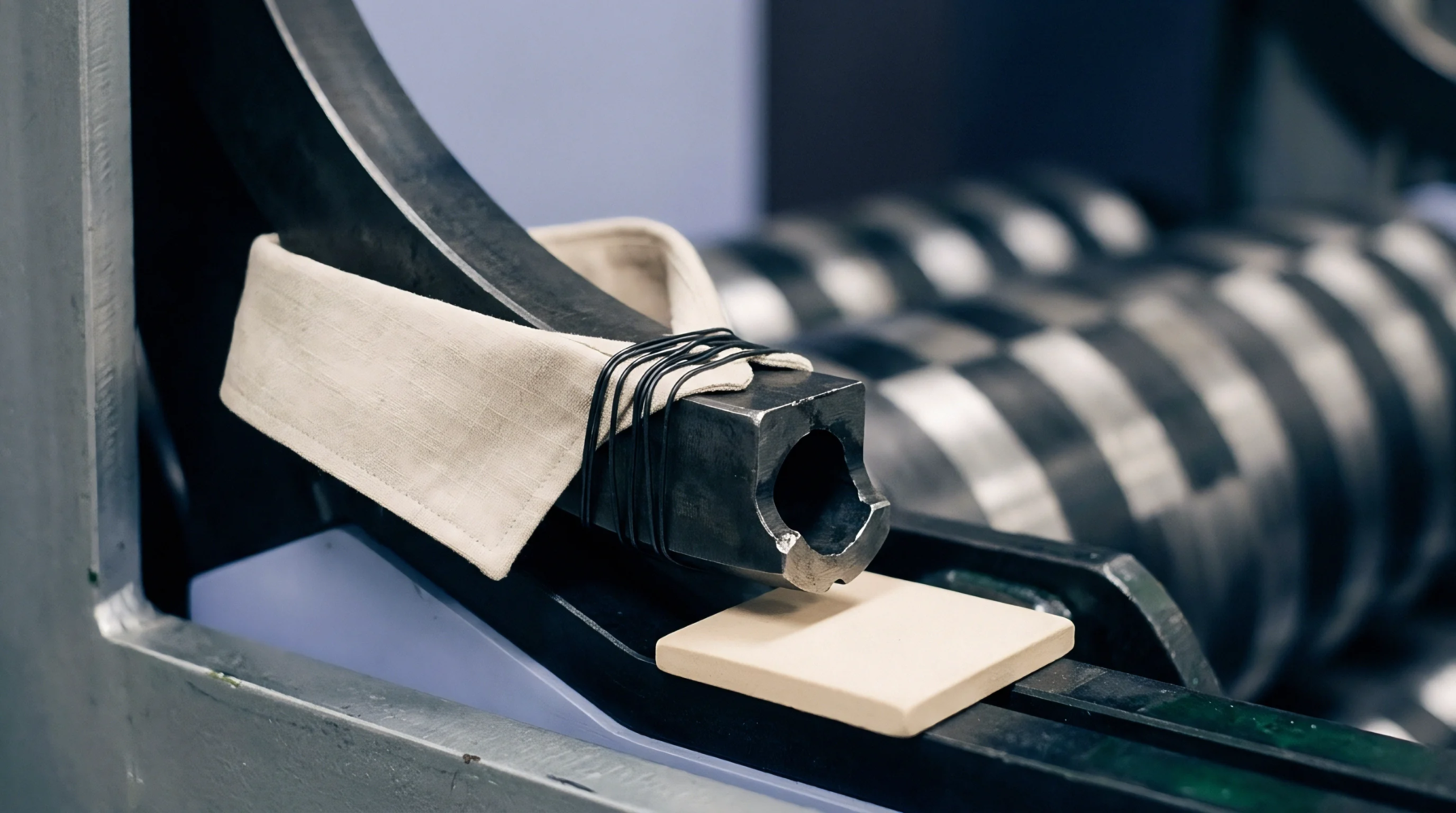
Fibre Opening
Plant cells undergo mechanical disruption during preliminary wet processing within regional Chinese spinning facilities to liberate cellulose structural units from pectin binders. Micro fibril splitting occurs inside chemical retting baths when alkaline liquor penetrates intercellular lamellae to peel back outer walls. Plant technicians record the resulting degree of separation on internal mill dockets before baling dry material for carding machines.
Cellulose bundles fracture lengthwise rather than snapping transversely when subjected to controlled wet drafting pressures inside modern digestion vats. Hydroxide ions attack hemicellulose matrices to separate microscopic strands without damaging internal crystalline regions. Quality auditors measure separation parameters against buyer specifications using microscopic image analysis on prepared slide mounts.
Mill supervisors enforce strict limits on reagent concentration to prevent excessive degradation of target polymer chains during prolonged treatment cycles.
Drafting Control
Subsequent carding lines transform loosened slivers into uniform ribbons suitable for high speed ring frames. Micro fibril splitting dictates the maximum drawing velocity achievable on wet spinning machinery without causing frequent filament breakage. Operators adjust roller weightings based on daily laboratory reports issued by the central testing department.
Yarn tensile strength increases proportionally as individual strands disengage further within the drafting zone. Higher separation rates permit finer counts in traditional weaving workshops without sacrificing breaking load properties.
Commercial Yield
Finished yarn parcels receive final classification according to international standards before leaving the warehouse for overseas apparel brands. Micro fibril splitting directly influences the hand feel and drape characteristics of woven linen fabrics destined for export markets. Export certificates document the verified mechanical properties alongside moisture regain percentages to satisfy overseas statutory requirements.
Final pricing tiers reflect the uniformity of internal strand separation achieved during preliminary chemical treatments. Buyer acceptance criteria remain distinct from internal factory tolerances because retail standards demand higher tear resistance values on finished garments.