Tensile Specification
During the preliminary hackling process, low extension bast fiber governs the maximum tolerable tension across the drawing frames without causing premature filament rupture. Technicians record this structural limit within the batch quality passport accompanying each pallet to direct subsequent drafting operations. Drawing frames apply mechanical pulling force to align the parallel elementary filaments inside slivers, but failure occurs immediately if the natural elongation threshold is crossed.
This boundary separates acceptable industrial spinning stock from substandard agricultural yield destined for coarse twine production rather than fine apparel yarns.
Weaving Threshold
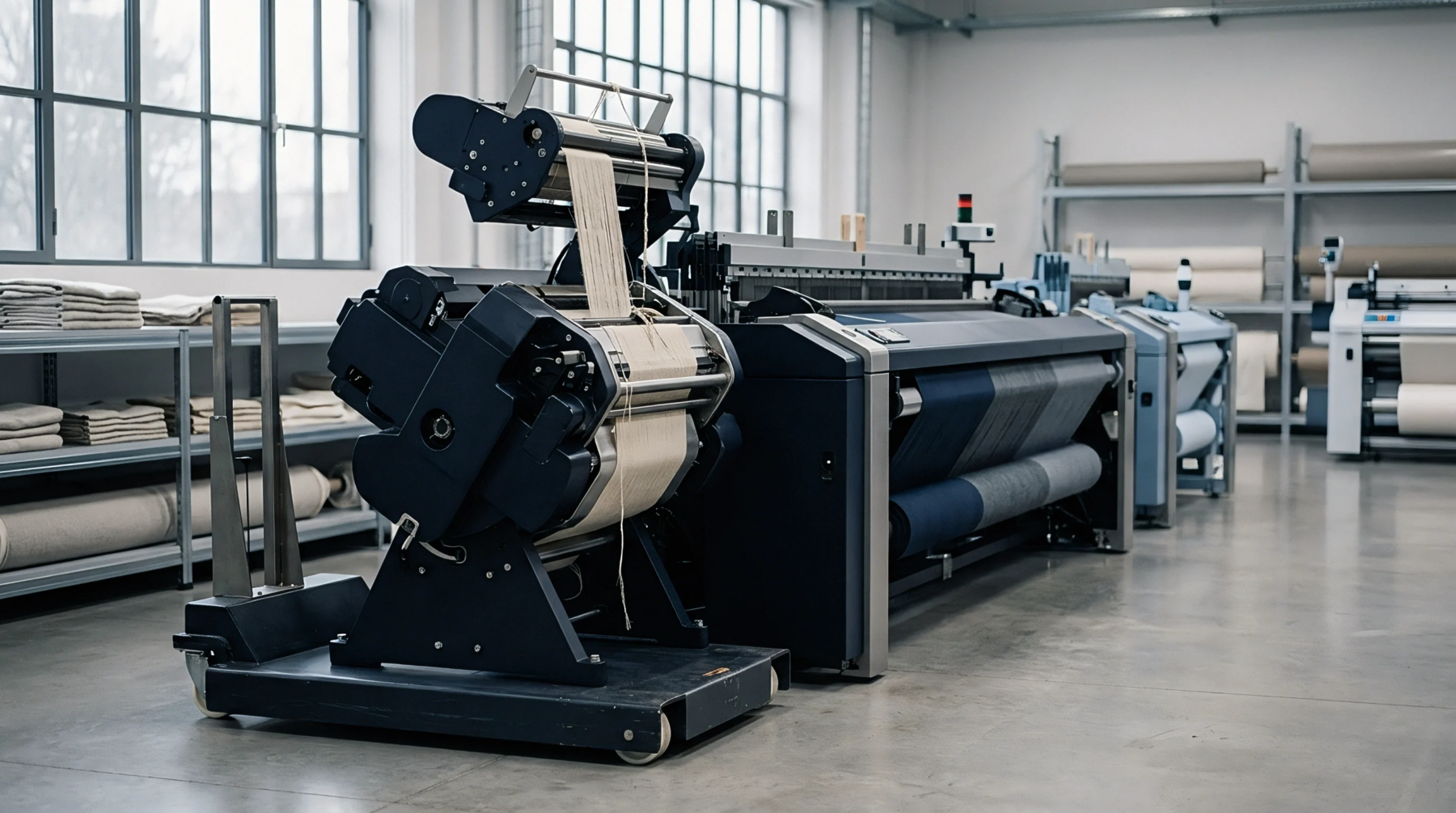
Once yarn leaves the wet spinning room for the loom beams, low extension bast fiber dictates the permissible warp tension required during high-speed shed opening. Weaving mills establish internal factory tolerances that remain much stricter than general buyer acceptance criteria to minimize warp breakage on automatic looms. Loom operators monitor tension sensors constantly because inadequate elasticity causes warp threads to snap under the rapid cycling of the harness frames.
Fabric grades depend directly on yarn uniformity achieved during this stage, distinguishing standard utility sheeting from luxury linen cloth intended for export markets.
Finishing Protocol
Alkaline scouring and subsequent bleaching treatments alter the physical properties of low extension bast fiber before the final calendering presses apply high pressure to smooth the cloth surface. Finished linen rolls receive an official export grade in the final inspection warehouse, verifying that the fabric withstands garment construction stresses without splitting along the warp lines. Commercial trade agreements rely upon these documented test outcomes to resolve disputes between mill producers and international buyers regarding structural durability.