Dynamic Velocity Ratio
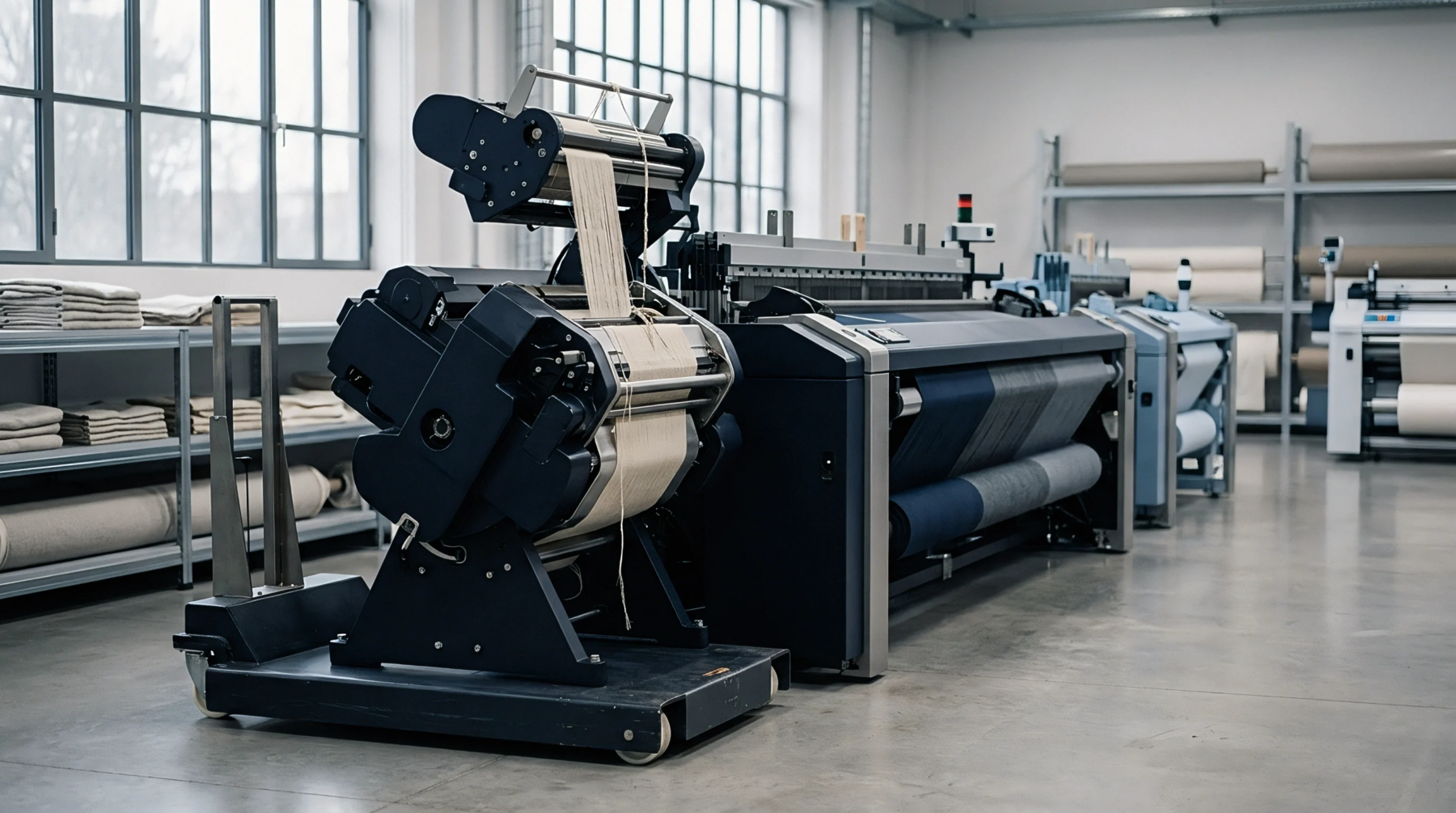
Performance measurements in high-output linen textile weaving quantify the proportion of actual pick insertion cycles against the theoretical maximum output of the machinery. Loom speed modulation efficiency determines the stability of the rapier or air-jet drive throughout the full width of the reed space. This metric accounts for deceleration intervals necessitated by specific yarn tensile strengths that occur during shed transition.
Engineering staff monitor these ratios within the mill floor production log to ensure that the mechanical throughput aligns with the warp density specifications. The calculation involves the ratio of the effective cycle frequency to the baseline motor frequency over a defined operational window. If the drive electronics struggle to maintain torque during the shedding of coarse flax fibre, the value drops to signal an impending mechanical mismatch.
Frequent fluctuations indicate that the drive system lacks the necessary responsiveness for high-speed operation on uneven yarn surfaces.
Process Control Parameter
Proper calibration of the drive motor ensures that the output remains within the tolerance defined by the technical document provided by the machine builder. Operators adjust the modulation curves to reduce stress on the warp ends during the beat-up phase of the cycle. Uniform acceleration profiles prevent the occurrence of uneven tension across the fabric width.
A secondary effect of high performance involves the reduction of electricity consumption during the return stroke of the rapier. Fine linen requires a lower peak acceleration to avoid fibre rupture during the insertion process. Technical teams set these parameters based on the specific count of the flax yarn.
Accurate data entry into the central control software prevents the machine from operating outside of its thermal limits. Constant monitoring allows the system to adjust the drive frequency in response to variations in yarn friction.
Calibration Boundary Metric
Mill managers verify this value to confirm that the finished linen product meets the quality standards required by international buyers for export. Fabrics failing to reach the established threshold often display defects such as irregular pick spacing or tension bars. Measurements taken during the final inspection reconcile the raw output data with the physical characteristics of the woven length.
Any deviation suggests a failure to maintain consistent timing during the weaving cycle. Such variances indicate that the mechanical system operates at a suboptimal state for the current fibre grade. High precision in this area remains the primary determinant of the final fabric yield.