Capacity Assignment
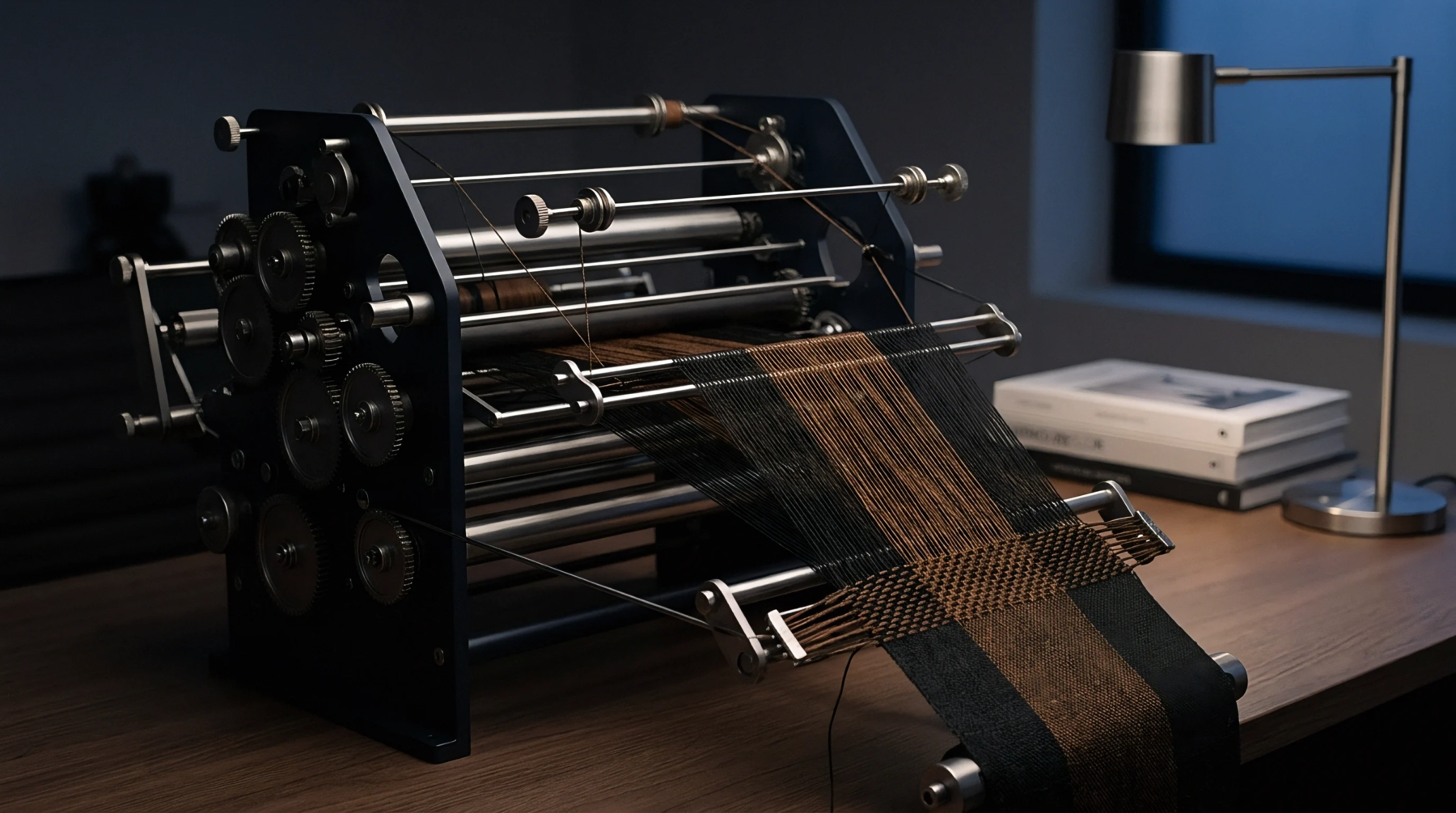
Manufacturing management frameworks in weaving plants assign specific fabric qualities and warp orders to suitable weaving machines based on reed width, insertion mechanism and shedding capability. Effective loom allocation balances production schedules against machine mechanical constraints to optimize output across high-speed rapier, air-jet or shuttle looms. Assigning fine, wet-spun linen warps to flexible rapier looms reduces yarn abrasion during shed opening compared to rigid insertion systems.
Planning systems evaluate frame stiffness, let-off sensitivity and take-up precision when matching cloth specifications to available weaving capacity. The scope of this planning process covers weaveroom machinery assignment and stops at yarn preparation before warper beam mounting.
Operational Routing
Planning managers analyze order parameters including pick density and yarn count before issuing production routing sheets. Heavy damask or coarse cloth constructions require heavy-duty frame looms equipped with positive shedding motions, whereas light handkerchief fabrics utilize high-speed rapier machines. Clustering similar warp yarns onto adjacent loom banks reduces beam changeover frequency and standardizes humidity control requirements within specific weaveroom bays.
Production tracking software updates machine availability status continuously, allowing plant supervisors to reassign orders when mechanical downtime occurs.
Efficiency Impact
Incorrect assignment increases yarn breakage and extends machine idle time. Optimized machinery routing ensures consistent fabric quality while maximizing loom house throughput.