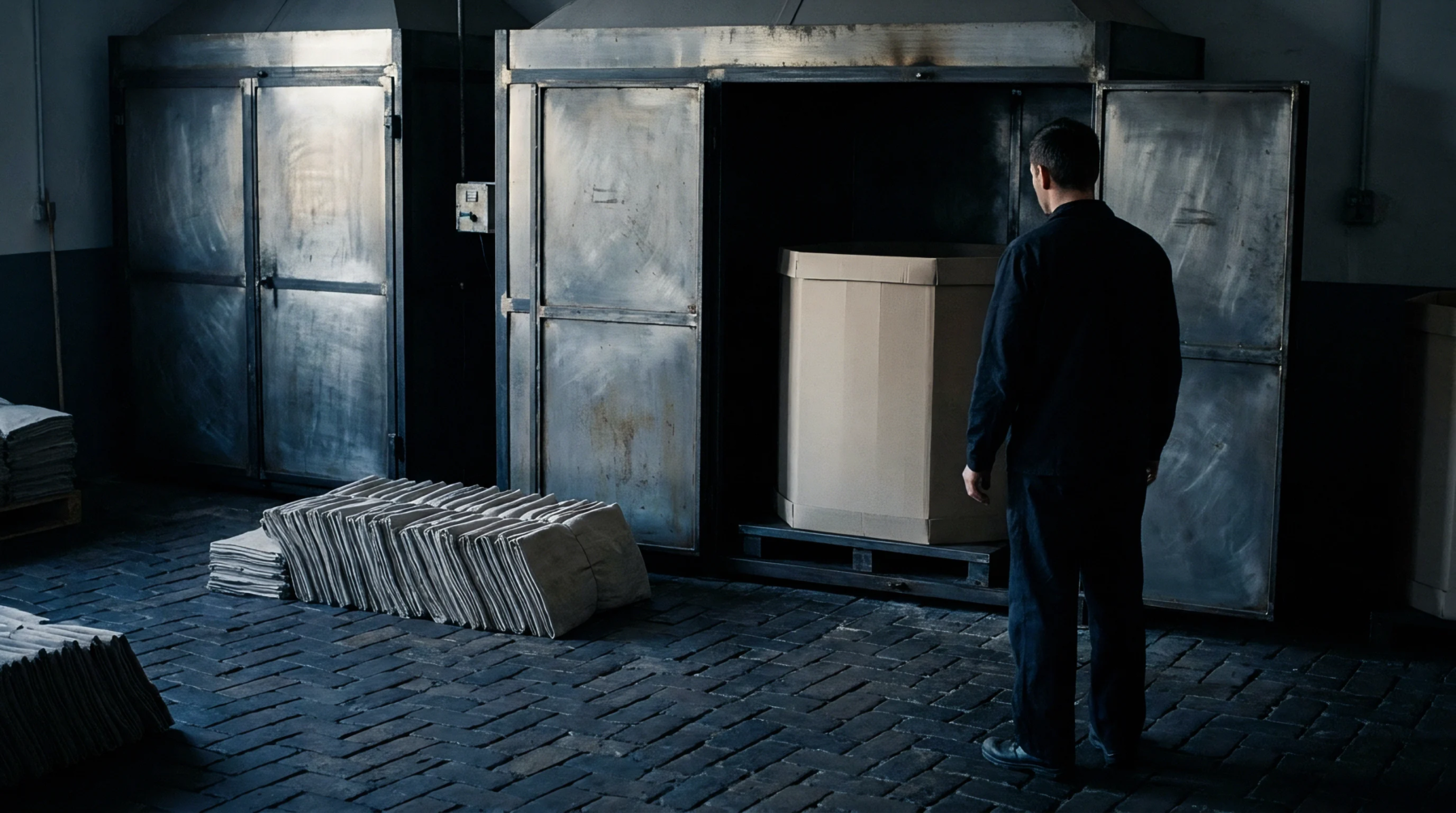
Airborne Recovery
Mechanical extraction of particulate matter from industrial airflow removes loose fibre fragments during the preparatory stages of spinning. This lint filtration captures airborne cellulose dust and short plant debris that exits the carding machines. Systems function by pulling heavy air through a series of fine mesh screens or rotary drums designed to trap solids while allowing air passage.
Cleanliness protocols require that these filters remain unobstructed to maintain suction pressure across the production line. Consistent air quality protects workers from respiratory irritation and prevents static electricity build-up on the machinery. A blockage at the primary screen forces a shutdown of the entire collection unit.
Removal Efficacy
Efficiency ratings measure the volume of recovered waste against the total mass of debris generated at the primary processing site. Operators verify the mass of the collected residue by weighing the accumulation against the predicted output from the carding cycle. Precise calibration of the airflow prevents excessive draw that might pull usable spinnable fibre into the waste hopper.
Mills distinguish between fine dust removal and the trapping of longer, reusable fibres during this phase. High recovery rates signify that the plant manages waste output effectively and meets the safety requirements set for indoor air quality within the facility. Failure to isolate these materials leads to a rapid degradation of machinery performance because dust clogs the bearings and sensor arrays.
Standard Compliance
Regulatory bodies demand documentation of the particle size reduction to ensure the working environment conforms to safety statutes. Inspection schedules dictate the frequency of screen cleaning and verify that no hazardous concentration of dust exists in the spinning hall. Buyers often include requirements for particulate control in their quality manuals to ensure the fabric remains free from embedded impurities.
Compliance requires the mill to log the weight of discarded lint from every batch. Every recorded mass provides proof that the production line operates under strictly controlled conditions. Consistent removal of environmental debris from the spinning area acts as a primary control for final textile purity.